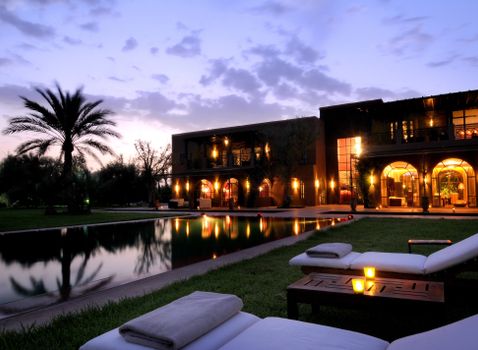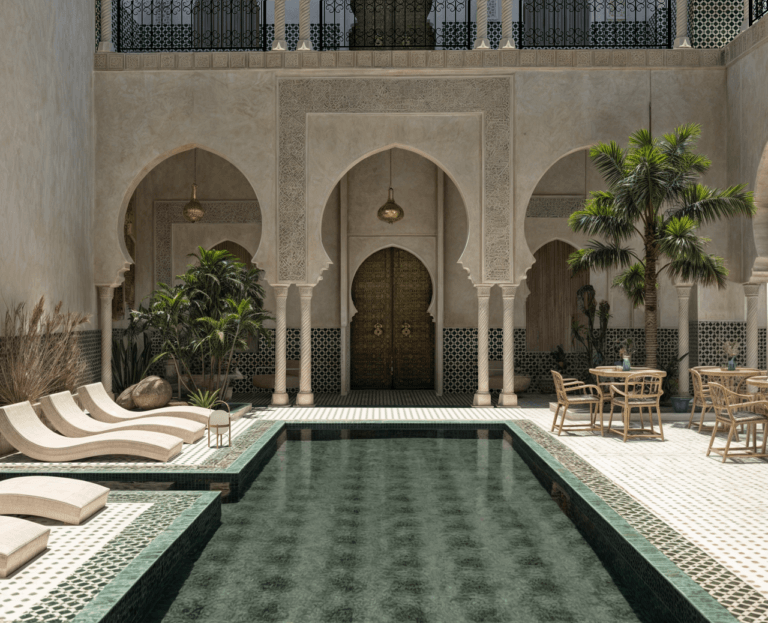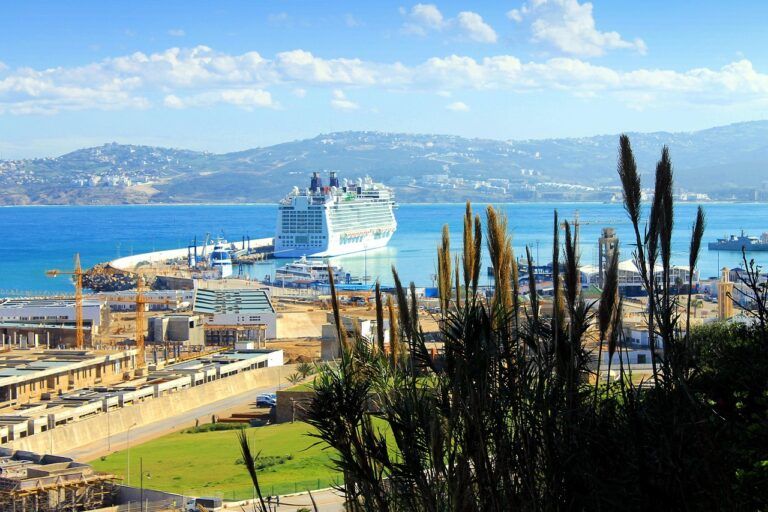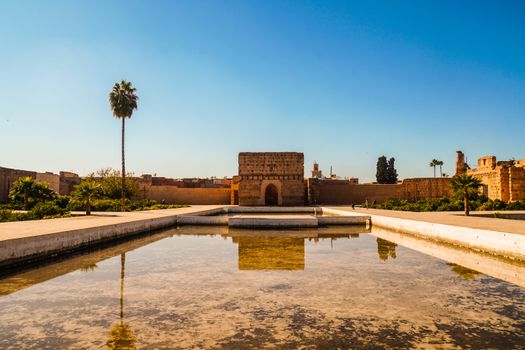

For most foreign buyers, Marrakech is the best overall place to buy property in Morocco in 2026.
It combines international demand, direct flights, an established rental market, a well established expat community, and relatively strong resale liquidity.
However, Marrakech is not automatically the right choice. Casablanca is stronger for conventional long term rentals, Tangier offers attractive growth potential, Rabat suits families and those seeking stability, Agadir is well suited to coastal living and retirement, Essaouira is a niche lifestyle market, while Fes offers a lower entry price but a more difficult resale market.
I have personally bought four apartments in Marrakech and dealt with property titles, notaries, international transfers, tenants, Airbnb, long term rentals, repairs, and resale issues. This ranking is designed to help you choose a market before an agent starts selling you whatever properties they have available.
Quick verdict: the 7 best places to buy property in Morocco
My overall winner is Marrakech. It offers a foreign buyer the broadest combination of personal use, tourism demand, international access, property choice, and resale potential.
My safest, most conventional investment choice is Casablanca. Its demand depends more on Moroccan professionals and businesses than on visitors.
My choice for growth is Tangier. But buyers need to be selective, as performance can vary significantly from one neighborhood to another.
| Rank | City | Best for | Indicative apartment price | Published gross yield* | Liquidity | Main risk |
|---|---|---|---|---|---|---|
| 1 | Marrakech | Best overall, lifestyle, short term rentals | 8,885 MAD/m², citywide benchmark | 8.25% | High in established areas | Overpaying, medina paperwork, seasonal assumptions |
| 2 | Casablanca | Long term rentals, professional demand | 12,503 MAD/m², citywide benchmark | 8.30% | High | Higher entry price and neighborhood selection |
| 3 | Tangier | Growth, industry, access to Europe | 8,028 MAD/m², citywide benchmark | 8.30% | Medium to high | Uneven property quality and speculative pricing |
| 4 | Rabat | Families, stability, long term living | 12,392 MAD/m², citywide benchmark | 6.92% | Medium to high | High entry price and more limited tourism potential |
| 5 | Agadir | Retirement, coastal living, winter stays | 6,857 MAD/m², citywide benchmark | 4.76% | Medium | Seasonality and large price differences between neighborhoods |
| 6 | Essaouira | Premium lifestyle and niche tourism | 6,487 MAD/m², citywide benchmark | Not consistently published | Lower | Small buyer pool and slower resale |
| 7 | Fes | Smaller budgets and character properties | 6,578 MAD/m², citywide benchmark | Not consistently published | Low | Complex medina titles and weak foreign demand |
*Gross yields are estimates based on asking sale prices and rents published for the first quarter of 2026. They exclude management, vacancy, repairs, taxes, furnishing, financing, and transaction costs. The same source indicates that net yields may be around 1.5 to 2 percentage points lower. Never buy based solely on an advertised yield.
How to read these figures: The price benchmarks above come from Agenz city pages updated in January 2026. They combine public information, listings, and transaction data supplied by partners. They are market indicators, not valuations of individual properties.
The rental figures come from Global Property Guide, which compares median asking rents with median purchase prices. Bank Al-Maghrib reported that Morocco’s housing price index fell by 3% quarter on quarter in the first quarter of 2026, while the number of residential transactions dropped by 38.4%. This is a reminder that a city can have good long term prospects while still offering room for negotiation in the current market.
What can a budget of MAD 1 million buy?
Based on the citywide apartment price benchmarks, a budget of MAD 1 million would theoretically buy the following floor areas, before taxes, notary fees, agency fees, renovation, furniture, and any neighborhood premium.
| City | Approximate floor area based on the city benchmark | What this means in practice |
|---|---|---|
| Marrakech | Around 113 m² | Usually less in Gueliz, Hivernage, Agdal, or a well managed residential development, but potentially more in outlying neighborhoods. |
| Casablanca | Around 80 m² | A premium central neighborhood can significantly reduce this floor area, while outlying family neighborhoods may offer more space. |
| Tangier | Around 125 m² | Waterfront properties, homes in Iberia, or new marina developments can cost considerably more than the city benchmark. |
| Rabat | Around 81 m² | Agdal, Hay Riad, and Souissi require a much larger budget than this citywide estimate suggests. |
| Agadir | Around 146 m² | Founty and the tourist district are considerably more expensive than the general city benchmark. |
| Essaouira | Around 154 m² | This calculation does not reflect the prices of scarce renovated medina houses or premium coastal residences. |
| Fes | Around 152 m² | A lower entry price does not automatically mean a better investment or an easier resale. |
Do not use city averages to value a property. A modern apartment with a registered title and parking, in an area with an active resale market, is not comparable to an untitled house, a medina property, an off plan home, or a remote apartment with weak rental demand.
Before negotiating, compare the property with genuinely similar homes and read my guide to negotiating property prices in Morocco.
The 7 best places to buy property in Morocco, ranked
1Marrakech: best overall for most foreign buyers
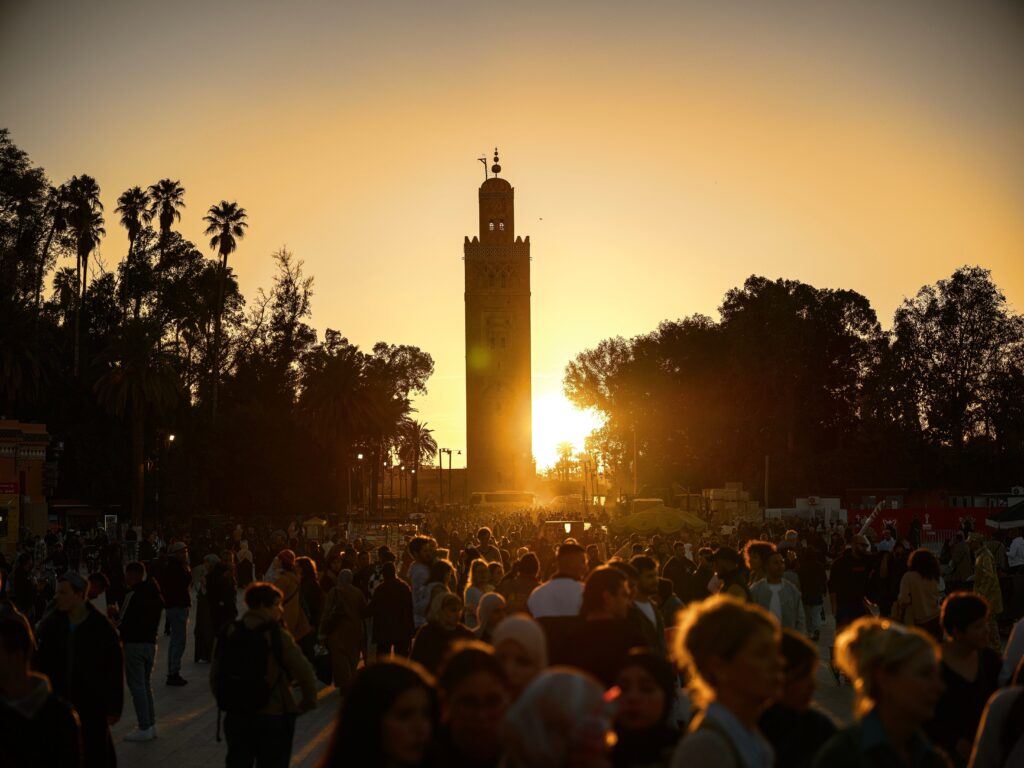 Best forLifestyle, short term rentals, second homes
Marrakech takes first place because it gives a foreign buyer several possible exit strategies.
You can live there, rent the property out long term, use it for part of the year, or operate it as a short term rental where the building, location, permits, and local rules allow.
International visitors already know Marrakech. The city has direct flights, established property managers, English and French speaking professionals, and a large community of foreign property owners.
The best neighborhoods depend on your strategy. Gueliz and Hivernage offer central locations and greater international recognition. Agdal suits resort style residences. Targa is better suited to families and villas. Izdihar and some areas along Route de Casablanca can offer a lower entry price, but building quality and the exact location remain essential.
Read the guide to the best neighborhoods in Marrakech for expats and foreign buyers. For short term rentals, compare the best neighborhoods in Marrakech for Airbnb investment before relying on a projected nightly rate.
The main danger: buyers often pay a foreign buyer premium because they compare the property with Europe rather than nearby Moroccan alternatives.
The medina is a separate market. A beautiful riad can become a complex project involving title, structural work, access, permits, and guesthouse licensing. Read the complete guide to buying a riad in Marrakech before treating it like an ordinary apartment.
Best practical purchase: a well located resale apartment with a registered title in a completed residential development, with up to date building management accounts, realistic service charges, and proven demand.

2Casablanca: best for stable long term rental demand
Casablanca is Morocco’s largest employment and business market.
Its rental demand depends less on international tourism than Marrakech or Agadir. Professionals, businesses, students, medical staff, and families create demand throughout the year at different price points.
This makes Casablanca attractive to buyers who prefer conventional long term rentals, furnished or unfurnished, over the daily management of travelers.
Premium neighborhoods such as Racine, Gauthier, Triangle d’Or, Ain Diab, and parts of Anfa can be expensive. Bourgogne, Maarif, Palmier, Beauséjour, CIL, and selected areas of Sidi Maarouf can suit different tenant profiles.
Use the detailed guide to the best areas to buy property in Casablanca to match the neighborhood to the type of tenant you are actually targeting.
The main danger: buying an expensive apartment because the neighborhood name sounds prestigious, without checking the achievable rent, parking, elevator quality, noise, building condition, and future competing developments.
Best practical purchase: a functional two bedroom apartment near employment hubs, transport, schools, or hospitals, with parking and in a building affordable to local professional tenants.
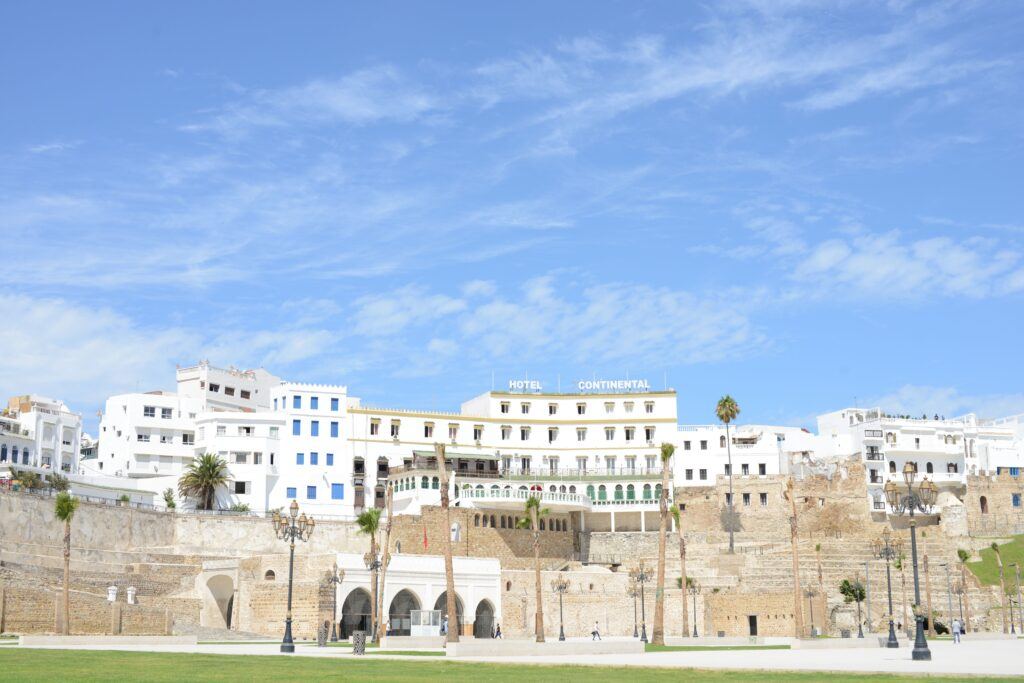
3Tangier: best growth potential and access to Europe
Tangier benefits from genuine economic drivers, not just a tourism story.
The port, industrial activity, manufacturing, rail connections, and geographical proximity to Spain have transformed the city’s profile.
Iberia, the beach district, Malabata, administrative districts, Marchan, and selected developments around the marina attract buyers with higher budgets. More affordable outlying neighborhoods can offer more space, but resale demand and finishing quality vary significantly.
Tangier suits a buyer who can hold the property for several years and values a cooler climate, ferry access, and a city connected to both Morocco and Europe.
The main danger: assuming that every new development benefits equally from the city’s growth. A poor quality building in a remote location can remain difficult to rent or resell even as Tangier continues to develop.
Best practical purchase: an apartment with a registered title in an established, walkable neighborhood, with parking and genuine local rental demand, rather than just a view promised in a developer’s brochure.
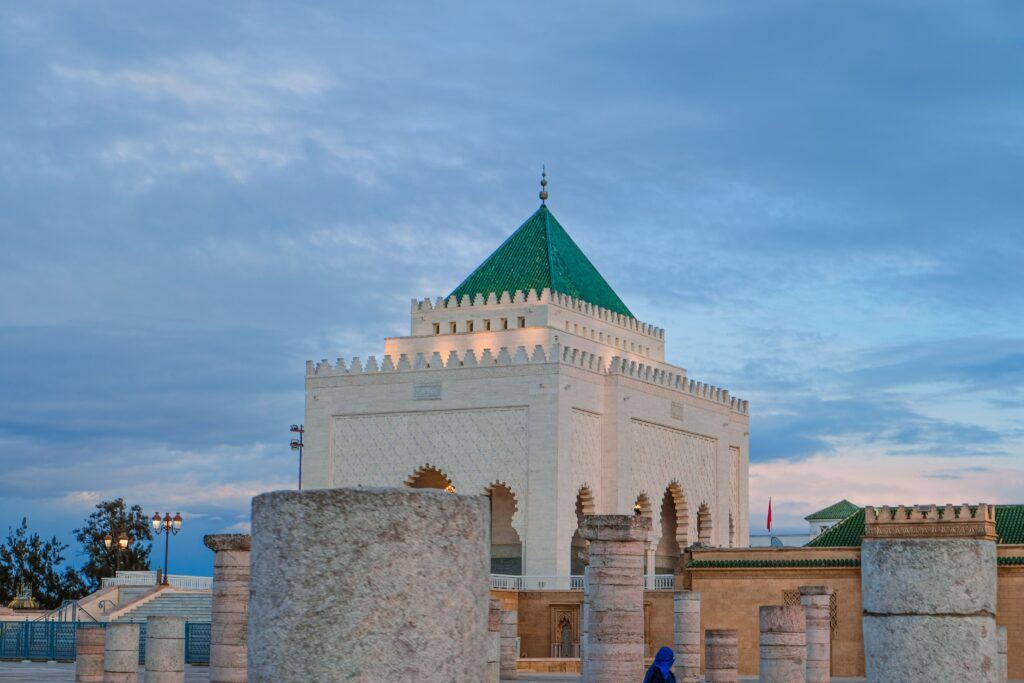
4Rabat: best for families, an orderly environment, and long term stability
Rabat is the city on this list I find easiest to recommend to a buyer whose priority is quality of life rather than maximizing tourism returns.
It offers government and embassy jobs, international schools, hospitals, coastal access, and a calmer environment than Casablanca.
Agdal, Hay Riad, Hassan, L’Océan, and selected areas around Souissi suit different budgets. The best family neighborhoods are not cheap, and the city average hides very large differences between neighborhoods.
Rabat can also work for furnished long term rentals aimed at diplomats, corporate executives, and families. However, the purchase price can reduce the yield.
The main danger: paying a premium for stability while assuming the property will generate tourism income comparable to Marrakech.
Best practical purchase: a quality apartment close to schools, offices, transport, or areas with diplomatic rental demand, bought with a long holding period in mind.

5Agadir: best for retirement, the beach, and winter sunshine
Agadir is a logical choice for buyers who prioritize climate, beach access, an easy city to live in, and a large community of European residents.
The general city benchmark is misleadingly low because neighborhoods popular with foreign buyers can be much more expensive. Agenz benchmarks from January 2026 put Founti above MAD 18,000 per square meter and the tourist district above MAD 20,000 per square meter.
Founty, Haut Founty, Talborjt, Ville Nouvelle, Hay Mohammadi, and selected recent residential developments cater to very different buyer profiles. Nearby Taghazout is a separate resort and surf market, with management fees and strong branding around new developments.
Read the guide to the best areas to buy property in Agadir before treating the whole city as one market.
The main danger: relying on seasonal rental projections or paying a resort premium without understanding management fees, vacancy, and resale demand.
Agadir is also one of the best lifestyle choices for people who want to retire in Morocco.
Best practical purchase: a modern apartment with a registered title, close to everyday services, bought primarily because you want to use it, with rental income treated as a secondary benefit.
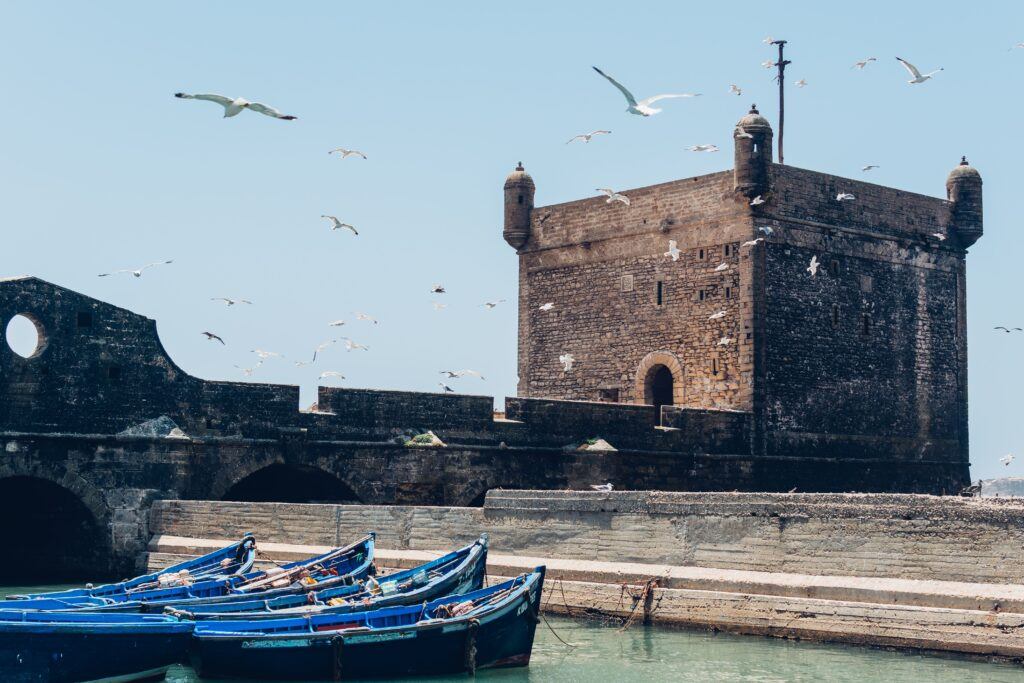
6Essaouira: best niche lifestyle market
Essaouira has a character that a new property development cannot reproduce.
It attracts buyers who prefer a small coastal city, a slower pace, a creative community, and a more intimate tourism market.
The challenge is liquidity. The pool of buyers and tenants is much smaller than in Marrakech, Casablanca, or Tangier. This does not mean Essaouira is a poor choice, but it does mean you should buy a property you would be happy to hold even if resale takes time.
Medina houses require the same caution as other historic properties: ownership documents, access, structural condition, permits, damp, and renovation logistics must all be checked carefully.
The main danger: confusing emotional appeal with an easy investment exit.
Best practical purchase: a distinctive, legally sound property in a location that is attractive throughout the year, bought with a long holding period and conservative income assumptions.

7Fes: best cultural market for smaller budgets, but with higher resale risk
Fes offers lower prices, a large historic medina, universities, local rental demand, and a deep cultural identity.
That does not automatically make it a better investment.
Foreign buyer demand is weaker, short term rentals are less reliable than in Marrakech, and historic properties can be difficult to inspect, renovate, finance, and resell.
For a conventional apartment, areas such as Agdal, Saiss, Ville Nouvelle, and selected central neighborhoods are easier to understand than a complex building in the medina.
The main danger: buying a cheap property that stays cheap because few future buyers will want it.
Before considering a traditional property, understand the difference between Melkia and Titre Foncier. A low entry price has no value if ownership or resale remains uncertain.
Best practical purchase: an apartment with a registered title and clearly identified local demand, rather than a large restoration project purchased remotely.
Best place to buy property in Morocco by budget
Your budget determines not only the city but also the property quality, neighborhood, title type, and resale options available to you.
| Purchase budget | Markets to investigate | Realistic option | Main warning |
|---|---|---|---|
| Under MAD 800,000 | Fes, selected areas of Agadir, the outskirts of Marrakech, and the outskirts of Tangier | Small apartments, older resale properties, or outlying neighborhoods | Do not compromise on title, building quality, or rental demand simply to become an owner |
| MAD 800,000 to 1.5 million | Marrakech, Tangier, Agadir, Fes, and selected Casablanca neighborhoods | A solid range for buying a practical apartment if the neighborhood is chosen carefully | The neighborhoods most popular with foreign buyers may remain out of reach |
| MAD 1.5 to 3 million | All seven cities | Better locations, larger apartments, selected new developments, or small villas outside the most sought after areas | Developer marketing and residential service charges become important |
| MAD 3 to 5 million | Premium apartments, family villas, and selected riads | A strong range of options, but checks need to become more thorough as complexity increases | Luxury asking prices can be disconnected from resale reality |
| Over MAD 5 million | Premium neighborhoods in Marrakech, Casablanca, Rabat, Tangier, and Agadir, plus Essaouira’s luxury segment | Villas, premium residences, prestige apartments, or major renovation projects | Obtain an independent valuation, legal review, and technical inspection |
For a broader comparison by city and property type, see how much an apartment costs in Morocco.
Best Moroccan city for each buyer goal
| Your goal | First city to consider | Alternative | Why |
|---|---|---|---|
| Best overall flexibility | Marrakech | Tangier | Personal use, international demand, and several rental strategies |
| Long term rental income | Casablanca | Rabat | Employment, professional tenants, and local demand throughout the year |
| Short term rentals | Marrakech | Agadir or Taghazout | A substantial tourism market and established property management infrastructure |
| Capital growth potential | Tangier | Casablanca | Industry, infrastructure, and business expansion |
| Retirement | Agadir | Essaouira | Climate, beach access, and a slower pace of life |
| Family relocation | Rabat | Casablanca | Schools, services, hospitals, and employment |
| Lowest entry price | Fes | Outskirts of Agadir or Marrakech | More space for your budget, but more difficult resale in some areas |
| Premium lifestyle | Marrakech | Casablanca or Tangier | International recognition and premium property options |
Buyers who are still unsure whether buying makes sense should first compare renting versus buying property in Morocco. Renting for one or two months in your target city can teach you much more than a single weekend of viewings.
Five checks that matter more than choosing a city
Even a great city cannot protect you from weak legal documentation.
- Verify the title and the owner. Obtain a recent ANCFCC Certificate of Ownership and confirm that the seller’s identity matches the registered owner.
- Understand the title type. A registered Titre Foncier is easier for most foreign buyers to verify, finance, and resell than an informal or traditional ownership structure. Use the complete property title verification checklist for Morocco.
- Check the permits and the building. Confirm the building permit, occupancy permit, approved plans, building management status, unpaid service charges, and any unauthorized alterations.
- Control how the deposit is paid. Do not send a reservation payment to an agent or seller before the legal documents and contract have been reviewed. Read how a property deposit in Morocco should be handled.
- Protect the money trail. Use a Moroccan bank account suitable for funds coming from abroad and keep the documents needed for future repatriation. Read the guides to the convertible dirham account and repatriating sale proceeds from Morocco.
Foreigners can generally buy titled urban property in Morocco. Agricultural land and certain rural situations require greater caution or authorization. Read the complete guide explaining whether foreigners can buy urban land in Morocco.
Thorough due diligence should also cover taxes, financing, and purchase costs. For many conventional transactions, budget around 6% to 8% above the purchase price, but request a written estimate for the specific transaction. Read the updated guides to notary fees in Morocco and property transfer duties and taxes.
When a property is purchased off plan, the risk profile changes. Delivery, guarantees, approved plans, the developer’s track record, and payment milestones require more thorough checks. Read the guide to buying off plan property in Morocco.
Is 2026 a good time to buy property in Morocco?
The answer depends on the specific deal, not a nationwide slogan.
Bank Al-Maghrib reported a quarterly fall of 3% in housing prices and a 38.4% drop in residential transactions in the first quarter of 2026.
This does not mean every city or neighborhood fell by the same amount. It does mean buyers should remain skeptical when told that prices can only rise or that they must reserve immediately.
A market with slowing transactions can create room for negotiation, especially for resale properties that have been listed online for several months. However, a discount does not fix a weak title, a poor building, a bad location, or an unrealistic rental plan.
The 2030 World Cup may support infrastructure and international visibility in Marrakech, Casablanca, Tangier, Rabat, Agadir, and Fes. It should be treated as a potential positive factor, not the core investment thesis.
My final recommendation
Choose Marrakech first if you want the broadest combination of lifestyle, international demand, and rental flexibility.
Choose Casablanca if you want long term professional demand and accept paying more to enter a strong business market.
Choose Tangier if you believe in its long term economic trajectory and can carefully select the exact neighborhood.
Choose Rabat if quality of life, your family’s needs, and stability matter more than tourism yields.
Choose Agadir if you genuinely want to live near the beach or retire there, and would remain happy with the property even if rental income disappointed.
Choose Essaouira for a distinctive long term lifestyle purchase, not a quick resale.
Choose Fes only if the lower purchase price is supported by clear local rental demand or a genuine personal use plan.
The best city is the one that matches your goal. The best purchase is a property with clear ownership, verified permits, realistic demand, and a well defined resale strategy.
Frequently asked questions
What is the best place to buy property in Morocco as a foreigner?
Marrakech is my first choice overall for most foreign buyers because it combines lifestyle, direct international access, an established foreign ownership market, and several possible rental strategies. Casablanca may be better for long term rentals, while Rabat may be a better fit for a family home.
Which Moroccan city is best for rental income?
Casablanca is the strongest market for conventional long term rentals. Marrakech has a substantial short term rental market but requires more active management and careful building selection. Published estimates for the first quarter of 2026, based on asking prices and rents, indicated gross yields of around 8.3% in Casablanca and 8.25% in Marrakech, before all costs are deducted.
Marrakech or Tangier: which city is better for property investment?
Marrakech is easier to understand for lifestyle and tourism demand. Tangier’s growth story is more closely tied to industry and infrastructure. Marrakech generally offers a more established international rental ecosystem, while Tangier may suit a patient buyer focused on long term development.
Where is the cheapest property in Morocco?
Fes and selected outlying neighborhoods in major cities offer lower prices. However, the cheapest city is not automatically the best investment, as rental demand, title quality, property condition, and resale liquidity may also be weaker.
Which city is safest for a foreign property buyer?
Safety depends more on the specific property and the buying process than on the city. An apartment with a registered title in a completed residential development in Marrakech, Casablanca, Tangier, Rabat, or Agadir can be relatively straightforward to buy when the owner, title, permits, taxes, and building documents are independently verified.
Can foreigners buy property in Morocco?
Foreigners can generally buy titled apartments, houses, villas, riads, and urban land. Agricultural land and certain rural properties require special attention. Read the complete guide explaining how foreigners can buy property in Morocco.
Can a foreigner get a mortgage in Morocco?
Mortgages are available to foreign buyers, but approval criteria, required down payments, income documentation, currency, residency status, and bank policies vary. Read the complete guide to mortgages in Morocco for foreigners before making an offer conditional on financing.
How much should I budget above the purchase price?
Many buyers should budget around 6% to 8% above the property price for registration, land registry fees, notary fees, taxes, and other purchase costs, with agency fees potentially charged on top. Request a calculation specific to the transaction before signing.
Data and methodology: Apartment price benchmarks were checked against Agenz pages updated in January 2026. Gross rental yield estimates for Casablanca, Rabat, Marrakech, Tangier, and Agadir come from Global Property Guide for the first quarter of 2026 and are based on median asking rents and median purchase prices. The national market trend is based on Bank Al-Maghrib’s real estate price index for the first quarter of 2026.
External references: Agenz Marrakech, Agenz Casablanca, Agenz Tangier, Agenz Rabat, Agenz Agadir, Agenz Essaouira, Agenz Fes, Global Property Guide rental yields, and Bank Al-Maghrib real estate price index.
This article provides general information and market analysis from a buyer’s perspective. It is not a valuation, legal or tax advice, or a promise of returns. Have every property checked by an independent Moroccan notary, a lawyer, and a qualified technical professional.

Anis is the founder of Buy Property Morocco, a research-based resource created to help foreign buyers understand the real process of buying property in Morocco safely.
He focuses on the practical details most buyers only discover too late: title deed checks, notary steps, compromis de vente risks, transfer taxes, foreign banking rules, repatriating money after a sale, and avoiding common mistakes when dealing with agents or sellers.
Anis has personally bought 4 properties in Morocco and shares practical guidance based on real experience, not theory.
If you are seriously considering buying property in Morocco and want private guidance before you send money, pay a deposit, or sign anything, you can book a buyer safety call here: