
Last updated: September 2026
Yes, foreigners can buy property in Marrakech, and non residents can generally buy most types of urban residential property there.
That general permission does not make every property a safe purchase, so each title, seller and building still needs to be verified.
Land classified as agricultural follows different rules, and some other situations need extra professional checks before any money moves.
This guide explains what foreign buyers can usually buy in Marrakech, what to verify, which costs to confirm and when to slow down.
I’m Anis Chity, a Moroccan based in Marrakech and the founder of Buy Property Morocco.
Having personally bought four properties in Marrakech, I have dealt with negotiations, deposits, tenant contracts, notary costs and registration myself.
About this guide
- It is written from the buyer’s side by someone who lives in Marrakech and has bought property here.
- Its author is not a lawyer, notary, tax adviser, surveyor, engineer or licensed real estate professional.
- Legal, tax, banking and technical points should always be confirmed with the right Moroccan professional or authority.
What this guide covers
- At a glance
- What foreigners can generally buy
- Situations that need extra checks
- Marrakech property types and what to check
- Title and documents to verify
- Costs to confirm before setting a budget
- How purchase funds should enter Morocco
- Professionals involved in the purchase
- The buying process step by step
- Red flags that should slow you down
- What to confirm before paying anything
- Frequently asked questions
At a Glance: Can Foreigners Buy Property in Marrakech?
Here are short answers to the questions foreign buyers usually ask first.
The table below summarises the main points, and each one is explained in more detail further down.
| Question | Short answer |
|---|---|
| Can foreigners buy property in Marrakech? | Generally yes, for most urban residential property such as apartments, riads and villas inside the urban perimeter. |
| Do I need Moroccan residency? | Generally no, and owning property does not by itself give you a residence permit. |
| Can a foreigner buy agricultural land? | Do not assume you can, because the notary and relevant authorities should first confirm the land status and any AVNA requirement. |
| Which ownership document matters most? | A registered title, called a titre foncier, checked through a recent certificat de propriété from the land registry. |
| What do I pay on top of the price? | Registration duties, land registry fees, notary fees, any agency fee and bank costs, which your notary can estimate in writing. |
| When is a deposit reasonable? | Only after the title and seller are verified and the deposit is tied to a written agreement. |
| How should the money arrive? | Through official banking channels, with proof kept for every foreign currency transfer. |
| Who completes the sale? | Usually a Moroccan notary, who prepares the deed and files the transfer with the land registry. |
Already considering a property?
See the 14 Day Buyer Plan: $299 →
Get 14 days of personal buyer support, three private calls and WhatsApp support.
Get help reviewing up to three properties before you commit money.
What Can Foreigners Generally Buy in Marrakech?
Foreign nationals can generally buy urban residential property in Marrakech without Moroccan citizenship or residency.
In practice, this usually covers apartments, houses, riads and villas located inside the urban perimeter.
Registered titles are kept by the ANCFCC, the national agency responsible for land registration, the cadastre and mapping.
For urban residential property, the harder questions usually concern the specific property rather than your nationality.
The better questions are who owns the property, whether that ownership is registered and whether the seller can legally sell.
The main restriction concerns land classified as agricultural, and foreign buyers should not assume they can acquire it.
A company with foreign shareholders may face similar limits, so the buying structure also needs checking.
Before you sign or pay, the notary and relevant authorities should confirm the land classification and urban perimeter status.
They should also confirm the buyer structure and whether an AVNA or another authorisation is required.
A plot can look ready for building and still carry an agricultural classification.
For the wider national picture, see this guide to buying property in Morocco as a foreigner.
Which Situations Need Extra Checks?
Some purchases remain possible but need a more careful review before you commit.
None of the situations below automatically rules a property out, although each one usually calls for specialist input.
- Land outside the urban perimeter: The notary and relevant authorities should confirm its classification and whether an AVNA certificate or another authorisation is required.
- Melkia or unregistered property: A melkia is a traditional ownership document, and it generally offers less certainty than a registered titre foncier.
- Property still being registered: A pending registration application means the title is not yet final and objections may still be possible.
- Inherited or jointly owned property: Every registered owner or heir usually needs to take part in the sale or be properly represented.
- Sale through a power of attorney: The document must be genuine, current and specific enough to cover this exact sale.
- Renovated or extended buildings: Visible works should match approved plans and the relevant authorisations.
- Off plan purchases: The developer’s land title, building permit and contract terms need review before any payment.
- Property sold with a tenant: An existing lease, its rent and the tenant’s rights usually continue, so review them before agreeing a price.
- Plans for short stay rental: Confirm the current tourism requirements, local rules, building rules, declarations and tax obligations for that specific property.
Marrakech Property Types: What Should You Check First?
The type of property you choose changes what needs checking and who should check it.
Treat this table as a starting point rather than a complete list of legal requirements.
| Property type | What to check first | When to slow down |
|---|---|---|
| Apartment | Title, building rules, syndic account and any building works already approved by the owners. | Unpaid charges are unclear, or the building rules conflict with your plans. |
| Medina riad | Title status, past renovation authorisations, structure, shared walls and access. | The title is not registered, heirs are unclear or major works lack authorisation. |
| Villa | Land status, building permits, authorisations for pools or extensions, access and utilities. | Nobody can confirm the land classification or the permits in writing. |
| Land near Marrakech | Land classification, urban perimeter status, buyer structure, any AVNA or other authorisation, access and utilities. | The seller promises the classification will be sorted out later. |
| Off plan apartment | The developer’s land title, building permit, contract terms and payment schedule. | Payments are requested before the title and contract terms are clear. |
If an apartment is your likely choice, this guide to buying an apartment in Marrakech covers the practical details.
Riads usually need a slower approach, and this walkthrough explains how to buy a riad in Marrakech carefully.
How does location change the checks?
Marrakech is not one uniform market, so the practical questions change from one part of the city to another.
- Medina: Many properties are older riads, so title history, renovation authorisations and structural condition deserve close attention.
- Guéliz and Hivernage: Central apartment buildings raise questions about building rules, syndic management, parking and noise.
- Palmeraie and the Route de l’Ourika: Villas and land are common here, so land classification, access and utilities come first.
- Newer residential districts: Look closely at the developer’s record, finishing quality, lifts, water pressure and future demand from buyers or tenants.
Beyond paperwork, consider summer heat, parking, noise and the distance from the places you will use most.
Visiting at different times of day can reveal traffic and access issues that listings rarely mention.
How Does Title and Ownership Verification Work?
It is essential, yet it is only one part of your checks.
Which ownership documents will you hear about?
- Titre foncier: This is the registered land title held by the ANCFCC and identified by a unique title number.
- Certificat de propriété: This certificate from the land registry shows the registered owners and recorded entries on the date it is issued.
- Melkia: A traditional ownership document, which may need registration or further legal review before a sale can proceed safely.
- Réquisition d’immatriculation: An application to register a property, meaning the title process is not yet complete.
The practical differences between these forms of ownership are explained in this comparison of Melkia and titre foncier for foreign buyers.
What can a title record help confirm?
- It shows the registered owner or owners of the property.
- Its description includes the title number and the registered surface area.
- Registered entries such as mortgages, provisional notices or other rights should appear on it.
What does a title record not confirm?
- It does not prove the building is in sound physical condition.
- Nor does it show that every extension or renovation was authorised.
- Short stay rental permission is a separate question.
- Syndic charges and local taxes may be unpaid even when the title looks clean.
- The identity and authority of the person selling still need separate checks.
A recent certificate matters more than an old copy, because registered entries can change.
Never rely only on a photo, screenshot or photocopy supplied by a seller or agent.
This guide to the ANCFCC certificat de propriété explains how the certificate can be requested.
In most sales, your notary will carry out the registry checks while preparing the deed.
What Documents Should You Check Before Paying?
Before any deposit, ask for the documents below and have the relevant ones reviewed by your notary.
Not every document applies to every property, so ask which ones matter for yours.
- Recent certificat de propriété: It should show the seller as registered owner and list any recorded entries.
- Seller identity documents: The name should match the registered owner on the certificate.
- Power of attorney, if used: Your notary should confirm it is valid and covers this exact sale.
- Inheritance or joint ownership papers: Where several people hold rights, their documents and consent may be required.
- Building authorisations: Ask about the original building permit and any authorisation covering later works.
- Completion documents: Ask whether a permis d’habiter or certificat de conformité exists for the building.
- Building rules, for apartments: The règlement de copropriété sets out what owners can and cannot do in the building.
- Syndic statement: A written statement from the building manager should show whether charges are paid.
- Local tax position: Ask how the notary will confirm that taxes linked to the property are settled before completion.
- Existing lease, if any: Review the rent, duration and tenant rights before you agree a price.
- Developer documents, for off plan property: Request the land title, building permit and full sale contract.
The notary’s role: A Moroccan notary is a public officer who prepares and authenticates the deed and is expected to act impartially.
For complex property, inheritance, land or construction questions, you may also want your own lawyer, architect or engineer.
How should a deposit be handled?
No universal deposit amount applies to every Marrakech purchase.
What matters most is that any deposit is tied to a clear written agreement reviewed by the right professional.
That agreement is often a compromis de vente, a preliminary sale contract signed before the final deed.
It should identify the property, its title, the parties, the price, the payment method and the conditions of the sale.
The same document should state what happens to the deposit if a condition is not met or either party withdraws.
Pay only by traceable bank methods and keep proof of every payment.
Avoid handing cash to an agent, a relative of the seller or any other intermediary.
Even with a signed agreement, getting a deposit back is not guaranteed, so understand the terms before you pay.
This guide to the compromis de vente in Morocco explains the agreement in more detail.
Already considering a property?
See the 14 Day Buyer Plan: $299 →
Get 14 days of personal buyer support, three private calls and WhatsApp support.
Get help reviewing up to three properties before you commit money.
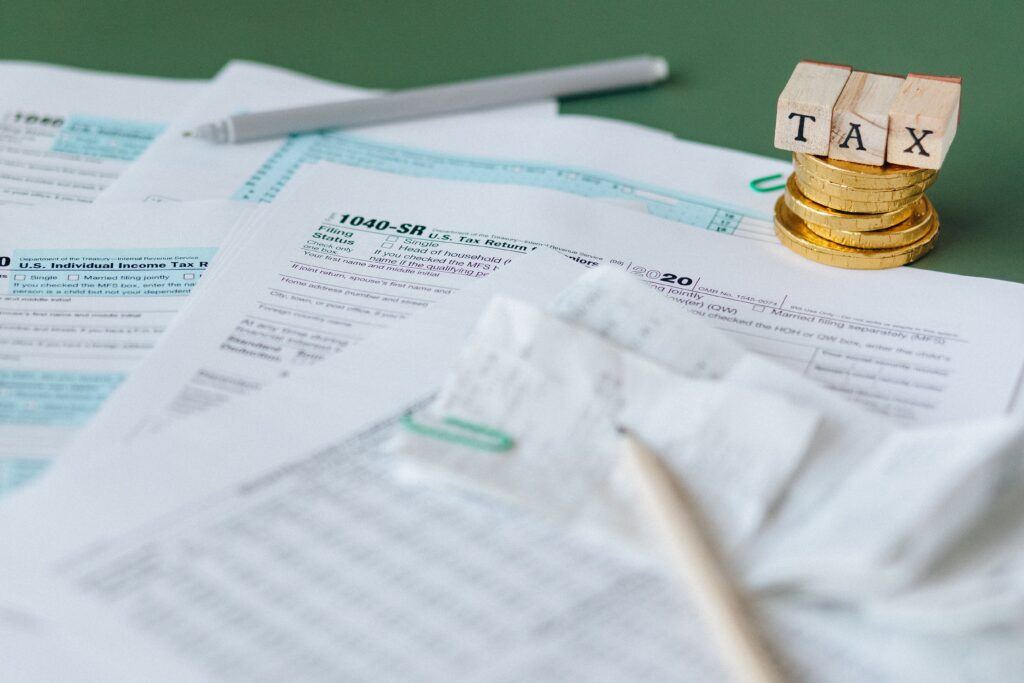
What Costs Should You Confirm Before Setting a Budget?
The agreed price is only part of what you will pay.
When I bought, I noticed several separate costs at the notary rather than one single fee.
That is why it makes sense to budget for the full acquisition cost from the start.
| Cost | What it usually involves | How to confirm it |
|---|---|---|
| Registration duties | A tax on the sale deed that depends on the property and transaction, and the DGI’s 2026 apartment examples use 4 percent. | Ask your notary for the applicable rate and a written cost estimate. |
| Extra duty on untraceable payment | From 1 July 2026, an extra 2 percent can apply to sales above 300,000 dirhams when accepted payment methods are not used or recorded. | Pay through accepted banking methods and check that the deed records the payment references. |
| Land registry fees | Fees paid to the ANCFCC to record the transfer, listed at 1.5 percent of the price plus a fixed fee and a minimum charge. | Confirm the current tariff with your notary. |
| Notary fees | Fees for preparing and completing the deed, plus any applicable taxes and administrative costs. | Request a written estimate before signing anything. |
| Agency fees | A fee that may be paid by the buyer, the seller or both, depending on the arrangement. | Agree who pays, and how much, in writing. |
| Bank and exchange costs | Transfer fees and exchange margins charged by the banks involved. | Ask each bank before you send funds. |
| Loan costs, if borrowing | Bank fees and the cost of registering a mortgage on the title. | Get the full cost from the lender in writing. |
| Ongoing ownership costs | Annual local taxes, syndic charges, insurance and maintenance. | Ask the seller, the syndic and your notary for recent figures. |
For a closer breakdown, see this guide to notary fees and purchase costs in Morocco.
The DGI explains the extra duty in its Note Circulaire 737 on the 2026 Finance Law.
According to that guidance, when only part of the price is paid in cash, the extra duty applies to that part only.
It also states that the extra duty does not apply where the deed records payment through a bank loan.
Tax rules can change with each Finance Law, so ask your notary how they apply on your signing date.
Land registry fees are listed in the ANCFCC tariff and processing times document.
If you plan to rent or later sell, ask a tax adviser how rental income and any future gain would be taxed in your case.
Our guide to fiscal representation for foreign property owners explains who can deal with the tax office for you while you are abroad.
Buyer warning: do not under declare the price
Some buyers are told that writing a lower price on the deed will reduce duties.
Doing so can create tax exposure now and a larger taxable gain when you sell.
A lower declared price can also weaken the records you may need to transfer money abroad after a sale.
Declare the real price and pay it through traceable channels.
How Should Purchase Funds Enter Morocco?
Morocco has a regulated foreign exchange system overseen by the Office des Changes.
Its current rules are set out in the General Instruction for Foreign Exchange Transactions 2026.
How your foreign funding is documented may affect the convertibility and transfer treatment that applies when you later sell.
- Use official banking channels: Transfer funds from a foreign account to a Moroccan bank rather than carrying cash or using informal networks.
- Keep every proof: Retain the transfer records and any bank documents confirming that foreign currency was received.
- Ask about a convertible dirham account: Your bank can explain whether this type of account suits funds brought in from abroad.
- Match the paperwork: The amounts transferred, the price in the deed and the notary’s records should be consistent.
- Plan your exit early: Ask your bank which records it will need if you sell and want to transfer the proceeds abroad.
Before you transfer: Speak with your Moroccan bank and your notary about the route your money should take.
Missing records are much harder to recreate years later, when you decide to sell.
This guide on repatriating money after selling property in Morocco explains what buyers should plan for.
Which Professionals Are Involved in the Purchase?
Most straightforward purchases revolve around a notary, while complex cases may need more support.
The map below shows who can usually help confirm each type of question.
Your notary checks the land registry records before the deed.
A notary prepares the deed, and a lawyer can review complex agreements on your behalf.
An architect or engineer can inspect the structure, damp and past works.
Local authorities and an architect can confirm what was authorised.
A qualified surveyor can compare boundaries with the registered plan.
Your bank explains how funds should arrive and which records to keep.
The notary, a tax adviser or the DGI can confirm what applies to you.
- Notary (notaire): A public officer who prepares and authenticates the deed, usually handles the duties and files the transfer.
- Adoul: A legally authorised professional whose role may arise in certain transactions, particularly those involving traditional ownership documents.
- Lawyer: Someone who can advise you personally on contracts, inheritance issues, disputes or company structures.
- Architect or engineer: Especially useful for riads, villas and renovated buildings.
- Surveyor: Helpful for land and villas where boundaries or surface areas matter.
- Real estate agent: Can help you find and view property, but an agent’s advice never replaces legal checks.
- Bank and tax adviser: Support transfers, loans, tax planning and future resale.
An adoul and a notaire are not interchangeable, so ask a qualified notary or lawyer which professional is competent for your transaction.
You can usually choose your own notary, even if the seller or developer already works with one.
Moroccan banks may lend to some non residents, but approval depends on the bank and is never automatic.

What Is the Buying Process Step by Step?
The exact order varies, but a careful purchase in Marrakech usually follows a sequence like this.
No money moves while documents are still missing.
Request the certificate, identity papers and property documents.
The notary checks the title, the seller and the conditions of sale.
Any deposit is paid traceably under written terms.
Money arrives through official channels, and you keep the proof.
Both parties sign the acte de vente, and the balance is paid as the deed provides.
After signing, the notary files the sale with the ANCFCC.
Obtain an updated certificate showing you as the registered owner.
Registration can take time after signing, so ask your notary for a realistic timetable for your case.
Ask your notary to confirm that registration is complete and obtain an updated certificate showing the ownership transfer.
What Did My Own Marrakech Purchases Teach Me?
This short video shares practical lessons from buying property in Marrakech.
From my experience
These are my own experiences, and another buyer’s contract, deposit or tenant situation may work differently.
Deposits deserve care: In one purchase, I paid a deposit of around 1,000 euros while waiting for the seller to return from abroad.
It worked out, but today I would tie any deposit to clear documents and, ideally, handle it through the notary.
Tenants change the checks: One property I bought included a shop that was already rented.
At first, the tenant did not want to redo the rental contract, which worried me.
In my case, the tenant’s lawyer explained that the existing contract would stay as it was.
Once the property was registered in my name, the rent could be paid to me.
Trust is not a check: On my first purchase, I relied heavily on the people around me.
Everything went well, but I now encourage buyers to understand and verify each step themselves.
Have your own lease, deposit terms and documents reviewed rather than relying on how my purchases turned out.
Which Red Flags Should Make You Slow Down?
These warning signs do not always mean fraud, but they do mean the deal is not ready.
- The seller cannot show a recent certificat de propriété or will not let your notary check the title.
- Someone asks for money before the title and seller have been verified.
- Cash, a personal account or another unusual payment route is suggested.
- The seller’s name does not match the registered owner.
- A representative cannot produce a valid power of attorney for this sale.
- Heirs or joint owners are mentioned but not all identified.
- Nobody can give documents or a clear timetable for a title described as “being registered”.
- Visible extensions or renovations have no authorisation.
- You are pushed to decide quickly or discouraged from choosing your own notary.
- Declaring a lower price on the deed is suggested to you.
- The price seems unusually low and standard documents are missing.
- Details of what is included in the sale keep changing.
Walking away from an unclear deal is usually cheaper than trying to fix a problem after completion.
For more warning signs, read this guide to Marrakech property scams and pitfalls.
What Should You Confirm Before You Pay Anything?
Use this checklist as a final pause before any money leaves your account.
- A recent certificate shows who owns the property and what is registered against it.
- Your notary has confirmed the seller’s identity and authority to sell.
- The notary has confirmed the land classification and whether any AVNA or other authorisation is required.
- You know which authorisations cover the building and any later works.
- The written agreement explains the price, conditions and deposit terms.
- You hold a written estimate of all buying costs.
- Your bank has explained how funds should arrive and what proof to keep.
- Any lease, syndic charges and local taxes linked to the property are understood.
- Your plans for living, renting or reselling suit the property and its rules.

Frequently Asked Questions
Can foreigners legally buy property in Marrakech?
Yes, foreign nationals can generally buy urban residential property in Marrakech.
Land classified as agricultural and some special situations follow different rules, so each property still needs checking.
Do I need Moroccan residency to buy?
Generally, no, because non residents can buy property in Morocco.
Owning property does not by itself give you the right to live in Morocco long term.
Can a foreigner buy land near Marrakech?
Foreign buyers can generally consider urban land, subject to the usual checks.
However, nobody should assume a foreign buyer can acquire land classified as agricultural.
Your notary and the relevant authorities should confirm the classification, urban perimeter status, buyer structure and any AVNA or other authorisation required.
What is a titre foncier?
A titre foncier is a registered land title held by the ANCFCC.
It records the owners, the property description and registered entries such as mortgages.
What should I verify before paying a deposit?
Check the registered owner, the seller’s authority, the property classification and the written terms of the agreement.
Pay only through traceable methods and keep proof of every payment.
Do I need a Moroccan notary?
Property sales generally require an official deed, and foreign buyers usually complete this before a Moroccan notary.
Since the notary acts impartially, consider your own lawyer when the purchase is complex.
How should purchase funds enter Morocco?
Send funds through official banking channels rather than cash or informal transfers.
Keep all bank records, and ask your bank whether a convertible dirham account suits your purchase.
Can I take my money out of Morocco after selling?
The transfer treatment of sale proceeds may depend on how the purchase was funded and documented.
Do not assume that all sale proceeds can automatically be transferred abroad.
Taxes due on the sale also need settling, so confirm the requirements with your bank and notary before you buy.
What costs should I confirm before buying?
Confirm registration duties, land registry fees, notary fees, any agency fee and your bank costs.
Ask for a written estimate, because the total depends on the property and how the price is paid.
Can I buy property remotely through a power of attorney?
Buying through a representative is often possible, provided the power of attorney meets the notary’s requirements.
Ask the notary in advance how the document should be drafted, signed and legalised in your country.
Does my nationality change the process?
For urban residential property, the process is generally similar for most foreign nationals.
Your notary and bank can confirm whether anything specific applies to your situation.
Can I rent my Marrakech property to tourists?
If you plan to offer short stay accommodation, confirm the current tourism requirements, local administrative rules, building rules, declarations and tax obligations for that property.
Requirements can differ between properties, and an existing authorisation should not be assumed to continue after a sale.
Professional disclaimer
This article provides general educational information.
It is not legal, tax, financial or technical advice.
Confirm your specific situation with the appropriate qualified Moroccan professional or authority.
When to Send a WhatsApp Message
A WhatsApp message makes sense when you want to talk through your situation before taking the next step.
- You are comparing areas or property types in Marrakech.
- An agent or seller has asked for a deposit.
- The seller mentions melkia, heirs or a power of attorney.
- Land or a villa outside the city centre has caught your interest.
- You are unsure how to plan the transfer of your funds.
The conversation helps clarify where you stand, but it does not replace a notary, lawyer or other qualified professional.
What to Include in Your Message
- The Marrakech area or exact location.
- Your budget or the asking price.
- The property type.
- Your buying timeframe.
- Any main question or concern.
Already considering a property?
See the 14 Day Buyer Plan: $299 →
Get 14 days of personal buyer support, three private calls and WhatsApp support.
Get help reviewing up to three properties before you commit money.

Anis is the founder of Buy Property Morocco, a research-based resource created to help foreign buyers understand the real process of buying property in Morocco safely.
He focuses on the practical details most buyers only discover too late: title deed checks, notary steps, compromis de vente risks, transfer taxes, foreign banking rules, repatriating money after a sale, and avoiding common mistakes when dealing with agents or sellers.
Anis has personally bought 4 properties in Morocco and shares practical guidance based on real experience, not theory.
If you are seriously considering buying property in Morocco and want private guidance before you send money, pay a deposit, or sign anything, you can book a buyer safety call here: