
A practical guide to retiring in Morocco, written by someone who actually lives here.
Foreigners can retire in Morocco legally, comfortably and affordably, yet the people who struggle here almost always skipped the preparation.
The most common mistake is treating Morocco like a holiday decision instead of a serious legal and financial move.
Read this before you transfer a single euro, sign anything, or trust anyone who approached you first.
My name is Anis Chity, and I run Buy Property Morocco.
I live in Morocco, and I have lived in Marrakech, Casablanca and Agadir.
In addition, I have personally bought four properties in Marrakech, so I know the buyer side of this country from experience rather than from a brochure.
Because this guide covers residence, money, property and health, treat it as orientation and confirm every detail with qualified professionals before you act.
Start Here
- Quick answer: can you retire in Morocco?
- What retirement in Morocco really costs
- Residency, retirement visa and residence card
- Healthcare and insurance
- Best places to retire in Morocco
- Mistakes that cost retirees money
Open the full table of contents
Deciding if Morocco fits you
- At a glance: retiring in Morocco
- Choose your situation
- Is Morocco a good place to retire?
- Why so many Europeans choose Morocco
- Who Morocco suits and who it does not
- Pros and cons of retiring in Morocco
- Daily life realities: driving, street life, foreigner pricing
- The adaptation period and local networks
- What Reddit gets right and wrong
Money, pensions and banking
- What does it cost to retire in Morocco?
- How much money do you need each month?
- City by city retirement budget table
- Foreign pensions, taxes and retirement income
- Banking and money transfers
Legal residence
- The residency process explained
- Morocco retirement visa requirements
- Residence card document checklist
- Your first 90 days plan
Healthcare
Retiring here by nationality
- Retiring in Morocco as an American
- Retiring to Morocco from the UK
- From France
- From Belgium
- From Germany
- From Spain
- From Canada
- As a Moroccan living abroad
Renting and buying property
- Should you rent or buy?
- Buying property as a retiring foreigner
- Property checklist for retirees
- Real situations that went wrong
Where to live and how Morocco compares
Decide and act
Quick Answer: Can You Retire in Morocco?
- Can foreigners retire here? Yes, and legally. Foreigners of most nationalities can retire in Morocco and own property here with full legal title rights.
- Is there a retirement visa? No single one. Most people enter on a standard 90 day tourist stay, test the country, then apply for a residence card, known as a carte de séjour, to stay long term.
- How much money does a retiree need? Based on my own spending and local rental observations, a single retiree often lives comfortably on roughly 900 to 1,500 euro per month, while a couple usually plans for 1,500 to 3,000 euro depending on city and lifestyle.
- Can retirees buy property? Yes. Every purchase goes through a government appointed notaire, and your money should enter Morocco through official bank channels so you can send it out again later.
- Should retirees rent first? Yes. Rent for at least six months, because the city and the neighborhood only reveal themselves in daily life.
- Is healthcare good enough? Private healthcare is good in the major cities, whereas public healthcare is not where a foreign retiree wants to be, so plan and budget for private cover from day one.
- What is the biggest mistake? Trusting the first friendly agent and rushing a purchase based on a holiday feeling instead of daily life.
At a Glance: Retiring in Morocco
- Foreigners can legally live and own property in Morocco with full title rights
- A tourist stay covers 90 days, while a longer retirement requires a formal residence card
- Many retirees live well in Morocco on less than 1,500 euro per month, depending on the city
- French is widely spoken in administration and healthcare, which helps enormously
- Private healthcare is good in major cities but thin in smaller towns
- All property purchases must go through a government appointed notaire
- Funds brought into Morocco through official bank channels can be sent home again when you sell or leave
- The biggest risks are informal agents, unregistered properties and rushed decisions
Choose Your Situation: Jump to What Matters for You
Everyone arrives at this question from a different place.
Tap the line that fits you and jump straight to the part of this guide that helps you most.
Is Morocco a Good Place to Retire?
Yes, Morocco can be a very good place to retire as a foreigner.
Lower costs, a warm climate, fresh food, good private healthcare in the major cities and short flights to Europe make it genuinely competitive with better known retirement destinations.
However, it is not right for everyone.
Morocco works well for retirees who are patient, organized and willing to adapt to a different pace of life.
Instead, it works badly for people who expect everything to run like France, the UK or the United States.
The retirees who do best here share a few habits.
First, they prepared before they arrived.
Next, they rented rather than buying immediately.
Finally, they understood the healthcare landscape before they needed it.
My advice is simple: rent for at least six months, live the ordinary version of Morocco rather than the holiday version, and only think about buying once you know the city, the neighborhood and the process.
Why So Many Europeans Are Retiring in Morocco Right Now

I have been helping foreigners navigate Moroccan property and retirement for years, and I have seen both sides of the story.
Some people built genuinely beautiful lives here, while others lost money, got frustrated and left.
The honest answer is that Morocco rewards retirees who prepare properly.
Proximity is the first draw, because Morocco sits a short flight from France, Spain, Italy, Belgium, Portugal and the UK.
Direct routes from cities such as Paris, Toulouse, Lyon, Brussels, Rome, Warsaw and Madrid mean a family visit does not cost a fortune or swallow a full day of travel.
That detail matters more than most people realize at the planning stage.
When you are older and your family is in Europe, being two hours away is not the same as being twelve hours away.
Climate is the second draw, and it is genuinely one of Morocco’s strongest cards.
Along the Atlantic, cities like Agadir, Essaouira and Casablanca give mild winters and warm summers without the brutal inland heat.
Marrakech, by contrast, is hotter in summer but beautiful in spring and autumn.
Further north, around Tangier and Chefchaouen, the landscape is greener and the air is cooler.
Language is the third draw for European retirees.
Hospitals, banks, government offices and professional services all operate in French, so you will not feel lost the way you might in a country where no familiar language is used.
Cost is the final draw, and it is the reason most people start looking in the first place.
A retired couple can live genuinely well in a good apartment, with fresh food daily, some domestic help, private health insurance and regular dining out, for far less than the same lifestyle costs in Western Europe.
Because currencies and local prices move, treat every figure in this guide as an estimate rather than a promise.
Who Morocco Is Right For and Who It Is Not Right For
Most retirement articles describe the sunshine and the tagine and leave out the things that decide whether a move here works.
Morocco tends to work well for retirees who:
- Want a significantly lower cost of living than Western Europe
- Value warm weather, sunshine and a mild Atlantic or Mediterranean climate
- Have some French or are willing to learn basic French
- Enjoy food markets, slow mornings and a genuinely different pace of life
- Want to stay close to Europe for family visits
- Are organized, patient and willing to navigate paperwork with professional help
- Are curious about culture, architecture and a life that is not a copy of home
- Will rent first and arrange healthcare, residency and banking before they need them
Morocco is probably not the right fit for retirees who:
- Expect public administration to run with no delays or inconsistencies
- Cannot tolerate uncertainty or slow processes
- Refuse to learn any French or basic Darija and want everything in English
- Have serious ongoing medical needs and still want to live in a small town
- Want everything to work the way it does in France, Germany or the UK
- Are looking to buy property immediately on a two week visit
- Plan to rely on informal agent recommendations and Facebook groups for legal decisions
- Are unwilling to adapt their shopping and daily habits at all
None of this is a criticism of Morocco, because every retirement destination has a profile.
In practice, the people who struggle here are rarely the ones who did their research.
Full Time or Part Time Retirement in Morocco
Many retirees never move here completely, and a seasonal life can be the smarter first step.
| Question | Full time retirement | Part time or seasonal retirement |
|---|---|---|
| Residency | A residence card is normally needed once you pass the 90 day visitor stay | Stays under 90 days can often work without a residence card, so check the rules for your nationality |
| Healthcare access | Local doctors, a regular pharmacy and full private cover in Morocco | Cover in two countries, plus travel insurance that fits repeated trips |
| Two homes | One home, one set of bills and simpler admin | Two sets of bills, plus someone to watch the empty property |
| Travel costs | Occasional flights to see family | Regular flights, which can quietly erase part of the cost saving |
| Family connections | Family visits you, so plan a spare room | Easier for grandchildren, birthdays and family duties back home |
| Seasonal weather | You live through the hot inland summer or choose the coast | You can avoid the worst heat or the coldest European months |
| Cultural integration | Deeper friendships, better local prices and stronger local networks | Slower integration, because you keep restarting the relationships |
Retiring in Morocco: Pros and Cons

Pros
- Lower cost of living than most of Western Europe
- Warm climate and long sunny seasons
- Good private healthcare in the major cities
- Fresh food, lively markets and affordable domestic help
- Short flights to Europe
- Foreigners can buy titled property legally
- French is widely used in administration, banking and healthcare
- Rich culture, architecture and a genuinely different way of life
- Local souks reduce food costs considerably
Cons
- Administration can be slow and inconsistent
- Public healthcare is not ideal for serious issues
- French or Arabic helps a lot in daily life
- Property buying requires careful legal checks
- Informal agents and cash deals create serious risk
- Medina properties and older homes can have hidden maintenance problems
- Summer heat is difficult in Marrakech and other inland cities
- The adaptation period takes longer than most people expect
Morocco is not perfect, although for the right retiree the advantages clearly outweigh the drawbacks.
Daily Life Realities: Driving, Street Life and Foreigner Pricing
Most guides stop at sunshine, cost and paperwork.
Real daily life has a few rough edges that are worth understanding before you arrive.
Driving and Road Behavior
I will be honest, because I find driving in Morocco stressful compared with many places I have lived or visited.
In my experience, Marrakech and Casablanca are the hardest Moroccan cities to drive in.
Marrakech is difficult because of taxis, motorbikes, narrow roads, sudden stops and busy streets.
A taxi may stop suddenly without signaling because the driver has seen someone waving for a ride.
Motorbikes often cut between cars, and at night some ride without proper lights, which makes them hard to see.
Casablanca is difficult for a different reason, namely heavy traffic and assertive driving.
Many drivers there do not respect roundabouts or priority rules, so they may cut you off even when you have priority.
Agadir feels easier to me, because the roads are wider, the traffic is lighter and there are fewer motorbikes.
Tangier also feels calmer than Marrakech and Casablanca.
Rabat feels more regulated, although the police can be strict.
I personally paid a 400 MAD fine in Rabat because I did not fully stop at a stop sign.
Treat that as a practical warning, since enforcement in some cities is real.
None of this means Moroccan drivers are bad.
Instead, it means driving here rewards a calmer and more defensive approach than many foreigners are used to.
Many retirees skip the question entirely and rely on cheap taxis.
Street Interactions and Begging
One thing I dislike is that some areas have many beggars, and a few can be pushy.
This can feel uncomfortable for foreigners who are not used to it.
A calm, polite and firm manner usually works best, and it becomes much easier to handle once you settle in.
Foreigner Pricing and Why Local Prices Matter
Another thing worth understanding early is foreigner pricing.
Some sellers, landlords, taxi drivers and informal service providers raise prices when they sense you live abroad.
Sometimes the quoted price sits far above the local price.
This is not everyone, and it is certainly not unique to Morocco.
Still, it happens often enough that it is worth preparing for.
The fix is simple: learn what normal prices look like.
Ask locals you trust, then compare several quotes before you agree to anything.
Above all, do not rush, because rushing is what gets foreigners overcharged.
A trusted handyman, a good pharmacist and a neighbor who tells you the fair price for a repair will save you far more than they cost.
The Adaptation Period, Local Networks and Building Realities
Living entirely inside the expat bubble is expensive, and it quietly removes most of the cost advantage that brought you here.
Many foreigners retire in Morocco and live entirely within an expat circle, shopping at European style supermarkets and hiring the first English speaking contractor they find.
Partial local integration, at least for food and basic services, is where the real saving comes from.
Building a trusted local network also takes time, usually a year or two rather than a month.
The retirees who thrive here almost always have a doctor they trust, a reliable handyman and a pharmacist who knows their name.
Meanwhile, administration moves at its own speed.
The same process at the same office can take two weeks for one person and three months for another, so build patience into every plan that involves paperwork.
Two practical points about buildings deserve special attention for retirees.
First, elevator access matters far more than it seems at the planning stage, because a fourth floor apartment that feels fine at 58 can become a daily problem at 68.
Second, building management varies enormously, so ask who maintains the lift, who collects the shared charges and who fixes things when they break.
Medina life deserves the same honesty, since narrow streets, no vehicle access, noisy mornings and damp in older structures suit some people for life and exhaust others within two years.
What Reddit Gets Right and Wrong About Retiring in Morocco

Reddit discussions about retiring in Morocco surface real concerns about cost, language, healthcare gaps, paperwork and cultural adjustment.
That kind of first hand commentary is worth reading before you move anywhere.
However, many comments come from people who visited briefly or had one difficult experience.
Someone who had a bad week in Marrakech and someone who has lived happily in Agadir for five years both appear in the same thread, yet their views carry very different weight.
Forums tend to mislead most on the subjects that need local and professional knowledge, such as residency, property buying, banking, healthcare planning and tax.
Use those threads to find the right questions, then take the answers to a professional.
Already considering a property?
See the 14 Day Buyer Plan: $299 →
Get 14 days of personal buyer support, three private calls and WhatsApp support.
Get help reviewing up to three properties before you commit money.
What Does It Actually Cost to Retire in Morocco?
Here are working numbers from daily life in Morocco rather than figures copied from a brochure.
Housing Costs and What They Buy

Housing is your highest monthly cost and the biggest variable in any Morocco budget.
In Agadir, a well located two bedroom apartment in a modern building with elevator and parking rents for roughly 5,000 to 9,000 MAD per month.
My wife and I rented a beautiful studio in the heart of Agadir, about a ten minute drive from Marina Agadir, for 750 USD a month with all utilities included, even the wifi.
Because I was born in Italy and lived in European cities such as Paris, Rome and Milan, I know that the same money there would barely cover a room.
In Marrakech, a similar apartment in Gueliz or Hivernage typically costs more, while medina riads vary far more and bring extra complications.
Rabat and Casablanca sit close to Marrakech, or slightly higher in premium areas.
Meanwhile, Essaouira, Mohammedia and El Jadida are noticeably cheaper and calmer.
If you plan to buy instead of rent, Marrakech commands higher prices in desirable neighborhoods than most coastal cities of comparable quality.
Online asking prices shown to foreigners can be inflated, so compare several local sources, speak with residents and never rely on one agent’s price.
One practical point on elevators: a third floor apartment without a lift is fine at 55 and a genuine problem at 70.
Food and Daily Spending
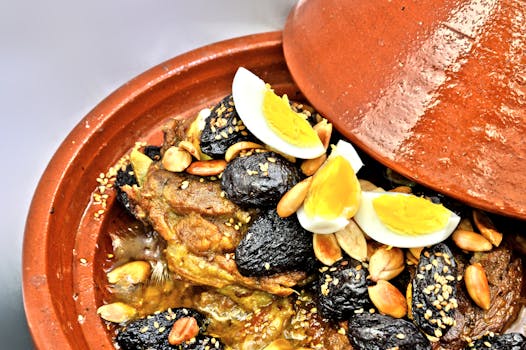
Food is where Morocco really saves you money compared with Europe.
Local markets, known as souks, sell fresh vegetables, fruit, fish and meat at prices that feel unreal if you are used to French supermarket bills.
A weekly basket of produce commonly costs around 150 to 300 MAD, while a meal at a good local restaurant that is not aimed at tourists usually costs roughly 80 to 150 MAD per person.
My wife and I shop at a local souk that opens every Saturday.
We buy enough vegetables for two weeks, plus extra kilos of potatoes and onions that keep for around three weeks, for about 30 euro.
In addition, we buy milk, pasta, rice and household basics at a supermarket called Atakadao, which in our experience is considerably cheaper than Marjane or Carrefour.
Imported European products push the bill up quickly, so a taste for specific French cheeses and wines will change your monthly total.
Domestic help is affordable and normal among expat retirees, with reliable housekeepers commonly costing between 1,500 and 3,000 MAD per month for daily or near daily help.
A trusted local pharmacist also makes a real difference, because once a pharmacist knows you they can advise on routine medication and flag problems early.
Everyday Healthcare Costs

Private consultations in Morocco cost a fraction of European private rates, although prices differ by city, clinic and specialty.
Ask two or three clinics in your chosen city for their current consultation fees, since published figures online go out of date quickly.
Private health insurance is the item retirees most often underestimate, and quotes vary widely with your age, your medical history and the level of cover you choose.
For that reason, request personal quotes from several insurers instead of trusting any single figure you read, including mine.
The healthcare section below explains how to plan this properly.
Transport Costs

In dense city areas, taxis are cheap and plentiful, and short trips in a petit taxi usually cost a small fraction of a European fare.
Ride sharing apps operate in the larger cities.
However, if you live in a suburb or want freedom to explore, a car makes life significantly easier.
Fuel costs less than in France, and parking is generally simpler and cheaper.
Buying a car in Morocco or importing one follows specific procedures, so take advice before assuming you can drive on European plates indefinitely.
A Realistic Monthly Budget for a Couple
| Expense | Estimated range (MAD per month) |
|---|---|
| Rent for a two bedroom apartment | 6,000 to 12,000 |
| Food and groceries | 3,000 to 5,000 |
| Dining out several times weekly | 2,000 to 4,000 |
| Domestic help | 1,500 to 3,000 |
| Transport | 1,000 to 2,500 |
| Utilities | 600 to 1,200 |
| Health insurance | 1,500 to 3,000 |
| Leisure and activities | 1,500 to 3,000 |
| Total, approximate | 17,100 to 33,700 MAD |
A couple living modestly but comfortably sits near the lower end, while an active social life pushes you toward the middle.
Only premium rentals and a lavish routine approach the top of that range.
How Much Money Do You Need to Retire in Morocco?

Start with the city, because city choice moves your budget more than any other decision.
A single retiree can often live comfortably from roughly 900 to 1,500 euro per month in many Moroccan cities.
A couple should usually plan for around 1,500 to 3,000 euro per month for a comfortable standard of living that includes rent, food, transport, private healthcare and normal leisure.
Marrakech, Rabat and Casablanca tend to cost more, particularly for rent.
Agadir, Essaouira, Mohammedia, El Jadida and several smaller coastal towns are noticeably more affordable for comparable housing.
| Monthly budget | What it can cover | Who it fits |
|---|---|---|
| 900 to 1,200 euro | Simple apartment, local food, modest transport, careful spending | Single retiree in a cheaper city or calm coastal town |
| 1,200 to 1,700 euro | Better apartment, private healthcare budget, some restaurants, normal comfort | Single retiree who wants comfort without luxury |
| 1,500 to 2,200 euro | Good apartment, strong food budget, private cover, help at home, social life | Couple living comfortably outside the most expensive areas |
| 2,200 to 3,000 euro and above | Premium rent, more travel, regular restaurants, better insurance, domestic help | Couple in Marrakech, Rabat or Casablanca, or a higher end lifestyle |
Budget higher for your first six months, because new arrivals always pay more before they learn the local prices, the right markets and the right people.
Once you settle, monthly costs usually become far more predictable.
Can 50,000 USD Cover Retirement in Morocco?
A sum of 50,000 USD can fund a serious test period or a few years of modest living, yet it is not a complete retirement plan on its own.
If a single retiree spends roughly 1,200 to 1,800 USD per month, that sum might cover about two to three years before emergencies, travel, health surprises, exchange rate moves or a property deposit.
Therefore, treat it as a relocation cushion for your first year, your residency setup, deposits, furniture and insurance.
For long term peace of mind, regular monthly income matters more than any lump sum.
City by City Retirement Budget Table
| City | Single retiree, per month | Couple, per month | Best for | Watch out for |
|---|---|---|---|---|
| Agadir | 900 to 1,400 euro, roughly 10,000 to 15,500 MAD | 1,400 to 2,200 euro, roughly 15,500 to 24,000 MAD | Beach lifestyle, expat community, ease of living, mild climate | Less cultural depth, and some areas feel like a resort |
| Marrakech | 1,100 to 1,700 euro, roughly 12,000 to 19,000 MAD | 1,700 to 2,800 euro, roughly 19,000 to 31,000 MAD | Culture, restaurants, social scene, good flights | Harsh summer heat, tourist saturation, higher rents in good areas |
| Rabat | 1,000 to 1,600 euro, roughly 11,000 to 17,500 MAD | 1,600 to 2,600 euro, roughly 17,500 to 29,000 MAD | Calm, organized, good services, Atlantic coast, administrative center | Higher housing costs than smaller cities, quieter expat scene |
| Casablanca | 1,200 to 1,800 euro, roughly 13,000 to 20,000 MAD | 1,800 to 3,000 euro, roughly 20,000 to 33,000 MAD | Best healthcare access, business services, international community | Most expensive city, heavy traffic, less charm for retirees |
| Essaouira | 800 to 1,200 euro, roughly 8,800 to 13,200 MAD | 1,200 to 1,900 euro, roughly 13,200 to 21,000 MAD | Bohemian atmosphere, calm, lower costs, authentic town life | Limited healthcare, fewer specialists, fewer flights, constant wind |
| Tangier | 950 to 1,500 euro, roughly 10,500 to 16,500 MAD | 1,500 to 2,400 euro, roughly 16,500 to 26,500 MAD | Proximity to Spain and Europe, green climate, improving infrastructure | Expat community still forming, so check specialist healthcare |
| Mohammedia | 800 to 1,200 euro, roughly 8,800 to 13,200 MAD | 1,200 to 1,900 euro, roughly 13,200 to 21,000 MAD | Very affordable quiet beach town close to Casablanca | Limited local services, so most retirees use Casablanca for healthcare |
| El Jadida | 750 to 1,100 euro, roughly 8,300 to 12,000 MAD | 1,100 to 1,800 euro, roughly 12,000 to 20,000 MAD | Affordable, Atlantic coast, historic Portuguese medina, calm life | Small expat community, fewer English or French services, few flights |
| Meknes | 800 to 1,300 euro, roughly 8,800 to 14,500 MAD | 1,200 to 2,000 euro, roughly 13,200 to 22,000 MAD | Lower costs, traditional city life, calmer pace, close to Fes | Smaller expat community, fewer international services |
Residency in Morocco: How Legal Residence Actually Works
A tourist entry gives most nationalities 90 days in Morocco.
For anything longer, you need a residence card, called a carte de séjour.
The process is not complicated, although it rewards patience and preparation.
You apply at the local wilaya, which is the regional government office, or at the police headquarters that covers your area.
Documents commonly requested include a valid passport, proof of address in Morocco such as a registered lease or property deed, proof of regular income, proof of medical coverage and a police clearance certificate from your home country.
Processing times vary, so some people finish in weeks while others wait months, especially when documents need translation or legalization.
Hiring a local administrative agent or lawyer costs little and removes most of the frustration.
Morocco Retirement Visa Requirements: What You Actually Need
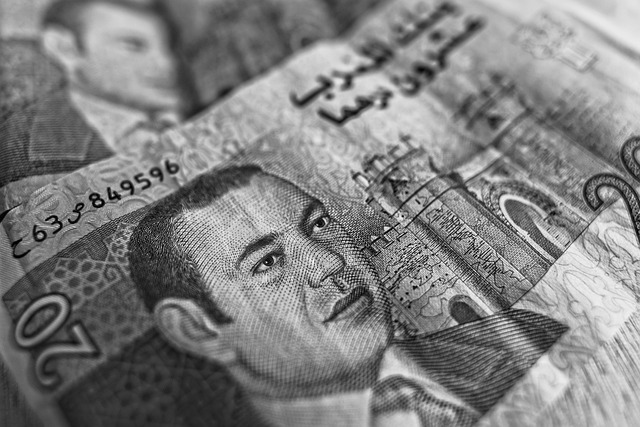
Morocco does not offer a single dedicated retirement visa that you apply for online and arrive with everything solved.
Most people search for the phrase Morocco retirement visa, yet the document that governs real retirement life here is the residence card, known as the carte de séjour or carte d’immatriculation.
For many Europeans, British citizens, Americans, Canadians and other nationalities, the first step is simply entering Morocco as a visitor for up to 90 days.
After that, if you want to live here long term, rent a proper apartment, open a local bank account and avoid stress later, you apply for residence before your tourist stay runs out.
From what I have seen, the retirees who handle this smoothly prepare their documents before they need them.
Those who struggle usually arrive, fall in love with the country, rent something casually and then start asking about paperwork in week eleven.
Documents Usually Requested for a Retirement Based Application

- A valid passport with enough validity remaining
- Copies of your passport identity page and your Morocco entry stamp
- Proof of address in Morocco, usually a registered rental contract or property deed
- Proof of regular income, such as pension statements or bank statements
- Proof that you can support yourself without working illegally in Morocco
- Proof of medical coverage
- A police clearance or criminal record certificate from your home country
- Passport photos in the required format
- Any forms, stamps, translations or legalizations requested by your local office
The exact file changes slightly depending on the city, the office, your nationality and your personal situation.
Marrakech, Agadir, Rabat, Casablanca and Essaouira can all feel different in practice, even when the law is the same.
Proving your situation clearly matters as much as having money.
If your pension arrives monthly, show it cleanly, and if you have savings, show exactly where they sit.
Make sure the lease is properly written and usable for administration, because I have seen people lose weeks over a small name mismatch or an informal rental contract.
Before buying property purely to make residency easier, slow down, rent first and speak to a notaire or lawyer.
Is Health Insurance Mandatory for a Moroccan Residence Card?
The honest answer is that it depends on your local office, and I have not seen a reliable official source stating one universal insurance rule with no exceptions.
In practice, four separate things get confused here, so it helps to separate them.
- Documents requested by the local office: each wilaya or police headquarters publishes its own file list, and that list can differ between cities and change over time.
- A medical certificate: some offices ask for a certificate from a doctor about your health, which is not the same thing as insurance.
- Proof of medical coverage: many retirees are asked to show that their care is covered so they do not depend on the public system, and a private policy is the usual way to prove it.
- Private health insurance as a practical choice: whether or not your office demands it, going without cover as a foreign retiree in Morocco is a poor idea.
Therefore, treat private cover as a strong practical recommendation for retirees and confirm the document requirement itself with the relevant Moroccan authority, your embassy or a qualified local professional.
For British readers, the UK government publishes general guidance on living in Morocco that is worth reading alongside local advice.
Is There an Age Requirement to Retire in Morocco?
Foreigners do not need to reach one universal age before moving to Morocco and living on pension income, savings or investment income.
Instead, the administration cares whether you can support yourself legally, whether your address is stable and whether your file is complete.
Note that this is a different question from the statutory retirement age that applies to people working inside the Moroccan pension system, which affects Moroccan employees rather than foreign retirees arriving with their own income.
If your application rests on retirement, income documents that clearly show a pension or stable long term income will help.
Morocco Residence Card Document Checklist
| Document | Why it matters | Prepare before arrival? | Notes |
|---|---|---|---|
| Valid passport | Your primary identity document throughout the process | Yes | Check the expiry date and keep several certified copies. |
| Morocco entry stamp copies | Proves your legal entry date and the start of your stay | Obtained on arrival | Keep copies of every stamp each time you enter or leave Morocco. |
| Proof of address in Morocco | Shows you have a stable residence | No, arrange after arrival | A formal registered rental contract or property deed is expected, since informal agreements may be refused. |
| Rental contract or property deed | Supports your address proof and your legal residential status | No, arranged in Morocco | The contract format matters, so use a lawyer or administrative agent. |
| Pension statements | Proves regular income and that you can support yourself | Yes | Bring originals and translations if they are not in French or Arabic, and several months of statements is safer. |
| Bank statements | Confirms financial stability | Yes | You may need both home country and Moroccan account statements. |
| Proof of medical coverage | Shows you will not depend on Moroccan public services | Yes | Arrange international or local private cover early, because arriving without it creates delays. |
| Police clearance or criminal record certificate | Standard requirement for residence applications | Yes, request it from your home country | Some countries require legalization or an apostille, so allow extra time. |
| Passport photos | Required for the form and the card itself | Bring some, or obtain them locally | Size and format rules apply, and local photo shops know them. |
| Translations and legalizations | Documents not in French or Arabic may need certified translation | Yes where possible | Use sworn translators, because many offices insist on them. |
| Local application forms and stamps | Forms specific to your wilaya or police headquarters | No, obtained locally | A local agent or lawyer will know exactly which forms your office uses. |
Healthcare and Insurance for Retirees in Morocco
Healthcare is where I see the most optimism and the least preparation.
Private healthcare is good in the right cities, while public healthcare is not where a foreign retiree wants to be for anything serious.
Because of that gap, your city choice and your insurance plan carry enormous weight.
Healthcare Access City by City
| City | Private care and specialist access | Best for | Suitable for serious ongoing needs? | Watch out for |
|---|---|---|---|---|
| Casablanca | The strongest private hospitals in Morocco, with the widest range of specialists and full emergency care | Retirees with serious or ongoing medical needs | Yes, the best option in the country | Most expensive city, and heavy traffic can slow you down in an emergency |
| Rabat | Very good private facilities in a calmer setting, covering most specialties | Retirees who want quality care without big city intensity | Yes, a strong choice | A few specialties remain stronger in Casablanca, and there are fewer flights |
| Marrakech | Good private clinics and expat friendly services, although complex cases may go to Casablanca | Retirees who want culture and social life alongside solid routine care | Yes in most situations | Summer heat is hard on some conditions, so know your nearest clinic in advance |
| Agadir | Good for routine care with several private clinics, but with some specialist gaps | Generally healthy retirees who want an easy, mild climate lifestyle | Yes for routine health, with care needed for chronic conditions | Check specialist availability carefully before you commit |
| Tangier | Improving and reasonable for routine care, with specialist access still developing | Retirees who want a northern base close to Spain | Moderate, and better for generally healthy retirees | Serious cases may still need Casablanca or Rabat |
| Essaouira | Basic, with good pharmacies and general care but very limited specialists | Fit, healthy retirees who want calm and authenticity | Not ideal for complex ongoing needs | Specialist care means a trip to Agadir or Casablanca, so plan for emergencies |
| Smaller towns and rural areas | Basic local facilities only, with very limited specialist access or none | Very independent retirees in good health | No, unless you live close to a larger city | You need a clear emergency plan and a realistic travel time to a hospital |
How to Plan Your Health Insurance
Arrange cover before you arrive rather than after you land.
International policies are the common choice, although some retirees combine an international plan with a local Moroccan private plan.
Premiums depend heavily on your age, your medical history, the level of cover and whether repatriation or evacuation is included, so collect several personal quotes.
Ask each insurer directly whether Morocco is fully covered, which clinics accept direct billing and what happens in a medical emergency abroad.
Finally, keep your policy documents where a family member can find them.
Healthcare Checklist Before Choosing a City
- What is the nearest private clinic, and what does it actually cover?
- Is there a specialist for any ongoing condition you already have?
- What is your emergency plan for a heart attack, a stroke or a major accident?
- Which pharmacy is nearest, and do they stock your regular medication?
- If specialist access is limited locally, how far are you from Casablanca or Rabat?
- Does your policy cover you fully in Morocco, including evacuation if needed?
- Is there a doctor nearby who speaks a language you are comfortable using?
Foreign Pensions, Taxes and Retirement Income in Morocco
Tax is the part of retiring in Morocco that people most often misunderstand.
Your position depends on your nationality, your pension type, your income level, your tax residence and how your money enters the country.
France and Morocco have a bilateral tax treaty, and many other countries have their own treaty arrangements with Morocco.
However, treaty details decide everything, so one hour with a qualified adviser who understands both your home country and Morocco usually saves far more than it costs.
Quick Tax Checklist Before You Move
| Question | Why it matters |
|---|---|
| Where will I be tax resident? | Your residence status can change where and how some income is taxed. |
| What type of pension do I receive? | State, public sector, private, military and company pensions may each be treated differently. |
| Does my country have a treaty with Morocco? | A treaty can affect double taxation and where income is reported. |
| How will I move money into Morocco? | Official transfer records matter for residency, property and future repatriation. |
| Do I still need to file taxes at home? | Some countries require filing even after you move abroad. |
How Treaty Positions Differ by Country
The table below is a starting point for questions, not an answer for your personal situation.
| Country | Treaty with Morocco | What usually needs professional review |
|---|---|---|
| France | Yes, a long standing bilateral treaty | Government, public sector, private and investment income may each be treated differently, so never assume another retiree’s outcome applies to you. Tax residency in Morocco is the first thing to establish. |
| United Kingdom | Yes, and the UK Morocco tax treaty continues to apply after Brexit | State pension treatment, private pension structure and the point at which you become a Moroccan tax resident. |
| United States | Filing obligations continue regardless of treaty position | Ongoing IRS filing, Social Security, investment income and foreign account reporting, which is not the same as paying tax twice. |
| Belgium | Yes | Government pension income compared with private pension income, plus Belgian exit obligations alongside Moroccan treatment. |
| Spain | Yes | Spanish state pension treatment, and any Spanish property you keep and rent out after leaving. |
| Canada | Yes | CPP, OAS, RRSP withdrawals and provincial considerations, particularly for Quebec retirees. |
Foreign Pensions Versus the Moroccan System
Three different things get mixed up constantly, so it is worth separating them clearly.
- Receiving a foreign pension while living in Morocco: most retirees keep the pension paid into a home country account, then transfer money into Morocco through official bank channels as they need it.
- Receiving United States Social Security while living abroad: payment rules, reporting and tax treatment are set by the United States, so confirm your situation directly with the paying agency before you move.
- Claiming a Moroccan pension or Moroccan social security: those systems are built for people who contributed to them through work in Morocco, and moving here as a foreign retiree does not create an entitlement.
Contact your pension provider before you leave, because payment abroad, proof of life forms, address changes and withholding rules can all shift once you move.
Keep pension letters, monthly statements, transfer receipts and Moroccan bank records, since clean pension documentation supports your residence file and any future movement of money.
Banking and Money Transfers for Retirees in Morocco
Banking here is manageable, although it strongly rewards people who do things correctly from day one.
The goal is clean records for rent, daily expenses, residency, property and any future repatriation.
Opening a Moroccan Bank Account
| You usually need | Why it matters |
|---|---|
| Passport | Basic identity document for the bank. |
| Proof of address in Morocco | Shows where you live locally. |
| Proof of income | Shows pension, savings or regular funds. |
| Residence documents if available | Some banks ask for more once your stay becomes long term. |
For many European retirees, the process at the major Moroccan banks is straightforward.
Americans and Canadians often face more paperwork because of home country reporting obligations.
Since some branches handle foreign clients better than others, ask retirees in your chosen city which ones were easiest to work with.
Using Official Banking Channels
Every serious transfer into Morocco should travel through official bank channels, because that creates the paper trail you may need years later.
- Keep every transfer receipt.
- Keep every bank confirmation.
- Keep every currency conversion record.
- Keep the notaire file if you buy property.
- Keep copies in both digital and printed form.
Money moved this way creates an official record, often called an attestation de transfert, which can support your residence file and matter later if you sell property or leave.
Morocco’s foreign exchange authority, the Office des Changes, publishes the official framework for foreign investment and the transfer of sale proceeds, and your bank or notaire should be able to explain how it applies to you.
Convertible Dirham Accounts and Why They Matter
Foreign residents often use a convertible dirham account, which preserves the official record of funds that came from abroad.
That record matters if you later sell property or leave Morocco and want to send money out legally.
Ask your bank to confirm exactly which account type you are opening before you transfer large sums.
Before buying anything, make sure you can answer five questions.
- How did your money enter Morocco?
- Which account received it?
- Do you hold transfer certificates or bank proof?
- Does the notaire file show the money trail clearly?
- Which documents would you need if you sold the property later?
The retirees who struggle to move money out are almost always the ones whose paperwork was messy on the way in.
Retiring in Morocco as an American

Americans can retire in Morocco, and a number of them do it successfully.
U.S. passport holders can typically enter as visitors for up to 90 days, then apply for a residence card if they want to stay.
Banking deserves early attention, because opening a Moroccan account as an American can take longer than it does for European nationals.
Therefore, start that process early and keep documentation of every transfer.
Healthcare planning follows the same rule as for any foreign retiree, which means private cover from day one and a known clinic in your chosen city.
One situation is specific to Americans: U.S. citizens generally keep filing obligations no matter where they live.
That does not automatically create double taxation, although it does mean the paperwork never stops, so speak with a tax professional who handles American expatriate cases before you move.
Agadir and Marrakech are the most popular choices among American retirees, largely for the expat communities, climate and services, while Rabat and Casablanca suit those who prioritize healthcare and administration.
Americans are not the largest foreign retiree group here, since French, Belgian and Spanish retirees are far more numerous, and I would be careful with any article claiming an exact percentage.
Retiring to Morocco From the UK

British retirees move to Morocco for a warmer climate, lower costs and a flight home that takes hours rather than a full day.
The route is the same as for other nationalities: enter as a visitor, then apply for a residence card for a long stay.
Pension income usually transfers smoothly through official banking channels, so keep records of every payment.
On tax, the treaty between the UK and Morocco still applies after Brexit, although the outcome depends on your income type, so a bilingual adviser is worth the fee.
The UK government also publishes practical guidance for British nationals on living in Morocco, which is a sensible first read.
Is There a Minimum UK Pension Threshold for Retiring in Morocco?
I have not found a verified nationwide figure that sets a minimum monthly pension for British retirees applying in Morocco.
Instead, applicants are generally expected to show sufficient, regular and documented resources that cover their living costs without working illegally.
In practice, the local office assesses your complete financial file, including pension statements, bank statements, your housing situation and your medical cover, rather than applying one guaranteed national number.
Because of that, be cautious with any website quoting a precise threshold, and confirm the current expectation with the relevant Moroccan authority, the British embassy or a qualified local professional.
Language, Cities and the Most Common British Mistake
English speaking services exist in the main expat cities, yet French makes daily administration and healthcare far easier.
Agadir has the most established English speaking community, Marrakech offers more culture, and Essaouira suits a quieter and more artistic life.
The most common mistake I see among British retirees is buying quickly after one beautiful week in Marrakech.
Morocco on a two week break is not Morocco when you are dealing with the electricity company or an administrative issue, so rent for at least six months first.
Retiring in Morocco From France, Belgium, Germany, Spain and Canada
The residence process is broadly the same for every nationality, so the real differences are language, travel, tax and the mistakes each group tends to make.
| Country | Language and travel | Popular cities | The mistake to avoid |
|---|---|---|---|
| France | French retirees are the largest European group here, and language is barely a barrier, with direct routes from Paris, Lyon, Toulouse, Bordeaux, Marseille and Montpellier. | Marrakech, Rabat, Agadir, Casablanca | Assuming the tax position is automatically simple because a treaty exists, instead of paying for advice on your specific pension. |
| Belgium | Francophone Belgians share the French language advantage, Flemish speakers face a steeper adjustment, and Brussels connects directly to all major Moroccan cities. | Marrakech, Agadir, Casablanca | Falling for a medina riad without understanding maintenance, damp, vehicle access and management over the long term. |
| Germany | German is rarely useful in administration or healthcare, so basic French changes everything, and direct flights run from Frankfurt, Munich, Berlin and Dusseldorf. | Agadir, Marrakech | Expecting German levels of administrative precision, since processing times and document lists vary here. |
| Spain | Ferries from Algeciras to Tangier avoid flying entirely, although Spanish is widely useful only in the north, so French still matters. | Tangier, Rabat, Casablanca | Treating Tangier as representative of all Morocco, when retiring there differs greatly from Agadir or Marrakech. |
| Canada | Quebec retirees adapt quickly thanks to French, while flights from Montreal and Toronto are long compared with European routes. | Agadir, Marrakech, Casablanca | Underestimating the distance from family, because visits need far more planning than they do from Europe. |
Banking friction is worth flagging for Canadians as well as Americans, so open your account early and use official transfer channels from the start.
Retiring in Morocco as a Moroccan Living Abroad
Moroccans living abroad arrive with advantages that foreign retirees do not have.
You may already speak Darija, Arabic, Amazigh or French, know the culture, have family nearby and know which region feels like home.
Still, family connections do not replace paperwork, banking records, tax planning or property due diligence.
| Area | What to check | Why it matters |
|---|---|---|
| Property | Title status, seller authority, land type, official records and notaire review. | Family trust does not protect you from unclear title or a bad transaction. |
| Pension income | How your pension from France, Belgium, Canada or elsewhere is treated. | Tax rules depend on pension type, residence status and treaty position. |
| Banking | How retirement money enters Morocco and whether transfer records stay clean. | Clean records matter later if you buy, sell or move funds again. |
| Family help | Who is advising you and whether they understand the legal process. | A relative may mean well and still not know how to protect you. |
The protections are identical to those for foreign buyers: use a notaire, check the title, verify the seller’s authority, move money officially and get an independent legal review when the situation is complex.
Best Places to Retire in Morocco: An Honest Comparison
You can also compare the current cost of living in some of the biggest cities in Morocco before you shortlist.
| City | Best for | Watch out for |
|---|---|---|
| Agadir | Climate, expat community, beach lifestyle | Less cultural depth than other cities |
| Marrakech | Culture, restaurants, social scene | Higher costs, hot summers, tourist saturation |
| Rabat | Modern services, green spaces, calmer pace | Higher housing cost than Agadir |
| Essaouira | Authenticity, calm, lower costs | Limited healthcare, fewer flight connections |
| Casablanca | Premium healthcare, business services | Most expensive, less charm for retirees |
| Tangier | Proximity to Europe, cooler climate | Growing but less established expat community |
| Fes | Traditional city life, lower costs, a famous medina and strong local culture | Hot summers, cool damp winters, a small foreign retiree community and limited English |
| Mohammedia | Very affordable, quiet, close to Casablanca | Limited standalone services, so use Casablanca for healthcare |
| El Jadida | Affordable, Atlantic coast, authentic atmosphere | Limited expat community, fewer services |
| Meknes | Lower costs, traditional Moroccan life, calm pace | Smaller expat community, fewer international services |
If you are weighing cities for a purchase rather than a rental, my guide to the best place to buy property in Morocco goes deeper on each market.
Agadir: The Easiest Starting Point for Most Retirees
Agadir suits retirees who want a straightforward lifestyle, beach access, a warm dry climate and an established expat community.
Daily life means morning beach walks, markets, cafes and a city layout that is easy to manage.
Healthcare covers routine needs well, although some retirees travel to Casablanca for complex procedures.
The main drawback is that Agadir can feel a little resort like, without the cultural depth of Marrakech or Fes.
For most European retirees, I would still call it the easiest place to start, and I would rent here for six months before deciding anything permanent.
Marrakech: Culture, Social Life and the Most Rushed Purchases
Marrakech attracts retirees who want culture, restaurants and an international social scene, and many also consider rental income here.
Most foreign retirees settle in neighborhoods such as Gueliz or Hivernage rather than the medina, because those areas are modern and well serviced.
Healthcare is good, with several private clinics and reasonable specialist access.
Summer is the honest downside, since June through September is genuinely hard inland.
I see more rushed and regretted purchases in Marrakech than anywhere else in Morocco, so let the city impress you without letting it shorten your process.
Rabat: Calm, Organized and Underrated
Rabat works for retirees who want services, order and a real Moroccan city without heavy tourism.
The capital is cleaner and quieter than Casablanca, the Atlantic is close and the medina stays manageable.
Private healthcare is strong, while the social scene is quieter than some new arrivals expect.
For a calm daily life with good services, Rabat deserves more attention than it usually gets.
Casablanca: Best Healthcare, Least Charm
Casablanca is a working city rather than a lifestyle destination.
What it offers is unmatched inside Morocco: the best hospitals, the widest specialist access and the strongest banking infrastructure.
Housing costs the most here, and traffic wears some retirees down.
I recommend it specifically for retirees with significant healthcare needs, while others often live better elsewhere and travel in for specialist care.
Essaouira and Tangier: Calm Coast or Northern Gateway
Essaouira suits retirees who want authenticity, low costs and a genuinely slow pace, and its small expat community is warm.
Healthcare is the limitation, because specialist care means travelling to Agadir or Casablanca, and the wind is constant.
Tangier, by contrast, offers proximity to Spain, a cooler climate and fast improving infrastructure.
Its expat community is still forming, so research neighborhoods and specialist healthcare carefully before committing.
Fes, Meknes, Mohammedia and El Jadida: Lower Costs, More Local Life
Fes is Morocco’s great traditional city, home to one of the world’s most famous medinas and a strong sense of local identity.
Costs sit well below Marrakech and Casablanca, which is the main financial attraction.
Healthcare includes private clinics and a university hospital, although retirees with complex needs often still look to Rabat or Casablanca.
Summers inland are hot and winters can feel cool and damp, so the climate differs from the Atlantic coast.
French and Arabic carry daily life, while English support is limited and the foreign retiree community is small.
Fes suits retirees who genuinely want traditional city life, cultural depth and a lower budget, and it tends to frustrate those who want an easy expat bubble, beach weather or English speaking services on demand.
Meknes offers a similar trade, with a calmer pace and lower costs than Marrakech, and it works best for retirees who speak some French and want local life.
Mohammedia gives you a quiet beach town within reach of Casablanca services, while El Jadida is among the most affordable Atlantic options with a beautiful historic medina.
Both suit people who are comfortable outside the expat circuit, since English and French services are thinner and flights are fewer.
Already considering a property?
See the 14 Day Buyer Plan: $299 →
Get 14 days of personal buyer support, three private calls and WhatsApp support.
Get help reviewing up to three properties before you commit money.
Morocco vs Portugal vs Spain vs Tunisia
Morocco is often compared with other retirement destinations near Europe, so here is where it genuinely wins and where another country may suit you better.
| Factor | Morocco | Portugal | Spain | Tunisia |
|---|---|---|---|---|
| Cost of living | Very low, and clearly cheaper than Western Europe for food, housing and services. | Moderate, and rising fast in Lisbon, Porto and the Algarve. | Moderate, cheaper than northern Europe but well above Morocco. | Low, broadly comparable to Morocco and sometimes cheaper. |
| Climate | Excellent on the Atlantic coast, while inland cities get very hot in summer. | Mild and pleasant, especially in the Algarve. | Excellent on the southern coast and the Canaries, hot inland. | Hot summers with a milder coast. |
| Healthcare | Good private care in major cities, with public healthcare unsuitable for foreign retirees. | Generally good public and private care within the EU system. | Good public and private system, with EU access for residents. | Basic private healthcare, generally less developed than Morocco’s main cities. |
| Residency process | Manageable but inconsistent, and it requires organized documents and local support. | Well defined, with a popular passive income visa for retirees. | Well defined, with a clear non lucrative visa route. | A retirement residence option exists, although it is less documented internationally. |
| Language | French is very useful, Darija is the street language, and English is limited in administration. | Portuguese for full integration, with English common in tourist areas. | Spanish required, with English widespread on the expat coast. | Arabic and French, with less English than Morocco in key services. |
| Property prices | Low to moderate, and clearly below Portugal or Spain in most cities. | Rising fast in Lisbon and the Algarve. | Higher than Morocco, especially on the popular coasts. | Low, although foreign buying rules deserve careful research. |
| Distance to Europe | Excellent, at two to four hours from most European capitals, plus ferries from Spain. | Already in Europe. | Already in Europe. | Reasonable, at two to three hours from southern Europe with fewer routes. |
| Culture shock | Moderate, since administration, pace and daily life differ from Europe. | Low for most Europeans. | Low for most Europeans. | Higher than Morocco for many Europeans. |
| Main downside | Inconsistent administration, healthcare that varies by city, and property purchases that demand due diligence. | Rising costs are eroding the value advantage. | Higher costs, with premium coastal areas expensive by any measure. | Less established expatriate infrastructure. |
Cost remains Morocco’s strongest advantage over Portugal and Spain, and across a retirement of ten or twenty years that gap changes what a fixed pension can buy.
Should You Rent or Buy When Retiring in Morocco?
My answer never changes: rent first.
Treat that as a real commitment to understanding the country, not as a formality before the purchase you already decided on.
What Six to Twelve Months of Renting Teaches You
- Whether the neighborhood is actually quiet at night, since a calm afternoon street can be very different at midnight on a weekend
- Whether the building management works, because a broken lift feels very different when you own the apartment
- What the summer heat really does to that city and that apartment
- Whether healthcare nearby meets your real needs rather than the idealized version
- Whether Morocco fits your daily life rather than your holiday imagination of it
- What local prices actually are, instead of the prices quoted to foreign buyers
Renting also buys you time to build the relationships that make a safe purchase possible, including a doctor, a notaire and an independent lawyer.
Those relationships rarely form during a two week buying trip.
When Buying Makes Sense
After six to twelve months, if Morocco genuinely fits your life and you have found a city and neighborhood that feel like home, buying can be an excellent decision.
Prices sit below most of Western Europe, the legal framework protects buyers who follow it, and ownership gives you stability.
Buying makes sense when all of the following are true.
- You have tested the city and neighborhood across seasons, including summer
- You know real local prices rather than newcomer prices
- You have spoken with a notaire and understand the process, costs and documents
- You have an independent lawyer reviewing the deal for you specifically
- You have confirmed the title status and any legal issues attached to the property
- You have a clear plan for transferring and documenting funds officially
- Nobody is pressuring you or claiming the deal disappears tomorrow
Buying Property as a Retiring Foreigner: The Honest Picture

If you plan to stay long term, buying eventually makes sense, although rushing remains one of the most costly mistakes a foreigner can make here.
Every legitimate property sale goes through a notaire, a state appointed official who verifies the title, checks for debts or claims, holds funds and registers the transfer.
The notaire is a crucial safeguard, yet the notaire is not your personal advocate.
You must also transfer purchase funds through a Moroccan bank account, which creates the official record proving your money entered as foreign currency.
Without that paper trail, you may own the property legally and still face serious obstacles when you try to repatriate the proceeds if you ever sell or leave.
The property must have a titre foncier, a fully registered title, to be genuinely safe.
Some properties, particularly older ones in medinas and rural areas, still operate under a traditional system called melkia.
Melkia can be valid, although it carries a much higher risk of inheritance disputes and legal complications.
As a foreign retiree, stick to fully titled properties unless expert local lawyers are guiding you.
Costs to Budget When Buying
- Registration and transfer taxes, commonly around 4 percent of the purchase price
- Land registry fee, commonly around 1 percent
- Notaire fees, commonly 1 to 1.5 percent
- Licensed agent commission, commonly 2 to 2.5 percent
- Independent lawyer, commonly 5,000 to 15,000 MAD
- Total additional costs, roughly 7 to 9 percent above the purchase price
Do not skip the independent lawyer, because the notaire works for the state while your lawyer works for you.
Property Checklist for Retirees Buying in Morocco
Work through every question below before you sign anything or transfer any money, and slow down if any answer stays unclear.
| Question | Why it matters | Who checks it |
|---|---|---|
| Does the property have a titre foncier? | Full registration is the most secure legal foundation, and properties without it carry far more risk. | Notaire and independent lawyer |
| Is the land zoned urban or agricultural? | Agricultural land carries severe building restrictions, and buyers have discovered this years later. | Independent architect or lawyer, plus the local planning office |
| Are there unpaid property taxes? | Unpaid taxes attach to the property, so you inherit them at purchase. | Notaire |
| Are there unpaid building management fees? | Arrears in shared building costs can become the buyer’s problem after transfer. | Notaire and the building syndic |
| Is there an elevator in the building? | A high floor without a lift is fine at 60 and a daily problem at 75. | Direct inspection |
| Is the layout and access suitable as you age? | Steep stairs, narrow corridors and no vehicle access become serious over time. | Direct inspection |
| Is parking available? | A car improves independence, so no parking means daily inconvenience in most areas. | Direct inspection and deed or lease review |
| Is the area quiet at night? | Noise changes dramatically between a Tuesday morning and a weekend evening. | Your own research across several visits |
| Is there a private clinic or pharmacy nearby? | Healthcare proximity matters more as you age, so check before you move in. | Your own research |
| Any damp or major maintenance risk? | Older medina properties and some coastal buildings have chronic and expensive problems. | Independent architect or surveyor |
| Is the seller the registered owner? | Sellers who are not the registered owner create serious legal exposure. | Notaire, through the title check |
| Has the notaire checked the full title history? | Mortgages, inheritance disputes and unresolved ownership rarely appear without a full search. | Notaire |
| Has an independent lawyer reviewed the preliminary contract? | The notaire works for the state, so you need someone acting only in your interest. | Your independent lawyer |
| Did the funds enter Morocco officially? | Without that documentation, repatriating proceeds later becomes very difficult. | Your bank and the notaire |
What I Have Seen Go Wrong: Real Situations
These stories are not here to frighten you, since every one of them could have been avoided.
A retired French teacher fell in love with a riad in the Marrakech medina and paid a cash deposit directly to the agent, trusting that paperwork would follow.
The agent disappeared, and with no preliminary contract, no notaire and no documentation she lost 12,000 euro with no realistic recourse.
A Belgian couple bought off plan in Agadir after a developer promised 7 percent annual rental returns through a management pool.
Nothing about returns appeared in the contract, so when the building was finished the offer became 2 percent and then nothing at all.
A British man bought a villa near Essaouira where the title checked out and a notaire was involved.
What nobody caught was that part of the land was classified as agricultural, so two years later he could not legally build the garden room he wanted, which a pre purchase survey by an independent architect would have flagged.
A retired Dutch woman hired a property manager recommended by her estate agent, who turned out to be the agent’s own brother in law.
Over two years, maintenance fees were inflated, invoices were fabricated and rental income was partly diverted, which she discovered only during an unannounced visit.
Always choose property managers independently and read the invoices yourself.
Your First 90 Days in Morocco: A Practical Plan
Use your first 90 days deliberately, because most people drift through them and then wonder why everything feels chaotic.
Days 1 to 15: Test Daily Life
Rent a real apartment in the city or neighborhood you are seriously considering, rather than a hotel or a tourist rental in the center.
Walk to the pharmacy, the bakery, the souk and the nearest clinic, then take a petit taxi and use the local supermarket.
Sit in a cafe for a few hours on a Tuesday morning and watch what ordinary life looks like.
Days 15 to 30: Shortlist Cities and Areas
If your city is still undecided, spend a week in one and a week in another.
Pay attention to night noise, building quality, distance to healthcare and whether the area suits daily life rather than photographs.
Learn the realistic local rental range too, since the prices shown online are often aimed at foreigners.
Days 30 to 60: Organize Documents, Banking and Local Contacts
Open a Moroccan bank account and start gathering your residence documents.
Find a local lawyer or administrative agent to guide the residence card process.
Identify a trusted doctor, a pharmacy you like and a notaire if property is on your mind, because these relationships take time to build.
Days 60 to 90: Decide Your Next Step
By day 60 you will know far more about whether Morocco suits you, and where.
Now apply for your residence card, extend your stay properly, or decide clearly that this is not the right move.
Whatever you choose, do not let the 90 day limit arrive unnoticed.
- Do not wait until day 85 to ask about residency, because day 30 is a far better starting point.
- Do not sign a long lease without checking whether the contract format supports your residence application.
- Do not buy property during the first excitement period, since week two and month four feel very different.
- Do not trust the first agent who sounds helpful, because friendliness is not honesty.
- Do not transfer large sums before you understand the deposit and banking process, which matters later when you want to move money out.
Common Mistakes Retirees Make in Morocco
These mistakes repeat constantly, and nearly all of them come from moving too fast.
- Buying too quickly. Buy after six months of daily life, not after two weeks of holiday.
- Trusting informal agents. Many operate with no licence and no accountability, so verify independently and understand what a safe purchase looks like.
- Paying cash deposits without a proper contract. A deposit with no formal preliminary contract is money you may never see again.
- Choosing a medina riad without understanding maintenance. Damp, structural surprises, no vehicle access and building politics are the daily reality behind the photographs.
- Ignoring healthcare planning until you need it. Arrange cover and know your nearest private clinic before you board the plane.
- Waiting too long to handle residency paperwork. Start by day 30 rather than day 85.
- Not learning any basic French. Even supermarket level French changes your quality of life here.
- Using Facebook comments as legal advice. Groups are useful for recommendations and useless as a substitute for a lawyer, notaire or tax adviser.
- Assuming all cities work the same way. Agadir and Marrakech differ enormously in lifestyle, cost, heat and expat culture.
- Choosing on holiday emotions. The city you love in February can feel different in August or during a broken boiler week.
- Forgetting inheritance planning. Moroccan inheritance rules differ from European ones, so take legal advice before you buy, ideally not after.
- Not checking the property title properly. Registration status, zoning, unpaid taxes and disputed ownership each turn a dream into a legal problem.
- Not documenting money transfers. Money that entered officially can leave officially, whereas undocumented cash may be very hard to repatriate.
FAQ: Retiring in Morocco
Can foreigners retire in Morocco?
Yes, and British, Belgian, Dutch, German, French, American, Canadian and many other nationals do it legally through the residence card process.
The administrative route is broadly the same regardless of nationality, while tax treatment varies by country, so take advice for yours.
Does Morocco have a retirement visa?
Morocco does not offer a dedicated retirement visa in the way some countries do.
Most retirees enter as visitors for up to 90 days, then apply for a residence card, which is the document that allows long term life here and can be renewed.
What are the requirements for a Moroccan residence card?
You normally need a valid passport, legal entry, proof of a stable address, proof of regular income or savings, proof of medical coverage, a police clearance certificate, passport photos and any local forms or translations.
Because the exact file varies by office and nationality, confirm the current list locally before you submit anything.
Is health insurance mandatory for a Moroccan residence card?
Local offices differ, and I have not seen a reliable official source setting one universal insurance rule for every applicant.
Many retirees are asked to show medical coverage or a medical certificate, so treat private cover as a strong practical recommendation and confirm your office’s current list with the authority, your embassy or a qualified local professional.
How much money do you need to retire in Morocco each month?
A single retiree often lives comfortably on roughly 900 to 1,500 euro per month in many cities, while a couple usually plans for 1,500 to 3,000 euro.
Rent, healthcare and how much of your lifestyle stays imported are the three factors that move that number most.
What is the best city to retire in Morocco?
There is no single best city, although Agadir is the easiest starting point for most European retirees thanks to its climate, community and manageable scale.
Rabat is calmer and better organized, Marrakech offers the most culture, and Casablanca has the strongest healthcare.
Can Americans retire in Morocco?
Yes, and the Americans who settle best usually choose cities with strong services, such as Agadir, Marrakech, Rabat or Casablanca.
Plan early around banking, private health cover, residency paperwork and continuing United States filing obligations.
Can UK pensioners retire in Morocco?
Yes, and UK pension income generally transfers through official banking channels without difficulty.
No verified nationwide minimum pension figure exists for applicants, so expect the local office to assess your whole financial file and take bilingual tax advice for your pension type.
Can I receive my foreign pension while living in Morocco?
Yes, and most retirees keep the pension paid into a home country account, then transfer money into Morocco officially as needed.
Note that receiving a foreign pension here is completely separate from claiming a Moroccan pension, which is built for people who contributed through work in Morocco.
Is healthcare good enough for retirees in Morocco?
Private healthcare in Casablanca, Rabat, Marrakech and Agadir covers most retiree needs well, whereas specialist access thins out quickly in smaller towns.
For anyone with a complex ongoing condition, city choice matters more than almost any other decision.
Is Morocco safe for foreign retirees?
Residential and tourist areas in the major cities are generally safe with normal urban awareness, and the country is more politically stable than many people in Europe assume.
Petty crime exists as it does in any city, so ordinary precautions are usually enough.
Do I need to speak French to retire in Morocco?
You can manage without French in the larger expat cities, although your independence will be limited.
Administration, healthcare, banking and professional services run mainly in French, so even a basic level changes daily life dramatically.
Should I rent or buy first in Morocco?
Rent first, for at least six months, because the neighborhood, the summer heat, the building management and daily life only reveal themselves over time.
Rushing into a purchase is the most expensive mistake I see foreign retirees make.
Can retirees buy property in Morocco?
Yes, foreigners can legally buy property in Morocco with full title rights.
All purchases go through a notaire, funds must arrive through official banking channels, and an independent lawyer plus a full title check remain essential.
Can I repatriate money if I sell my Moroccan property?
Yes, provided your purchase funds entered Morocco officially through a Moroccan bank and you kept the transfer documentation.
Without clean records from day one, moving the proceeds home becomes considerably harder.
What happens to my property if I die in Morocco?
Inheritance rules here differ from European ones and can become complex for foreign nationals.
Write a clear will and take qualified legal advice on how your estate would be handled, ideally before you buy rather than afterwards.
Final Thought
Morocco is one of the genuinely good retirement options available to Europeans and North Americans right now.
The value is real, the lifestyle is real and the warmth of the culture is real.
However, this country rewards people who arrive with clear eyes, realistic expectations, professional support and enough patience to let it reveal itself.
The retirees I have watched build wonderful lives here came prepared.
They hired their own lawyer, opened a bank account before transferring money, rented for a year before buying and built local relationships before they needed them.
Do those things and Morocco will probably exceed your expectations.
I moved from Italy to Morocco and have never looked back, although I came with my eyes open, rented before I bought and rushed none of it.
Already considering a property?
See the 14 Day Buyer Plan: $299 →
Get 14 days of personal buyer support, three private calls and WhatsApp support.
Get help reviewing up to three properties before you commit money.

Anis is the founder of Buy Property Morocco, a research-based resource created to help foreign buyers understand the real process of buying property in Morocco safely.
He focuses on the practical details most buyers only discover too late: title deed checks, notary steps, compromis de vente risks, transfer taxes, foreign banking rules, repatriating money after a sale, and avoiding common mistakes when dealing with agents or sellers.
Anis has personally bought 4 properties in Morocco and shares practical guidance based on real experience, not theory.
If you are seriously considering buying property in Morocco and want private guidance before you send money, pay a deposit, or sign anything, you can book a buyer safety call here:

I have been retired for a while now, since my mom is still iiving with limitations retiring to Morocco at this time is not possible. Once my mom is with God, I do plan on retiring someplace other than where I live right now.
Retiring in Morocco at a glance is very helpful for you to share, its nice to have an idea what would be involved if we decided to retire there in the near future.
The climate has caught my attention for sure, where I am now has cold long winters. That is one reason I am wanting to retire someplace with warmer winters or zero winters if possible.
750 USD for rent with all the utilities and wifi sounds like a very good deal to me, I had imagines it would be so much more to rent and utilities and wifi would be extra costs.
i enjoyed reading and learning about Morocco,
Jeff
Hi Jeff, thanks for chiming in!
Yes, Morocco has all varieties of weather, there is snow, rain, desert, everything…
Where I live in Marrakech, the weather is amazing in winter; it’s not too cold, so you can just wear a light jacket.
Generally, prices are lower than in Western Europe, making it a great place to retire.
Thanks again for visiting and leaving a comment and which you a great day.
My older brother has been seriously considering retiring with his wife in Morocco, so I found this guide really eye-opening. I appreciate how you emphasized the importance of treating retirement there as a serious financial and legal move rather than just a holiday decision. The advice to rent first, test daily life, and only buy property once you truly understand the city and process feels very practical.
By the way, how much of a difference does it make to have local contacts (like a trusted lawyer or administrative agent) early on in the residency process, compared to trying to navigate everything independently?
Hi Leica, thanks for visiting and leaving a comment.
It makes a day-and-night difference; you will avoid lots of headaches and wasted time.
I personally help foreigners effortlessly settle here in Morocco while educating them on how to enjoy Morocco without falling for the sneaky traps.
If anyone is interested, they can book a call with me here.
Thank you for such a detailed and refreshingly honest guide on retiring in Morocco. You did an excellent job balancing the lifestyle advantages with the practical realities of residency, healthcare, banking, taxation, and property ownership that many articles overlook. I especially appreciate your emphasis on renting first, using official banking channels, and preparing documentation carefully, since those decisions can prevent very costly mistakes later. This is extremely valuable advice for retirees who want to approach a move to Morocco with realistic expectations and proper planning.
Hi Kavitha, thanks for dropping by. I’m happy to hear that you have found the article useful! If you have any questions, I am active here and will reply asap, thanks again.