
Quick Answer: Can Foreigners Buy Urban Land in Morocco?
Yes. Foreigners can generally buy urban land in Morocco in their own name. A Moroccan partner is usually not required for clean, titled urban land.
The real risk is not the legal system. The real risk is confusing urban land with agricultural land, or purchasing land that sits outside the official urban perimeter without knowing it.
Before paying anything, a foreign buyer must verify the title, confirm the official land classification, check zoning and buildability, confirm road access, and complete the purchase through a licensed Moroccan notary.
I learned this after dealing with Moroccan property transactions myself and seeing buyers get tempted by land that looked perfect on the surface but failed basic title, zoning, or classification checks once we looked closer.
At a Glance: What Foreign Buyers Need to Know
- Foreigners can generally buy clean, titled urban land in Morocco in their own name.
- A Moroccan partner is usually not required for clean, titled urban land.
- The main restriction is agricultural land or land outside the official urban perimeter.
- The safest land has a clean Titre Foncier and verified, up-to-date ownership records.
- Before paying, verify zoning, road access, utility availability, and buildability.
- If land sits outside the urban perimeter, VNA/AVNA status may become the key issue.
Already considering a property?
See the 14 Day Buyer Plan: $299 →
Get 14 days of personal buyer support, three private calls and WhatsApp support.
Get help reviewing up to three properties before you commit money.
Urban Land vs Agricultural Land in Morocco
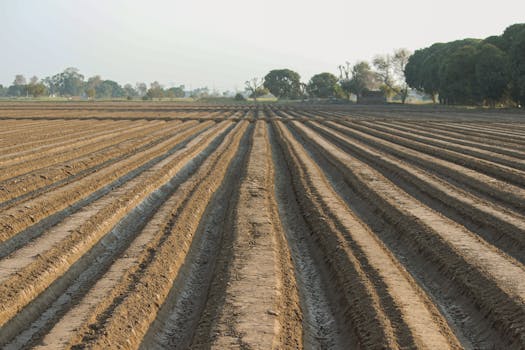
This is one of the most important distinctions a foreign buyer must understand before looking at any plot in Morocco. Two plots can sit next to each other and be treated completely differently under Moroccan law. The classification determines what you can buy, what you can build, and what risks you are taking.
| Land Type | Can Foreigners Buy It? | Main Risk | What to Verify |
|---|---|---|---|
| Clean titled urban land | Generally yes | Low if title is clean and classification confirmed | Titre Foncier, zoning, buildability, road access |
| Urban land without clean title | Technically possible but high risk | Ownership disputes, registration delays, legal exposure | Full title verification with notary before any payment |
| Land outside urban perimeter | Usually restricted or complex | May appear urban but not officially classified as such | Verify urban perimeter with local Agence Urbaine or municipality |
| Agricultural land | Generally no for direct foreign ownership | Legal restrictions apply regardless of nationality | Confirm classification with official authority; seek qualified Moroccan legal advice |
| Land with VNA/AVNA issue | Proceed with caution | Project may be blocked without correct agricultural vocation waiver | Confirm VNA/AVNA status with notary, urban agency, and lawyer |
| Land with unclear zoning | Proceed with caution | Cannot build, sell, or develop easily | Request note de renseignement urbanistique before signing anything |
| Land promoted as “buildable” but unverified | Do not proceed without verification | Seller claims may not reflect official zoning or permit reality | Verify with architect and local urban agency before paying deposit |
| Landlocked land with no legal road access | Land may be purchasable, but use is severely limited | Cannot develop or build without crossing another owner’s land | Physical inspection and municipality confirmation before purchase |
Urban Perimeter: Why “Looks Urban” Is Not Enough
This is the most common trap I have seen foreign buyers fall into. A plot can be surrounded by villas, roads, cafes, expanding neighborhoods, and the visible footprint of a growing city — and still legally fall outside the official urban perimeter.
The official urban perimeter is set by Moroccan urban planning authorities, not by appearances. What matters is whether the plot is covered by an approved plan d’aménagement and whether local planning rules actually permit the type of project the buyer intends.
Before committing to any plot, a buyer should confirm all of the following:
- Is the land officially inside the approved urban perimeter?
- Is it covered by a plan d’aménagement or other urban planning document?
- What is the official zoning designation: residential, commercial, mixed-use, tourism, industrial, or agricultural?
- Does the zoning permit the buyer’s intended project?
- Is road access legal, confirmed, and not dependent on crossing another person’s property?
- Are water and electricity connections available and connectable to this specific plot?
Verification must be done with the local Agence Urbaine or municipality directly. Do not rely on the seller, the agent, or the appearance of neighboring plots.
I saw this directly with one client. He found a plot just outside Marrakech. Big land. Cheap price. Nice views. Everything looked right. But something felt off. When we checked with local authorities, the land was not urban. It was agricultural. Had he proceeded without checking, he would have faced serious legal problems. The land looked urban. It was not officially urban.
What Is VNA / AVNA in Morocco?
VNA stands for Vocation Non Agricole. AVNA stands for Attestation de Vocation Non Agricole. These terms come up when land sits outside the urban perimeter or has a potential agricultural classification that needs to be officially addressed before development or sale to a foreigner.
Here is what foreign buyers need to understand:
- Urban land that is correctly classified and inside the urban perimeter generally does not require VNA or AVNA.
- Land outside the urban perimeter, or land with an ambiguous agricultural-vocation history, may require VNA/AVNA or equivalent official confirmation before a buyer’s project can proceed.
- A plot can look and feel like urban land while legally still requiring this process.
- If VNA/AVNA is required and missing, the buyer’s planned development can become blocked — even after purchase.
- Sellers and agents sometimes use loose language like “zone villa” or “will be urbanised soon.” That is not the same as having confirmed, clean VNA/AVNA status.
Always verify VNA/AVNA status with a notary, the local Agence Urbaine, the municipality, and a qualified Moroccan lawyer before paying anything. Read more in the detailed guide on the AVNA certificate in Morocco for foreign buyers.
Already considering a property?
See the 14 Day Buyer Plan: $299 →
Get 14 days of personal buyer support, three private calls and WhatsApp support.
Get help reviewing up to three properties before you commit money.
Can Foreigners Buy Agricultural Land Through a Moroccan Company or Special Structure?

Foreigners generally cannot directly own agricultural land in Morocco. This restriction applies regardless of nationality and is the main legal limitation that foreign buyers need to understand before looking at any plot.
Some buyers ask whether company structures, long-term leases, VNA/AVNA routes, or investment vehicles can provide access to agricultural or rural land. These arrangements can be complex, are not standardised, and the rules around them can change. This is not the kind of situation to navigate based on general information or what an agent tells you.
For normal foreign buyers looking to purchase land for residential, investment, or villa development purposes, the safest and cleanest route is properly titled urban land where the legal framework is clear and foreign ownership is generally permitted.
If you are considering agricultural land, rural land, a larger development project, or any company structure, get qualified Moroccan legal advice before any money moves. Laws and procedures must be verified with a licensed Moroccan lawyer, a notary, and the relevant authorities at the time of your specific transaction.
What Foreign Buyers Must Check Before Buying Urban Land
Here is exactly what needs to be verified before any serious money moves. None of these steps are optional on a decision of this size.
| What to Check | Why It Matters | Who Confirms It |
|---|---|---|
| Titre Foncier | Confirms the property is officially registered with a clean title | Notary or ANCFCC |
| Certificat de Propriété | Confirms current ownership and any registered charges, liens, or mortgages | Notary or ANCFCC |
| Land classification | Confirms the land is officially urban, not agricultural or outside the perimeter | Local Agence Urbaine or municipality |
| Zoning and building rules | Confirms what can be built, at what height and density, and whether the buyer’s project is permitted | Local Agence Urbaine; request a note de renseignement urbanistique |
| VNA/AVNA status | Confirms land outside the urban perimeter does not have a blocking agricultural-vocation issue | Notary, local Agence Urbaine, municipality, qualified lawyer |
| Existing mortgages or charges | Ensures no debt or legal claim is attached to the title | Notary via title search and fresh Certificat de Propriété |
| Road access | Land without confirmed legal road access cannot be developed or built on easily | Physical inspection and municipality confirmation |
| Water and electricity | Connection availability affects development cost, timeline, and project viability | Local utility providers and municipality |
| Building permit possibility | Confirms a permit can realistically be obtained for the buyer’s intended project | Local Agence Urbaine or licensed architect |
| Seller identity and ownership | Confirms the person selling is the legal owner of record | Notary via Titre Foncier and identity documents |
If a seller or agent resists any of these checks, treat that as a serious warning.
Titre Foncier, ANCFCC, and Certificat de Propriété

Titre Foncier is Morocco’s official registered property title. It is held by the Agence Nationale de la Conservation Foncière (ANCFCC), Morocco’s national land registry authority. The document records the owner’s name, the boundaries of the land, and any mortgages, servitudes, or legal charges registered against the property.
For foreign buyers, a clean Titre Foncier is the most important document in any land purchase. Without it, the legal basis of ownership is significantly weaker.
The Certificat de Propriété is a separate but equally important document. It is issued by the ANCFCC and confirms the current legal owner along with any registered charges, liens, or encumbrances at the time of issue. A fresh certificate matters, an old document provided by the seller may not reflect the current legal status of the title.
A notary must verify both documents before any deposit is paid. Screenshots, photocopies, or documents provided informally by the seller are not sufficient. You can also request verification directly through the official ANCFCC property certificate service. For a deeper explanation of how to approach this, see the guide on how to verify a title deed before buying property in Morocco.
Understanding the difference between a Titre Foncier and a Melkia is also important, especially if you encounter plots that are not yet formally registered. Read more about Melkia vs Titre Foncier for foreign buyers.
Note de Renseignement Urbanistique: The Document Buyers Forget
This is one of the most important documents in any land purchase, and one of the most commonly overlooked by foreign buyers.
The note de renseignement urbanistique is an official planning information document that confirms what can legally be done with a specific plot. It is issued by the local Agence Urbaine or relevant planning authority and sets out the rules that apply to that land at the time of issue.
In simple terms, it is the document that tells you what the land is legally allowed to become.
Before signing anything or paying a deposit, a buyer should request this document and confirm the following:
- Official zoning designation and permitted land use
- Whether residential, commercial, tourism, or other development is allowed
- Maximum permitted building height
- Floor area ratio and density limits
- Required setbacks from plot boundaries
- Whether road access is legally confirmed
- Whether a building permit is realistically obtainable for the buyer’s intended project
Buying land is one thing. Being able to use it as intended is another. This document closes that gap before commitment, not after.
Can a Foreigner Build a Villa on Urban Land in Morocco?
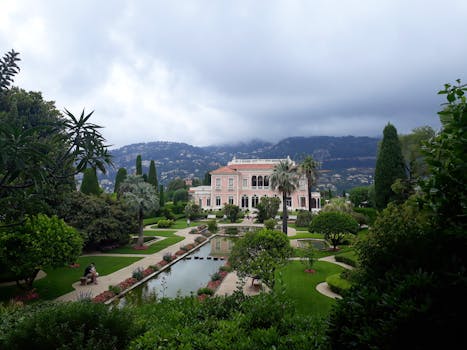
Buying urban land does not automatically mean you can build anything you want on it. Zoning rules for a specific plot determine what can be built, at what height, at what density, and how far from plot boundaries. These rules vary by area and are set by the local planning authority.
Around Marrakech in particular, planning rules can be strict in certain zones, especially near the medina or in areas undergoing rapid development. Coastal areas and fast-growing suburbs may have additional restrictions.
Before committing to any land purchase, confirm the following with a local architect or the Agence Urbaine:
- Is a building permit realistically obtainable for this specific plot?
- What type of structure is permitted under current zoning?
- Are there height restrictions or floor area limits that affect your project?
- Is road access confirmed and legally documented?
- Can water and electricity be connected to this plot?
For an idea of what construction typically costs once you have land, see the guide on the cost to build a house in Morocco. That said, buildability confirmation must come before the purchase, not after.
Step-by-Step Process for Buying Urban Land in Morocco

When the land is clean, the buying process is quite structured. Here is how it usually goes.
- Choose the land. Identify a plot that meets your requirements. Do not commit or pay anything yet.
- Verify the Titre Foncier. Confirm it is clean, registered in the seller’s name, and free of disputes or charges. Do this through a notary or directly via the ANCFCC.
- Confirm the official urban classification. Check with the local Agence Urbaine or municipality that the land is officially classified as urban, not agricultural or outside the perimeter.
- Request the note de renseignement urbanistique. Confirm zoning, permitted use, height and density limits, and whether the buyer’s intended project is allowed.
- Confirm road access and utilities. Verify with the municipality and utility providers that access and connections are available and legally documented.
- Sign the preliminary agreement. Once due diligence is satisfactory, a preliminary sale contract (compromis de vente) is signed and a deposit is paid. Understand what you are signing before this step. See the guides on the compromis de vente in Morocco for foreigners and the property deposit process in Morocco for foreigners.
- Notary completes due diligence. The notary verifies ownership, checks for mortgages or charges, and confirms the full legal position before the final sale.
- Final deed signing. The final sale contract is authenticated in front of the notary. All fees, taxes, and notary costs are settled at this stage.
- Registration in the buyer’s name. The notary submits the transfer to the ANCFCC. The Titre Foncier is updated to reflect the foreign buyer as the new owner.
Foreign buyers should also make sure purchase funds move through official banking channels, with documentation kept for future proof of transfer and potential repatriation later.
The delays I have seen consistently come from unclear ownership, missing documents, or wrong land classification. Verify everything before step six.
Real Risks I Have Seen When Foreigners Buy Land
Cheap land that is cheap for a reason. Every time I have seen land priced significantly below the market, there was a problem. Missing title, disputed ownership, wrong classification, no road access, or a VNA issue. Cheap is not a deal. It is usually a warning sign.
Land that looks urban but is not officially urban. This is the most common trap. A plot can be surrounded by buildings, have villas on all sides, and still fall outside the official urban perimeter. The only way to know is to check with the Agence Urbaine or municipality directly.
Missing road access. Some plots are landlocked. The land may have a clean title but be physically inaccessible without crossing another person’s property. This must be confirmed before purchase.
Verbal promises from sellers or agents. If it is not in an official document, it does not exist. Promises about future zoning changes, upcoming urbanisation, or pending permits are not a legal basis for a purchase decision.
Paying a deposit before verification is complete. A deposit paid before due diligence is finished is a deposit at risk. Always verify title, classification, zoning, and buildability before signing or paying anything.
Skipping the notary. Some buyers try to save money by avoiding the notary or using informal arrangements. In buying property in Morocco as a foreigner, the notary is not optional. They are your legal protection.
Assuming the purchase means you can build. Ownership and buildability are separate questions. Verify what you can actually do with the land before you buy it.
Utility connection problems discovered after purchase. Some plots cannot be connected to water or electricity at reasonable cost. Check before committing.
Safe Route vs Risky Route
| Safe Route | Risky Route |
|---|---|
| Clean Titre Foncier confirmed by notary | Melkia, unclear title, or seller’s copy only |
| Official urban classification confirmed with Agence Urbaine | Seller says “it is urban” with no official confirmation |
| Note de renseignement urbanistique obtained before signing | No zoning document; buyer assumes buildability |
| Deposit paid after full due diligence is complete | Deposit paid to “hold the plot” before checks are done |
| Payment via official bank transfer with paper trail | Cash payment or informal transfer |
| Licensed Moroccan architect confirms building permit is obtainable | Buyer assumes villa construction is allowed based on surrounding area |
| Road access confirmed and legally documented | Landlocked plot discovered only after purchase |
| Water and electricity connection verified with utility providers | Buyer assumes utilities are easily available |
| VNA/AVNA status confirmed if land is near perimeter boundary | Seller says “no problem” — no official document provided |
What Most Websites Will Not Tell You
- Many land problems are not visible during a site visit. A clean-looking plot can have a title dispute, a classification issue, or a VNA problem that only surfaces during official verification.
- Agents sometimes use “urban soon,” “zone villa,” or “buildable land” loosely. These phrases are not official designations. Verify the actual planning status.
- A plot near existing houses or villas is not automatically inside the urban perimeter or legally buildable. Geography is not zoning.
- Cheap land is often cheap because something is complicated, a title problem, a classification issue, no road access, or a pending dispute.
- The notary is essential, but buyers should verify land use and classification before they become emotionally committed to a plot. By the time most buyers involve a notary, they are already attached to the purchase.
- Getting a building permit is a separate process from owning land. Ownership does not create the right to build whatever you want.
- The safest buyers are not the fastest buyers. Taking time to verify saves significantly more than it costs.
What About American Buyers?

Americans can generally buy clean, titled urban land in Morocco, following the same process as other foreign buyers. There is no nationality-specific restriction that singles out US citizens for urban land purchases.
The same rules apply: the land must have a verified Titre Foncier, confirmed urban classification, checked zoning, and the purchase must be handled through a licensed notary. This matters especially for Americans buying from abroad, often relying on agents, photos, and promises from people on the ground. That is not sufficient due diligence. A plot can look perfect and still have a title problem, a VNA issue, or a buildability restriction.
For a detailed guide covering what US buyers can generally own, where the risks are, and what to check before sending money to Morocco, see the dedicated article: Can Americans Buy Land in Morocco?
FAQ: Foreigners Buying Urban Land in Morocco
Can foreigners buy urban land in Morocco?
Yes, foreigners can generally buy urban land in Morocco in their own name. The land must be officially classified as urban and carry a clean Titre Foncier. A Moroccan partner is not usually required. Always verify title, classification, and zoning with a licensed notary before making any payment.
Can foreigners own land in Morocco?
Foreigners can generally own urban land in Morocco. The main restriction is agricultural land, which foreigners generally cannot own directly under Moroccan law. For clean, titled urban land, the process follows the same registration steps as for Moroccan nationals, handled through a notary and registered with the ANCFCC.
Can foreigners buy land outside the urban perimeter?
This is generally restricted or requires additional legal steps. Land outside the urban perimeter may have an agricultural classification or require VNA/AVNA confirmation before any project can proceed. Verify the exact status of any such land with the local Agence Urbaine, municipality, and a qualified Moroccan lawyer before considering a purchase.
What is VNA or AVNA in Morocco?
VNA stands for Vocation Non Agricole and AVNA stands for Attestation de Vocation Non Agricole. These are relevant for land that sits outside the urban perimeter or has a potential agricultural vocation. Urban land inside the perimeter generally does not need this. Land outside may require it before development can proceed. Verify with a notary, Agence Urbaine, and qualified lawyer. See the full guide on the AVNA certificate in Morocco.
Do foreigners need a Moroccan partner to buy urban land?
No. For clean, titled urban land, a foreign buyer does not generally need a Moroccan partner. The purchase can be completed in the foreign buyer’s own name. If an agent or seller tells you otherwise, verify directly with a licensed Moroccan notary.
Can foreigners buy agricultural land in Morocco?
Generally, no. Foreigners cannot directly own agricultural land in Morocco. This restriction applies regardless of nationality. Some complex legal or investment structures may exist in specific circumstances, but these require qualified Moroccan legal advice. Most foreign buyers are better served by focusing on clean, titled urban land.
Can Americans buy urban land in Morocco?
Yes. Americans can generally buy clean, titled urban land in Morocco following the same process as other foreign nationals. There is no specific restriction that applies to US citizens for urban land. The same verification steps apply. Read the dedicated guide on Americans buying land in Morocco for more detail.
Can foreigners buy land in Marrakech?
Yes, foreigners can buy urban land in Marrakech. The city has seen many foreign buyers successfully purchase plots and complete villa and riad projects. The process is the same as anywhere in Morocco: verify the Titre Foncier, confirm urban classification, check zoning, and complete the purchase through a notary.
Can foreigners build a villa on urban land in Morocco?
Buying urban land does not automatically give you the right to build whatever you want on it. Zoning rules, height limits, density restrictions, and road access requirements all apply to the specific plot. Before purchasing, confirm buildability and permit viability with the local Agence Urbaine or a licensed architect.
What is a note de renseignement urbanistique?
It is an official planning information document issued by the local Agence Urbaine. It confirms zoning, permitted use, height and density limits, setback requirements, and whether a building permit is realistically obtainable for the specific plot. Request it before signing anything or paying a deposit.
How do I know if land is really urban in Morocco?
The official classification is determined by Moroccan urban planning authorities, not by how the land looks. To confirm, check with the local Agence Urbaine or municipality. You can also request a note de renseignement urbanistique. Do not rely on the seller, the agent, or the appearance of the surrounding area.
Should I pay a deposit before checking zoning?
No. A deposit paid before zoning, classification, and title are fully verified is a deposit at risk. Always complete due diligence before signing a preliminary agreement or paying any amount.
Is buying urban land in Morocco safe for foreigners?
Yes, when the process is done correctly. Morocco has a structured property registration system. When the land is titled, urban, properly classified, and the purchase is handled through a licensed notary, the risks are manageable. Problems arise from shortcuts: skipping verification, trusting verbal assurances, or paying before due diligence is complete. See the guide on how to avoid property scams in Morocco for more on what to watch for.
Should I use a notary when buying land in Morocco?
Yes, always. In Morocco, the notary is a mandatory and essential part of any property transaction. They verify the Titre Foncier, check for existing charges or disputes, draft and authenticate the sale contract, and register the transfer with the ANCFCC. For a foreign buyer, the notary is your most important layer of legal protection. Read more about buying property through a notary in Morocco.
Final Answer
Can foreigners buy urban land in Morocco? Yes. Generally, they can, and I have seen it happen many times without issues or complications.
The main restriction is agricultural land, which foreigners generally cannot directly own. A Moroccan partner is not required for clean, titled urban land.
The key is doing it safely: verify the Titre Foncier, confirm the official land classification, check the urban perimeter, request the note de renseignement urbanistique, confirm VNA/AVNA status if relevant, and complete the purchase through a licensed notary before any money is paid.
Morocco rewards careful buyers. The problems usually start when people rush, trust verbal promises, or pay before verification is complete.
Already considering a property?
See the 14 Day Buyer Plan: $299 →
Get 14 days of personal buyer support, three private calls and WhatsApp support.
Get help reviewing up to three properties before you commit money.

Anis is the founder of Buy Property Morocco, a research-based resource created to help foreign buyers understand the real process of buying property in Morocco safely.
He focuses on the practical details most buyers only discover too late: title deed checks, notary steps, compromis de vente risks, transfer taxes, foreign banking rules, repatriating money after a sale, and avoiding common mistakes when dealing with agents or sellers.
Anis has personally bought 4 properties in Morocco and shares practical guidance based on real experience, not theory.
If you are seriously considering buying property in Morocco and want private guidance before you send money, pay a deposit, or sign anything, you can book a buyer safety call here: