Yes, buying property in Morocco can be safe for foreigners.
The danger is not Morocco itself.
The danger is buying the wrong type of property, trusting the wrong person, or paying before the title and the seller are properly checked.
Short safety rule: Morocco can be safe when the property is registered, the seller is verified, the money is traceable, and the final deed is registered in your name.
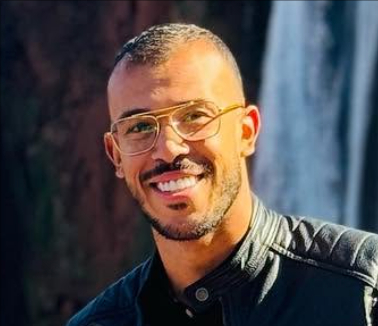
I’m Anis Chity, based in Marrakech.
I’ve personally bought 4 properties in Morocco and created Buy Property Morocco to help foreign buyers avoid the mistakes I had to learn the hard way.
Many foreigners who run into trouble simply did not know what to check before they paid.
Before you pay a deposit, download the free Morocco Property Buyer Checklist.
It walks you through the exact title, seller, and money checks to complete before you send a single dirham.
Get the Free Morocco Property Buyer Checklist
AT A GLANCE: MOROCCO PROPERTY FOR FOREIGNERS
- Foreigners can buy property in Morocco with the same rights as Moroccan citizens for most property types
- You should pay in foreign currency transferred through a Moroccan bank (this protects your right to repatriate money later)
- For ordinary titled residential or commercial property, there is generally no fixed limit on how many properties a foreigner can own
- Completing the purchase through a notaire is usually the safest practical route for a foreign buyer, especially when buying titled property
- Always verify the title deed (Titre Foncier) before paying anything
- Budget roughly 7 to 10% on top of the purchase price for taxes and fees, and confirm the exact figures with your notaire
- Scams exist, mostly targeting buyers who skip due diligence or rush the process
Safe vs Risky vs Avoid: A Quick Guide
Use this table to size up a property before you get emotionally attached to it.
| Property situation | Safety level | What to do before paying |
|---|---|---|
| Apartment or villa with clean Titre Foncier | Safer | Verify the title extract and the seller identity |
| Medina riad with Melkia | Risky | Use a lawyer who knows Melkia and confirm full ownership |
| Property en cours d’immatriculation | Risky | Wait for full registration or get legal protection in writing |
| Agricultural or rural land | Avoid for most foreign buyers | Confirm the rules and zoning with a notaire first |
| Seller wants cash outside the banking system | Avoid | Stop, and pay only through a Moroccan bank |
| Agent refuses to give the title number | Avoid | Do not pay, because no title number means no verification |
| Off plan property with unclear permits | Risky | Check the building permit and the developer with a lawyer |
| Inherited property with multiple heirs | Risky | Confirm every heir agrees and signs |
Can Foreigners Legally Own Property in Morocco?
Yes.
Foreigners can legally own most types of property in Morocco, with the same ownership rights as a Moroccan citizen.
This includes apartments, villas, riads, and urban land that is properly titled.
The main exception is agricultural land, which is restricted for foreign buyers.
If a deal involves land of any kind, confirm the exact rules with a notaire before you commit.
How Buying Property in Morocco Actually Works
Morocco has a modern property registration system.
It is run by the Conservation Foncière, the local arm of the ANCFCC, which is the official land registry. When a property is registered there, it has what is called a Titre Foncier.
A clean and current Titre Foncier (العقار المحفظ, a registered titled property) is the strongest and safest proof of registered ownership for a foreign buyer.
If a property does not have a Titre Foncier, you are taking a serious risk.
Some older properties run on a Melkia system (الملكية), which is a traditional ownership record. Melkia titles are far more complicated and carry much higher legal risk for foreigners.
A non titled property can also be harder to finance, harder to resell, and harder for a future buyer to trust.
What Makes a Moroccan Property Safe?
A property is safer for a foreign buyer when four things are true.
- It is registered with a clean Titre Foncier
- The seller is verified and has full authority to sell
- The money moves through a Moroccan bank, never as cash on the side
- The final deed is registered in your name at the Conservation Foncière
When any of these is missing, the risk goes up fast.
The Step by Step Process (Real World, Not Theory)
- Find a property you are interested in
- Ask the seller for the Titre Foncier number
- Verify the title at the Conservation Foncière yourself or through a lawyer
- Agree on a price and sign a preliminary contract (Compromis de Vente)
- Pay your deposit (10% is standard, never more at this stage)
- Transfer the purchase funds from your home country through a Moroccan bank
- Sign the final deed in front of a notaire
- Register the property in your name at the Conservation Foncière
That last step is where many buyers get lazy.
They sign the deed and leave Morocco thinking everything is done. The registration must be completed or you are not legally protected as the owner.
My Real World Experience Buying Property in Marrakech
I did not learn this from a textbook.
Across 4 purchases in Morocco, the same safety lessons kept coming back.
More than once, a deal that felt done fell apart when the seller changed their mind or changed what was included, which taught me not to trust verbal promises.
My first successful purchase was a ground floor apartment with a small shop, the kind of titled property in Marrakech that is hard to find today.
The price moved a lot during talks, which is why I tell buyers that negotiation can change the number and the first price is rarely the last.
I also paid a small guarantee deposit before everything was fully checked.
It worked out, but it was a risk, and I would not repeat that early deposit mistake today.
The shop already had a tenant, and the lease could not simply be rewritten until the property was registered in my name.
That taught me to always check the lease situation before buying a property that has a tenant.
In the end, registration in my name is what actually made me the legal owner, not any promise or handshake.
It was my first time, I leaned heavily on trust, and it went well, but it could easily have gone wrong without proper checks.
What I Would Never Do Again as a Foreign Buyer in Morocco
- I would never pay a deposit before checking the title situation
- I would never rely only on what an agent or a local contact tells me
- I would never treat a Melkia property like a simple titled apartment
- I would never ignore the money trail through a Moroccan bank
- I would never rush because someone says another buyer is waiting
- I would never assume the first price is the final price
Biggest Mistakes Foreigners Make When Buying in Morocco
Paying Cash Outside the Banking System
This can damage your right to take your money out of Morocco when you sell.
You generally need to prove the funds came in through a Moroccan bank.
If you cannot prove that, repatriating the proceeds later becomes very difficult, so confirm the rules with your bank and the Office des Changes.
Trusting an Agent Without Checking Their Credentials
Many agents in Morocco are honest and helpful, but the profession is loosely regulated, so almost anyone can call themselves an estate agent.
Ask for a professional card (Carte Professionnelle d’Agent Immobilier) and still verify everything independently.
Signing a Compromis de Vente Without a Lawyer
This preliminary contract is legally binding. If it is poorly written, you can lose your deposit with little recourse.
Buying Unregistered or Rural Land
Rural land can have multiple family claimants.
Even if the seller shows you papers, the land may carry disputes you cannot see.
Do not judge land only by how it looks.
A villa can look residential but still sit on land with rural or agricultural classification.
Always verify the zoning, urban perimeter, and non agricultural status before treating it as a safe residential purchase.
Rushing Because of Pressure From an Agent or Seller
Morocco has a culture of negotiation and patience. If someone is pushing you to decide in 24 hours, treat it as a warning sign.
Biggest Scams and Red Flags
These are the patterns I tell every buyer to watch for, and the heart of how to avoid property scams in Morocco.
The UK government also publishes official guidance for British nationals buying property in Morocco, including notes on legal advice and fraud.
Fake or Outdated Title Documents
A seller can present a document that looks like a Titre Foncier.
It can be forged or simply out of date.
Verify the title directly at the Conservation Foncière using the title number. Do not rely on a photocopy the seller hands you.
Fake or Abused Power of Attorney
Be careful when someone says they are selling on behalf of the owner through a power of attorney, also called a procuration.
The document may look official, but your notaire or lawyer still needs to verify that it is valid, current, and actually gives that person the right to sell the property.
If the real owner is abroad or absent, slow down and verify everything before paying a deposit.
Double Selling
A seller takes deposits from two different buyers for the same property.
This is more of a risk with off plan or under construction properties.
One buyer gets the property, and the other can spend a long time trying to recover money.
Unregistered Property Sold as Registered
Some sellers say a property is en cours d’immatriculation, meaning registration is in process.
This sounds official, but it means the property is not yet fully registered.
You do not have full legal protection until that process completes.
It can take a long time and sometimes does not complete at all.
Agents Working for the Seller While Pretending to Help You
Double agency can happen. An agent shows you around, earns your trust, and takes commission from both sides. Their loyalty may sit with the seller. You need your own independent legal counsel.
Inheritance and Family Disputes
Even registered properties can have hidden family complications.
A seller who inherited a property may not have consent from all co heirs.
This is more common in medina properties and family homes.
A lawyer doing due diligence will look for this. Skipping that step will not.
The Safety Checks Before You Pay a Deposit
Run through this list before you send any money.
- Ask for the Titre Foncier number
- Verify the title at the Conservation Foncière or through a lawyer
- Check the seller’s identity against the name on the title
- Check that the property is not subject to seizure, expropriation, a mortgage, a long lease, or any registered restriction
- Confirm all heirs or co owners agree to sell
- Confirm the property is not agricultural land unless it is properly cleared
- Use a notaire for the sale
- Use an independent lawyer for buyer side protection
- Never buy the property in someone else’s name, even if they are helping you locally
- Do not sign any document you do not fully understand in Arabic, French, or English
- Pay the deposit safely, ideally through the notaire or with clear written proof
- Transfer money through a Moroccan bank and keep all bank proof for future repatriation
- Complete the registration in your name
If a seller or agent will not let you complete these checks, that is your answer.
Use this checklist before you send money, sign anything, or trust a seller’s paperwork.
It puts every step above into one simple file you can follow while you view properties.
Download the Free Morocco Property Buyer Checklist
Costs, Taxes, and Approximate Numbers
| Cost | Approximate Amount |
|---|---|
| Registration Tax (Droits d’Enregistrement) | Around 4% of purchase price |
| Notaire Fees | Around 1 to 1.5% of purchase price |
| Land Registry Fee | Around 1 to 1.5% of purchase price |
| Agent Commission | Around 2 to 2.5% (sometimes paid by seller) |
| Legal Fees (recommended) | Varies with complexity |
| Annual Property Tax (Taxe d’Habitation) | Varies, new builds are often exempt for the first years |
| Capital Gains Tax on Sale (Plus Value Immobilière) | Around 20% of profit, with a minimum based on sale price |
When I bought, there were several separate costs at the notary, not one simple fee.
Budget roughly 7 to 10% on top of your purchase price for everything combined.
These figures are approximate, so confirm the exact rates for your transaction with your notaire and the DGI before you commit.
How to Verify Everything Safely
Verify the Titre Foncier Yourself
Go to the Conservation Foncière or use the ANCFCC property certificate service with the title number.
You can also ask your notaire or lawyer to help you request and review the current property certificate.
This can show the registered owner, registered charges, mortgages, and other issues attached to the title.
Hire an Independent Moroccan Lawyer (Avocat)
Not the notaire. Not the agent. Your own lawyer who works only for you. The protection is worth it.
Use a Moroccan Bank for Your Transfer
Move your purchase funds from abroad into a Moroccan bank account, ideally a convertible dirham account (compte en dirhams convertibles).
Keep every transfer receipt and bank document.
This paper trail is your lifeline if you ever want to sell and take money out.
Check the Seller’s Identity Documents Carefully
A notaire is required to verify identity, but extra care never hurts.
Ask for a national ID or passport and cross check it with the name on the title.
Who Protects You: Agent, Notaire, Lawyer, Bank
Each role does something different, and only one of them works for you alone.
| Who | What they do for you |
|---|---|
| Agent | Introduces and sells the property. Often paid by the seller, so not your protector. |
| Notaire | Makes the sale official, checks documents, handles registration and taxes. Neutral, not your advocate. |
| Your own lawyer (Avocat) | Protects your personal interest and runs due diligence on the deal. |
| Moroccan bank | Creates the money trail you need to repatriate funds when you sell. |
Many agents are honest and do good work, but you should still verify everything independently.
Payment Safety and Repatriation
Pay through the banking system, never as cash on the side.
Use a Moroccan bank or a convertible dirham account where appropriate, and keep every receipt.
Morocco has exchange controls overseen by the Office des Changes, which publishes the settlement and document rules for foreign non residents.
You can usually repatriate funds when the original money trail is properly documented, but you must confirm the exact process for your situation.
Confirm the exact transfer mechanism with your bank, your notaire, and the Office des Changes before you send funds.
What Most Websites Won’t Tell You
The Notaire Is Neutral, Not Your Advocate
Many foreigners assume the notaire is there to protect their interests. The notaire’s job is to make sure the transaction is legal and to collect the state taxes. They are neutral, so you still need your own lawyer.
Some Developers Are Not Licensed
Off plan buying is popular in Morocco. But not every developer has the proper permits. Always ask for the autorisation de construire and check it against the local commune. A good lawyer will do this for you.
The Medina Is Beautiful but Legally Complex
Old medina properties in Fez, Marrakech, and other cities are often not registered. They run on traditional Melkia ownership. They can be bought, but the legal work is much heavier. Do not buy a medina property without a lawyer who knows this area well.
If you are drawn to a riad, read up on the legal risks of buying a riad in Marrakech first.
Renovation Costs Are Always Underestimated
Riads especially can need significant renovation. Quotes from local contractors often grow by the time the work is done. Add a generous buffer to any renovation estimate before you buy.
Frequently Asked Questions
Is It Safe to Buy Property in Morocco as a Foreigner?
Yes, it can be safe when the property is properly registered, the seller is verified, the money trail is clean, and you complete due diligence before paying a deposit.
Can Foreigners Legally Own Property in Morocco?
Yes, foreigners can own property in Morocco with full ownership rights for most property types. Agricultural land is restricted and should be confirmed with a notaire.
Can Americans Buy Property in Morocco?
Yes. American buyers can own titled residential and commercial property, with the same checks as any other foreign buyer.
Can UK Citizens Buy Property in Morocco?
Yes. UK citizens can buy and own property in Morocco, and the same title, notaire, and bank transfer rules apply.
Can Europeans Buy Property in Morocco?
Yes. European buyers face no special restriction for most property types, beyond the agricultural land limits.
Can Foreigners Buy Land in Morocco?
Foreigners can buy titled urban land, but agricultural land is restricted. Always confirm the land type and zoning with a notaire before paying.
Is Melkia Safe for Foreigners?
Melkia is riskier than titled property because ownership is based on traditional records rather than the land registry. It can be bought, but only with a lawyer who specializes in it.
Is Titre Foncier Safe?
A clean Titre Foncier is the safest basis for a purchase, because it is registered and verifiable at the Conservation Foncière. You still need to verify the current extract, not just a photocopy.
Do I Need a Lawyer to Buy Property in Morocco?
A lawyer is not legally required, but for a foreign buyer it is strongly recommended. The notaire is neutral, so a lawyer is the only person working for your interest alone.
Is the Notary Enough to Protect Me?
The notaire makes the sale legal and handles registration, but they are neutral and do not represent you. Pair them with your own lawyer.
Can I Get Scammed Buying Property in Morocco?
Yes, mostly when buyers skip the title check, trust paperwork at face value, or pay deposits before due diligence. The checks in this guide are designed to lower those risks.
What Is the Safest Property Type for Foreigners in Morocco?
An apartment or villa with a clean Titre Foncier and a verified seller is generally the safest starting point.
What Is a Procuration in a Moroccan Property Sale?
A procuration is a power of attorney that lets one person act for the owner. Your notaire or lawyer must confirm it is valid and gives a real right to sell before you pay anything.
Can a Foreigner Buy Property in Someone Else’s Name in Morocco?
You should not. Buying in another person’s name, even a trusted local contact, can cost you control of the property and is a serious risk.
Can a Villa Be on Agricultural Land in Morocco?
Yes. A villa can look fully residential but still sit on land with rural or agricultural classification, so always verify the zoning before you buy.
What Should I Check Before Signing a Moroccan Property Document?
Confirm the title, the seller’s authority, any charges or restrictions, and that you fully understand the document before you sign anything.
Should I Pay a Deposit Before Checking the Title?
No. Verify the title first. I once paid a small deposit before everything was confirmed, and although it worked out, it was a risk I would not repeat.
Can I Take My Money Out of Morocco When I Sell?
Usually yes, if you can prove the original purchase funds entered through a Moroccan bank. Keep every transfer receipt and confirm the process with the Office des Changes.
What Is the Biggest Red Flag When Buying Property in Morocco?
A seller or agent who will not give you the title number, or who pushes you to pay quickly before you can verify anything.
What Taxes Will I Pay When Buying?
- Registration tax: around 4% of the purchase price
- Notaire fees: around 1 to 1.5%
- Land registry fee: around 1 to 1.5%
- Total: budget roughly 7 to 10% on top of your purchase price, and confirm with your notaire
What Taxes Will I Pay When Selling?
Capital gains tax in Morocco is around 20% of your profit.
There is a minimum based on the sale price, and a long holding period may qualify for relief.
A tax advisor in Morocco and the DGI can confirm the exact figures before you sell.
Do I Need a Moroccan Bank Account?
Effectively yes. Your purchase funds need to move through the Moroccan banking system in a documented way to protect future repatriation. Your notaire and lawyer can guide you on the exact mechanism.
Can I Rent Out My Property in Morocco?
Yes, rental income is permitted for foreign owners. Short term holiday rental is common, especially in Marrakech. You must declare rental income to Moroccan tax authorities.
Final Thoughts
Morocco is not automatically unsafe for foreign buyers.
The legal framework exists, and the protections are real.
The risk comes from skipping verification.
The safest path is titled property, independent checks, bank transfer proof, and proper registration through a notaire.
Do these four things and Morocco becomes one of the most accessible property markets in North Africa.
- Get a property with a registered Titre Foncier
- Hire your own independent lawyer
- Transfer your money through a Moroccan bank
- Complete the registration in your name after signing
This is practical buyer guidance, not legal advice. For a specific transaction, use a qualified Moroccan lawyer or notaire, and confirm title, tax, banking, and repatriation points with the relevant Moroccan authorities.
Before you pay a deposit, send money, or trust a seller’s paperwork, get my free checklist.
It is the simplest way to make sure you do not skip a safety step.
Download the Free Morocco Property Buyer Checklist
Already found a property and something feels off?
Send me the basic details on WhatsApp, and I can help you spot the red flags to check before you move forward.

Anis is the founder of Buy Property Morocco, a research-based resource created to help foreign buyers understand the real process of buying property in Morocco safely.
He focuses on the practical details most buyers only discover too late: title deed checks, notary steps, compromis de vente risks, transfer taxes, foreign banking rules, repatriating money after a sale, and avoiding common mistakes when dealing with agents or sellers.
Anis has personally bought 4 properties in Morocco and shares practical guidance based on real experience, not theory.
If you are seriously considering buying property in Morocco and want private guidance before you send money, pay a deposit, or sign anything, you can book a buyer safety call here: