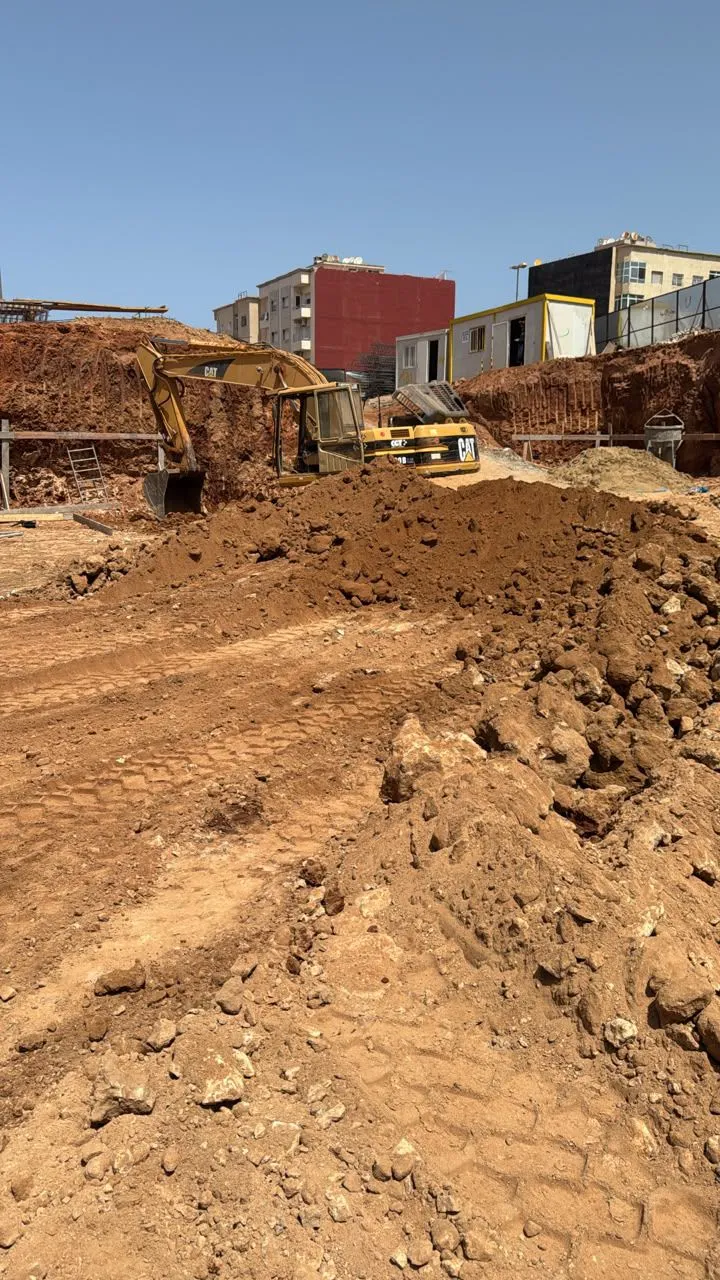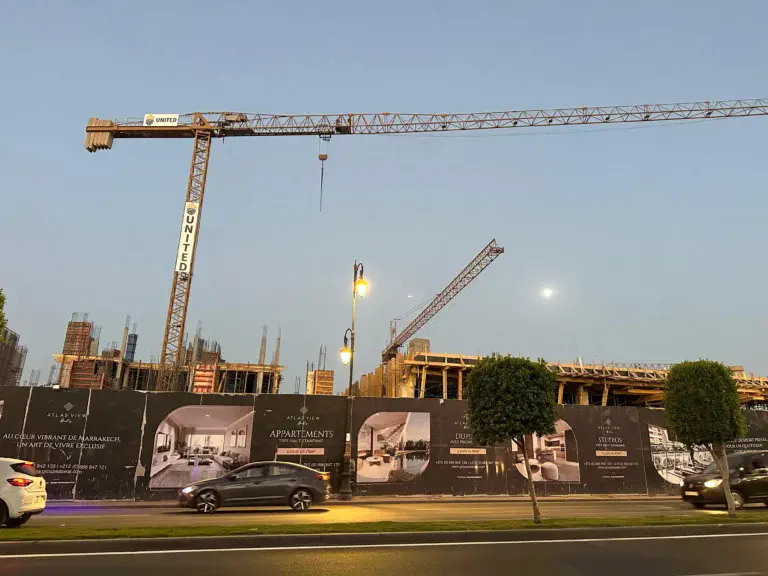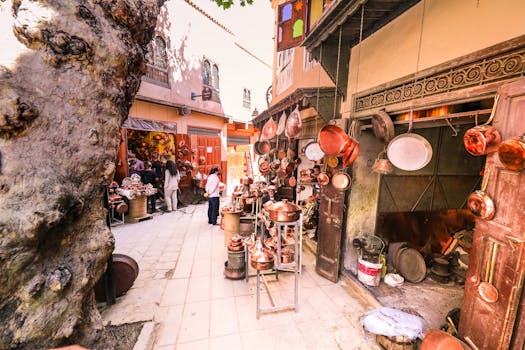
Yes, foreigners can legally buy titled property in Marrakech. Morocco has had a clear legal framework for foreign property ownership for decades, and your rights as a buyer are protected by the Moroccan state. There is no nationality restriction, no residency requirement, and no need to set up a local company for standard residential purchases. The single most important rule: only buy property that carries a Titre Foncier, Morocco’s official registered land title. Do that, import your funds through an official Moroccan bank, and use a licensed notaire. The rest of this guide explains exactly how.
At a Glance: Key Facts for Foreign Buyers in Marrakech
- Can foreigners buy? Yes. Any nationality. No residency permit required.
- What to buy: Titled urban property with a Titre Foncier only.
- Agricultural/rural land: Subject to restrictions, always check before proceeding.
- Key document: Titre Foncier (registered land title, issued by the ANCFCC).
- Funds rule: All purchase money must enter Morocco through an official Moroccan bank account. Keep the bank certificate (attestation d’importation de devises), you will need it to repatriate funds later.
- Total buying costs: Typically 7–10% on top of the purchase price.
- Timeline: Usually 45–90 days from offer to signed deed.
- Capital gains tax on sale: 20% for non-residents (exemptions apply after 10 years).
Can Foreigners Legally Buy Property in Marrakech?
Yes. Foreigners can legally buy titled property in Marrakech and across Morocco with essentially the same ownership rights as Moroccan nationals. Morocco passed laws decades ago actively encouraging foreign real estate investment, and the legal framework protecting foreign buyers is well established and transparent.
It does not matter where you are from. Whether you hold a French, American, British, Canadian, Saudi, or any other passport, you are permitted to buy, own, and sell residential property in Marrakech. You do not need a Moroccan residency permit. You do not need to be married to a Moroccan citizen. You do not need to register a local company, unless you are purchasing for commercial development purposes.
The one condition that separates foreign buyers from local buyers is straightforward: your purchase funds must be imported into Morocco through an official Moroccan bank account. This is explained fully in the importing funds section below.
I remember sitting in a rooftop café in the medina, looking out over a sea of terracotta rooftops, and thinking: I want to own a piece of this city. The doubts crept in fast. Could someone challenge my ownership? Would the bureaucracy be a nightmare? Three years later I own a riad in the medina and an apartment in Hivernage. I have been through this process twice, and this article is everything I wish someone had told me before I started.
What Foreigners Can and Cannot Buy in Marrakech
Understanding the boundaries before you search for a property will save you time and protect you from wasted effort.
What you can generally buy
- Apartments and flats in any Marrakech neighbourhood
- Riads and traditional houses in the medina (provided they carry a Titre Foncier)
- Villas and houses in gated residential developments
- Commercial spaces, provided they are titled urban property
Where restrictions or additional checks apply
- Agricultural land: Foreigners are generally prohibited from purchasing land classified as agricultural in Morocco. This is a firm restriction under Moroccan law, intended to protect national food security and rural land ownership.
- Rural land near agricultural zones: Even if a property is described as a “countryside retreat” or “Atlas foothills villa,” you need to verify the official land classification before proceeding. Land close to agricultural zones can carry restrictions even when presented informally as residential.
- Unregistered or Melkia properties: Older properties held under the traditional Melkia system are not formally registered with the national land registry. As a foreigner, you should not purchase Melkia property directly , only proceed if the title is being converted into a full Titre Foncier before the final deed is signed.
Important: If you are looking at a rural property, a farm, or anything described as “nature” or “countryside,” always check the official land classification with a qualified Moroccan lawyer and the local Conservation Foncière before making any financial commitment. Do not rely on an agent’s description alone.
The Titre Foncier: Why It Changes Everything

Before anything else, you need to understand what a Titre Foncier is and why it matters so much.
A Titre Foncier is the official registered land title issued by Morocco’s national land registry authority, the Agence Nationale de la Conservation Foncière, du Cadastre et de la Cartographie (ANCFCC). Think of it as the birth certificate of a property. It records the exact boundaries of the land, the current legal owner, any mortgages or liens attached to it, and the full history of ownership transfers.
What the Titre Foncier gives you
When a property carries a Titre Foncier and you are registered as the owner, your title is protected by the Moroccan state. This is the strongest form of ownership protection available in Moroccan law. It significantly reduces ,though does not entirely eliminate , the risk of ownership disputes.
That said, a Titre Foncier is not a guarantee that you can skip due diligence. Before committing to a purchase, you must verify at the Conservation Foncière that:
- The seller is the actual registered owner on the current Titre Foncier
- There are no active mortgages or liens on the property
- There are no seizures, oppositions, or legal disputes registered against the title
- The title is fully up to date and has not been subject to any recent amendments
This verification costs very little and takes a short time. Your independent lawyer can handle it on your behalf. Do not skip it.
The difference between Titre Foncier and Melkia
Some older properties , particularly in the historic medina , are held under a traditional system called Melkia, documented by an Adoul (a traditional Islamic notary). Melkia properties are not registered with the ANCFCC and do not carry a Titre Foncier.
My lawyer’s advice when I bought my riad was clear: only buy property with a Titre Foncier, or property that can be fully converted into a Titre Foncier before you sign the final deed. I followed that advice without exception. If a seller or agent tries to convince you that a Melkia property is fine and that you can sort out the title registration after completion, walk away.
The Titre Foncier is non-negotiable for foreign buyers.
Marrakech Neighbourhood Comparison for Foreign Buyers
Marrakech covers a wide range of property types and price points depending on where you look. Here is a practical overview of the main areas where foreigners buy titled property.
| Neighbourhood | Property Types | Typical Buyer Profile | Price Range (approx.) | Notes |
|---|---|---|---|---|
| Medina | Riads, traditional houses | Lifestyle buyers, holiday rental investors | From MAD 600,000 to MAD 5M+ | Check Titre Foncier carefully , many older medina properties are Melkia. Heat and noise can be significant in summer. |
| Gueliz | Modern apartments, commercial units | Expats, long-term residents, professionals | From MAD 700,000 to MAD 2.5M+ | New-build stock is generally fully titled. Good access to amenities and transport. |
| Hivernage | Modern apartments, boutique residences | European buyers, investors | From MAD 900,000 to MAD 3.5M+ | Well-connected to the city centre. Premium addresses with strong rental demand. This is where I bought my apartment. |
| Palmeraie | Luxury villas, gated estates | High-net-worth buyers, second home purchasers | From MAD 2.5M to MAD 20M+ | Larger plots, pools, private gardens. Verify land classification carefully , some plots border agricultural zones. |
| Route de l’Ourika | Rural retreats, Atlas foothill properties | Buyers seeking peace, nature, boutique hospitality projects | From MAD 800,000 to MAD 6M+ | Strong demand for retreat and eco-lodge projects. Agricultural land restrictions apply in parts of this corridor , always verify the land classification before proceeding. |
Not sure which Marrakech neighbourhood fits your goals? I cover the options in detail on my foreign buyer assistance page.
Step-by-Step Buying Process
The buying process in Marrakech is more structured than most people expect. Once you understand each step, it becomes far less intimidating.
Step 1: Find the Right Property
Marrakech has a large real estate market with hundreds of agencies, private sellers, and online listing platforms. I worked with two agencies and also used personal contacts to access off-market listings. The key areas where foreigners buy titled property in Marrakech include the medina, Palmeraie, Hivernage, Gueliz, and the Route de l’Ourika corridor south of the city. Each area has a different price range, lifestyle character, and type of property.
Step 2: Verify the Title Before Anything Else
Before you make any financial commitment, ask the seller to provide a copy of the Titre Foncier. Take that document, or have your independent lawyer take it, to the local Conservation Foncière and confirm that the title is current, the seller is the registered owner, and that there are no mortgages, seizures, liens, or legal oppositions registered against it. This step costs very little and gives you a clear picture of what you are actually buying.
Step 3: Sign the Compromis de Vente
Once you are satisfied with the title verification, you sign a compromis de vente, a preliminary sale agreement. This document sets out the agreed purchase price, payment terms, the completion timeline, and any conditions that must be met before the final deed is signed.
At this stage you typically pay a deposit of 10–20% of the purchase price. This deposit is usually held by the notaire and is protected. Make sure your compromis de vente includes a clause that entitles you to a full refund of your deposit if any title issues emerge before completion.
Step 4: Open a Moroccan Bank Account and Import Your Funds
This is the step that is unique to foreign buyers and it is absolutely critical. See the full section below for everything you need to know.
Step 5: Sign the Acte de Vente at the Notaire
The final sale is completed in front of a notaire, a government-appointed legal official responsible for verifying the title, drafting the final deed, and registering the new ownership with the Conservation Foncière. The notaire is legally neutral and works for both parties, which is precisely why I recommend having your own independent lawyer present as well.
You sign the acte de vente, pay the remaining balance, and the notaire registers the transfer of ownership. Your name is then entered into the Titre Foncier as the new legal owner. The whole process from offer to keys took around 60 days on my first purchase and about 45 days on my second.
Already considering a property?
See the 14 Day Buyer Plan: $299 →
Get 14 days of personal buyer support, three private calls and WhatsApp support.
Get help reviewing up to three properties before you commit money.
Buyer Process Timeline
- 1Week 1–2: Property search and viewing. Visit multiple properties. Shortlist based on location, condition, and title status. Ask for Titre Foncier details on any property you are serious about.
- 2Week 2–3: Title verification. Instruct your independent lawyer to verify the Titre Foncier at the Conservation Foncière. Confirm ownership, check for mortgages, liens, seizures, and oppositions.
- 3Week 3–4: Negotiate and sign the compromis de vente. Agree the price and terms. Sign the preliminary contract. Pay the deposit (10–20%). Ensure the contract includes a title protection clause.
- 4Week 4–6: Open a Moroccan bank account and import funds. Open an account with a Moroccan bank (e.g. CIH, Attijariwafa, BMCE). Wire your purchase funds through official banking channels. Collect the attestation d’importation de devises.
- 5Week 6–8: Due diligence and pre-completion checks. Your notaire and lawyer carry out final searches. Confirm no new registrations have been made against the title since your initial check.
- 6Week 8–10: Sign the acte de vente. Sign the final deed at the notaire’s office. Pay the remaining balance plus all applicable taxes and fees. The notaire files the transfer immediately with the Conservation Foncière.
- 7Week 10–12: Titre Foncier updated. The ANCFCC updates the Titre Foncier to reflect your ownership. You receive confirmation. You are now the registered owner.
Documents Checklist for Foreign Buyers
Having the right paperwork ready speeds up the process considerably. Here is what you will need to prepare:
- Valid passport (with at least 6 months validity)
- Proof of address in your home country (utility bill, bank statement , typically dated within 3 months)
- Copy of the Titre Foncier provided by the seller
- ANCFCC title verification certificate (obtained from the Conservation Foncière by you or your lawyer)
- Signed compromis de vente (preliminary sale agreement)
- Moroccan bank account details (for importing your purchase funds)
- Attestation d’importation de devises (bank certificate confirming your funds entered Morocco through official channels, issued by your Moroccan bank)
- Power of attorney (if you are completing the purchase remotely and cannot be present at the notaire)
- Tax identification number (your notaire or lawyer can assist with obtaining this if required)
Importing Funds Through Official Moroccan Banking Channels
This is the rule that catches many foreign buyers off guard, and it is the one you absolutely cannot afford to get wrong.
All funds used to purchase property in Morocco as a foreign national must be transferred into Morocco through an official Moroccan bank account. You cannot pay a private individual in cash. You cannot transfer money through informal channels or unofficial currency brokers.
When you transfer your funds through an official bank, the bank issues you a document called an attestation d’importation de devises. This is a certificate that confirms your money entered Morocco legally and officially. The Office des Changes, Morocco’s foreign exchange regulator , oversees these requirements.
Why does this document matter so much? Because when you sell the property in the future, this certificate is what legally entitles you to take your money back out of Morocco. Without it, you may find yourself unable to repatriate your sale proceeds. Keep it safe from the moment you receive it.
I opened a CIH Bank account in Marrakech specifically for both of my property purchases. The account opening process was straightforward with a valid passport and proof of address. Major banks including Attijariwafa, BMCE, and CIH all work regularly with foreign property buyers.
Never transfer purchase funds to a private individual informally. If a seller or agent suggests paying through a friend, an unofficial money changer, or any route other than your own Moroccan bank account, walk away from the deal immediately.
Full Costs Breakdown
The purchase price is only part of what you will spend. Understanding the full cost picture before you make an offer is essential for budgeting correctly.
| Cost Item | Rate / Amount | Notes |
|---|---|---|
| Transfer tax (Droits d’enregistrement) | 4% of purchase price | Paid to the Moroccan state at completion |
| Stamp duty | 1% of purchase price | Applied at the same stage as transfer tax |
| Notary fees | Approx. 1–1.5% of purchase price | Government-regulated sliding scale. More detail here. |
| Title registration fee | Approx. 1% of purchase price | Paid to the ANCFCC to register the new ownership on the Titre Foncier |
| Real estate agency commission | 2–2.5% of purchase price | Usually paid by the buyer in Marrakech, though sometimes negotiable |
| Independent lawyer fees | EUR 500–2,000 | Strongly recommended for foreign buyers. Varies by transaction complexity. |
| Title verification at Conservation Foncière | Minimal (under MAD 200) | Essential. Do not skip. |
| Total estimated transaction costs | 7–10% of purchase price | Budget the upper end if using an independent lawyer and an agent. |
On my first purchase , a riad for MAD 1.2 million , I paid approximately MAD 95,000 in total transaction costs. For the legal security that came with it, that felt very reasonable.
Can Foreigners Get a Moroccan Mortgage?
Yes, foreigners can apply for a Moroccan mortgage. Several major banks including Attijariwafa, CIH, and BMCE offer home loans to non-residents. In practice, however, the majority of foreign buyers I have encountered in Marrakech purchased with cash.
Moroccan banks generally offer lower loan-to-value ratios to non-residents , typically around 50–60% of the property value , and interest rates in Morocco are higher than in the EU or the United States. If you do take a Moroccan mortgage, make sure the loan is denominated in Moroccan dirhams rather than a foreign currency, to avoid currency risk over the repayment period.
Already considering a property?
See the 14 Day Buyer Plan: $299 →
Get 14 days of personal buyer support, three private calls and WhatsApp support.
Get help reviewing up to three properties before you commit money.
Can You Rent Out Your Property as a Foreigner?

One of the most common questions I hear from other foreign buyers is whether they can put their property on Airbnb or Booking.com. The answer is yes , you can rent out your property as a foreign owner in Marrakech.
Short-term rental through platforms like Airbnb and Booking.com is widespread in the city, particularly in the medina where riads are extremely popular with tourists. However, you are required to register your rental property with the local authorities and collect the tourist tax from guests. Rental income is also subject to Moroccan income tax, and you should work with a local accountant to ensure you are filing correctly.
Many foreign owners I know use a local property management company to handle bookings, guest check-ins, maintenance, and tax compliance. It makes the whole operation hands-off and avoids regulatory headaches.
Selling and Repatriating Your Funds Later
This is where keeping your attestation d’importation de devises safe pays off. Because you imported your funds through official banking channels and have the certificate to prove it, you are legally entitled to repatriate the sale proceeds back to your home country when you eventually sell.
Capital gains on property in Morocco are taxed at 20% for non-residents. There are exemptions available in certain circumstances , for example if you have owned the property for more than 10 years, or if the property served as your primary residence. Your notaire will calculate and withhold any applicable capital gains tax at the time of sale.
The Office des Changes regulates the repatriation of foreign funds from Morocco. Provided you have the correct bank documentation, the process for taking your money out is legally straightforward. More detail on the requirements is available on the Office des Changes website.
If you are thinking about buying in Marrakech and want guidance on the safest way to structure your purchase, I have put together a dedicated assistance page for foreign buyers.
Red Flags Checklist: Warning Signs to Walk Away From
I have spoken to dozens of foreign property owners in Marrakech over the years. The same mistakes come up repeatedly. Here is what to watch for:
- The property does not have a Titre Foncier, and the seller says the title “can be sorted later.”
- You are asked to transfer funds to a private individual informally, or through a currency broker outside official banking channels.
- The agent strongly discourages you from hiring your own independent lawyer.
- The Titre Foncier is in a different name from the person claiming to be the seller, with no clear explanation.
- There is pressure to sign quickly or the price seems unusually far below comparable properties.
- The property is described as “rural” or “countryside” but no land classification certificate has been provided.
- You have only visited the property once, during daytime, in winter. Marrakech heat in summer and noise levels in the medina can be very different from a calm winter viewing.
- The compromis de vente contains no clause protecting your deposit if title issues are discovered.
Is Marrakech a Good Investment for Foreign Buyers Right Now?
In my personal experience, yes , provided you buy carefully.
Marrakech has attracted consistent interest from international buyers for over two decades. The tourism sector that drives short-term rental income continues to grow. The Moroccan government has invested heavily in infrastructure, the high-speed rail connection from Casablanca to Marrakech has cut travel time significantly, and the city draws international events, festivals, and visitors throughout the year.
Property prices in prime areas like the medina and Palmeraie have held their value well over time. Quality riads with Titres Fonciers in desirable medina locations remain genuinely hard to find. That scarcity tends to protect values. I planned to buy one property and ended up buying two. Marrakech does that to people.
Frequently Asked Questions
Can foreigners buy property in Marrakech without a Moroccan residency permit?
Yes. You do not need a residency permit, a visa, or any Moroccan citizenship to buy titled property in Marrakech. Any nationality can purchase. The only condition is that your purchase funds must be imported through an official Moroccan bank account.
Can a foreigner buy a riad in the Marrakech medina?
Yes, provided the riad carries a valid Titre Foncier or can be transferred into one before completion. Many older medina properties are held under the traditional Melkia system and do not have a registered title. Always verify the title status before signing anything.
What is a Titre Foncier and do I really need one?
A Titre Foncier is Morocco’s official registered land title, issued by the ANCFCC. It is the strongest form of ownership protection available under Moroccan law. As a foreign buyer, you should only purchase property that carries a Titre Foncier , or that will be formally converted into one before you sign the final deed.
Can foreigners buy agricultural land in Morocco?
Generally no. Foreign nationals are prohibited from purchasing land classified as agricultural in Morocco. If you are interested in rural or countryside property, always have the official land classification verified by a qualified Moroccan lawyer before proceeding.
How do I import my money safely when buying property in Morocco?
Open a bank account with a licensed Moroccan bank (such as CIH, Attijariwafa, or BMCE) and transfer your purchase funds through that account via an international wire transfer. The bank will issue you an attestation d’importation de devises confirming the funds entered Morocco through official channels. Keep this document permanently , you will need it to legally repatriate your proceeds when you sell.
How long does buying property in Marrakech take?
From accepted offer to signed final deed typically takes 45–90 days. My first purchase took around 60 days; my second took around 45. The timeline depends on title verification, fund transfer, and notaire availability.
What are the total buying costs for foreigners in Marrakech?
Budget approximately 7–10% on top of the purchase price, covering transfer tax (4%), stamp duty (1%), notary and registration fees (approx. 2–2.5%), agency commission (2–2.5%), and an independent lawyer if used.
Can I rent out my Marrakech property on Airbnb as a foreign owner?
Yes. Short-term rental is legal and widely practised, especially in the medina. You must register your property with local authorities, collect the tourist tax from guests, and declare rental income to Moroccan tax authorities. A local property management company can handle all of this on your behalf.
Do I need a lawyer when buying property in Marrakech?
Moroccan law requires a notaire to complete the final deed. However, the notaire is neutral and does not represent you personally. I strongly recommend hiring an independent licensed Moroccan lawyer who works solely in your interest , particularly for verifying the Titre Foncier, reviewing the compromis de vente, and advising on the fund import process.
Final Thoughts From Someone Who Has Done It Twice
Can foreigners buy titled property in Marrakech? Yes , and the process is far more structured than most people expect when they first start looking.
The core principles are simple: only buy property with a verified Titre Foncier, import your funds through an official Moroccan bank, use a licensed notaire for the final deed, and hire an independent lawyer to represent your interests throughout. Follow those four steps and you will have the same registered ownership protection as any Moroccan property owner.
Marrakech is a city that gets under your skin. I planned to buy one property and ended up buying two. The legal framework is there to support you , you just need to follow the process correctly.
If you are considering buying in Marrakech and want help understanding the safest next steps, I have put together a dedicated guide and assistance resource for foreign buyers.
Already considering a property?
See the 14 Day Buyer Plan: $299 →
Get 14 days of personal buyer support, three private calls and WhatsApp support.
Get help reviewing up to three properties before you commit money.

Anis is the founder of Buy Property Morocco, a research-based resource created to help foreign buyers understand the real process of buying property in Morocco safely.
He focuses on the practical details most buyers only discover too late: title deed checks, notary steps, compromis de vente risks, transfer taxes, foreign banking rules, repatriating money after a sale, and avoiding common mistakes when dealing with agents or sellers.
Anis has personally bought 4 properties in Morocco and shares practical guidance based on real experience, not theory.
If you are seriously considering buying property in Morocco and want private guidance before you send money, pay a deposit, or sign anything, you can book a buyer safety call here: