
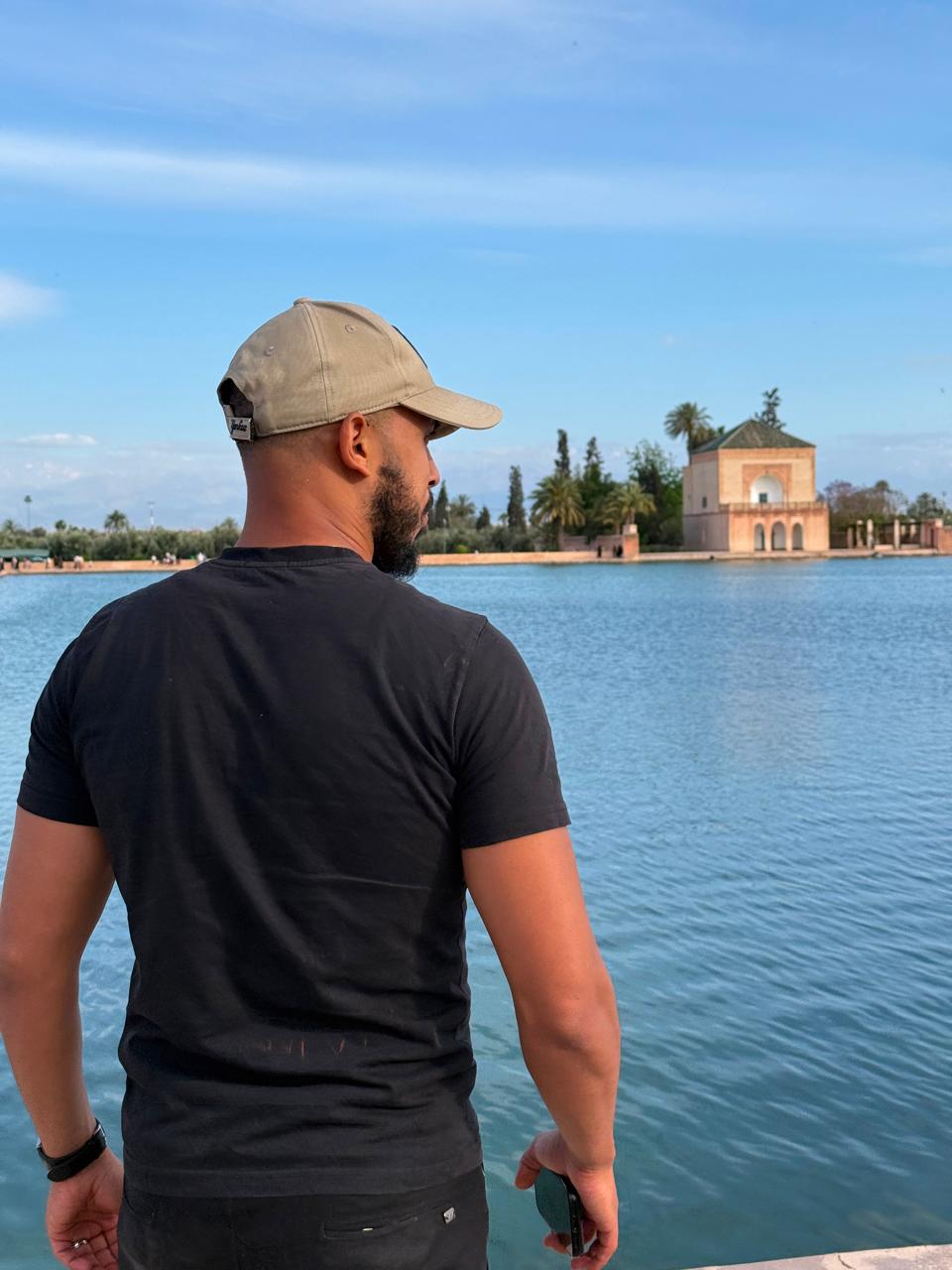
I live in Marrakech, and I have personally bought four properties in Morocco.
One of those purchases came with a sitting tenant, so I have dealt with the landlord side of Moroccan rental contracts myself.
Because of that, I would never advise a newcomer to sign a long lease from abroad without seeing the apartment first.
Instead, I would book temporary accommodation, spend the first weeks comparing areas, and search locally.
This guide explains the exact search order I would follow today, what the lease should include, and what to verify before paying anything.
Renting in Marrakech: quick answer
- Foreigners can usually rent with a passport, but a lease does not extend your legal stay in Morocco.
- Furnished apartments cost more in Guéliz and Hivernage than in Izdihar, Targa, Daoudiate, Massira, or Hay Mohammadi.
- Online asking prices can be higher than comparable local listings, so compare several options before negotiating.
- Fake or outdated listings do appear, especially when someone asks for money before an in person viewing.
- A written lease, clear payment records, and verified ownership give you the strongest protection.
In this guide
- Where to search for a rental
- The search plan I would follow
- What owning property here taught me
- Documents and money you need
- What the lease should include
- Legalizing and registering the lease
- Utilities, internet, and syndic
- Choosing a Marrakech area
- Current rent prices
- Monthly rental or long term lease
- Viewing checklist
- What to confirm before paying
- Villas and riads
- FAQ
Where I would look first for a long-term rental in Marrakech
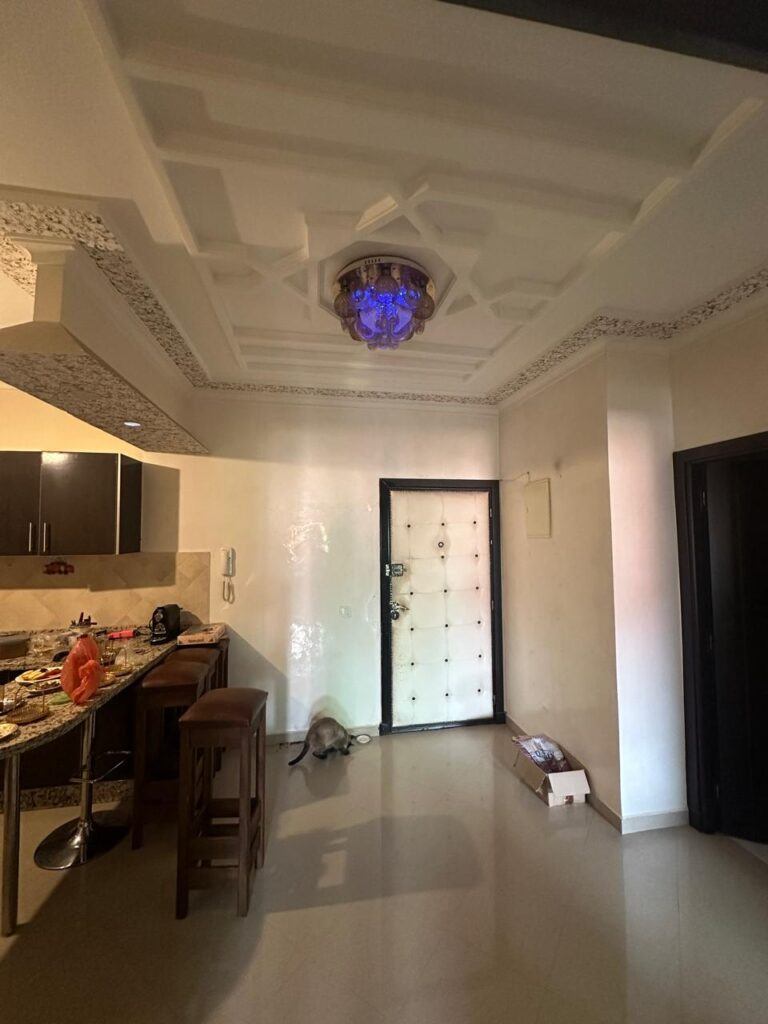
Marrakech has a real rental market, but there is no single platform that everyone uses.
Instead, listings are spread across Avito, agents, building caretakers, Facebook, and word of mouth.
Therefore, the smart approach is to combine several sources rather than trust any single one.
Avito
Avito is the most useful starting point for comparing local asking prices.
However, many listings come from agents or middlemen rather than direct owners.
Before you proceed with a viewing, ask whether the contact is the owner or a middleman.
Listings can also be duplicated, outdated, or posted mainly to attract enquiries for a different apartment.
Treat Avito as a price research tool first and a booking tool second.
Local rental agents
Agents can arrange several viewings quickly, which saves real time in a new city.
Before the viewings begin, agree on the commission clearly.
Expect that one advertised apartment may already be gone by the time you ask.
For that reason, compare more than one agent instead of relying on the first contact.
An office does not automatically make an agent trustworthy, and an informal agent is not automatically a fraud, so judge each one by clarity, documents, and behavior.
In my opinion, working with a real estate agent is the most comfortable way to find a property for rent. I usually pay the real estate agent the equivalent of a month’s rent as a fee, and it can be negotiable depending on the person.
Building gardiens and local contacts
A gardien is the caretaker of a residential building.
Gardiens often know which apartments are becoming available before anything appears online.
In practice, this method works best after you have chosen a specific building or street you like.
Even with a gardien introduction, the owner and the documents still need verification.
Facebook groups and Marketplace
Expat groups and Facebook Marketplace can produce fast introductions and useful local tips.
However, never send money from abroad based only on photos, messages, or a video call.
Instead, confirm the actual apartment and the identity of the person offering it before anything else.
Temporary accommodation first
Use a short stay rental as your base for the first few weeks.
This gives you time to compare areas, noise, transport, and real local prices.
Even so, remember that short stay prices are not a fair reference for long term rent.
How the sources compare
| Source | Good for | Main risk |
|---|---|---|
| Avito | Useful for comparing local asking prices | Some fake or outdated listings |
| Mubawab | Agency listings with photos | Agency pricing, commission added |
| Facebook groups | Expat tips and fast responses | Fake, duplicated, or outdated listings |
| Local gardiens | Unlisted flats before they go public | Still verify the real owner |
| Local agents | On the ground help and viewings | Informal agents with unclear authority or commission terms |
| International platforms | Booking from abroad in English | Higher prices, less local reality |
| Airbnb and short stay | A practical base for your first 30 days | A bad reference for fair long term rent |
| Word of mouth | Unlisted options and local introductions | Slower, needs local contacts |
In short, use Avito to learn prices, use a short stay base for your first month, then search on the ground through agents, gardiens, and word of mouth.
The rental search plan I would follow today
Here is a simple seven step plan that keeps the search organized and lowers your risk.
It is not the only possible method, but it is the order I would follow as a newcomer.
- Choose three suitable areas. Match your lifestyle, budget, and transport needs to two or three neighborhoods before contacting anyone.
- Save comparable listings in each area. Collect five to ten listings per area on Avito and Facebook so you learn what a fair asking price looks like.
- Contact owners and agents. Ask each contact whether they are the owner or a middleman, and agree any commission before viewings.
- Arrange several viewings close together. Seeing four or five apartments in one or two days makes comparison much easier.
- Revisit the best apartment at a different time. A quiet street at 11 am can be a noisy street at 10 pm.
- Verify the owner and review the contract. Check that the identity, ownership documents, and lease details all match before agreeing anything.
- Negotiate and pay through a traceable method. Agree the final rent, then pay by bank transfer or against a signed receipt, never casually in cash.
Most importantly, do not skip step six because an apartment feels perfect.
The nicest apartment in Marrakech is still a bad deal if the person collecting your money has no right to rent it.
Already considering a property?
See the 14 Day Buyer Plan: $299 →Get 14 days of personal buyer support, three private calls and WhatsApp support.
Get help reviewing up to three properties before you commit money.
What owning Marrakech property taught me about rental contracts
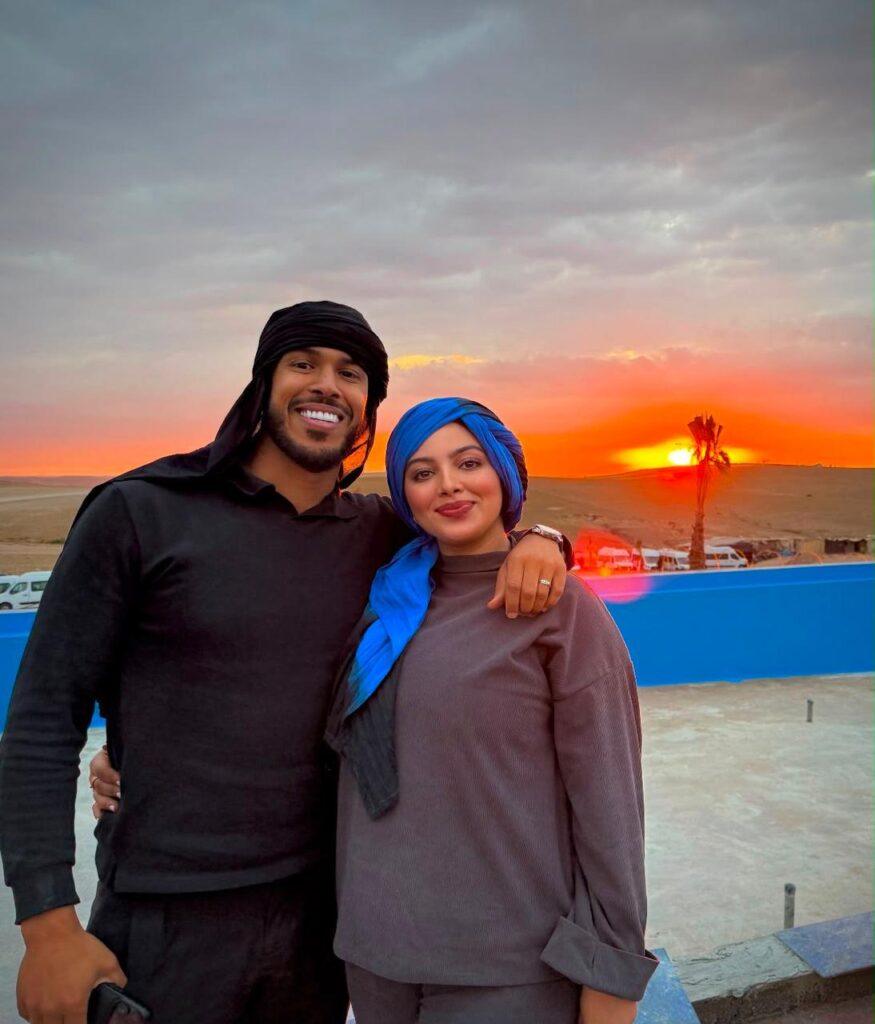
One of my four Moroccan purchases was a ground floor apartment that came with a shop.
The shop already had a tenant who was paying around 400 euros per month to the owner.
After the sale, I assumed we would simply redo the rental contract in my name.
However, the tenant refused, and at first I thought something was wrong.
A letter from his lawyer later explained that the existing contract should stay exactly as it was until the property was officially registered in my name.
Once the registration was complete, the rent could be paid to me, and the lawyer was right.
That experience taught me something every renter in Morocco should understand.
In a Moroccan rental dispute, the written contract and the official paperwork carry the weight, not verbal promises.
Therefore, as a tenant, insist on a written lease that names the real owner, states every payment term, and records the condition of the apartment.
In addition, make sure the person collecting your rent is actually entitled to collect it.
I once paid a deposit of around 1,000 euros informally while a seller was abroad, and although it worked out, I would never advise anyone to hand over money that casually today.
Every dirham you pay should be traceable or covered by a signed receipt.
Documents and money you need for a long term lease
Prepare your paperwork and funds before you start viewings, because good apartments move quickly.
Identification and supporting documents
A valid passport is the document most landlords use to identify a foreign tenant.
However, a passport is not always the only thing a landlord may request.
Some landlords also ask for proof of income, bank statements, employment documentation, evidence of retirement income, or a guarantor.
Others may prefer several months of rent in advance instead of income paperwork.
None of this is standardized, so ask each landlord what they expect before the viewing.
Upfront funds
Your first month usually costs far more than one month of rent.
Budget for the first month of rent, the security deposit, agent commission when an agent is used, utility or internet setup, and any syndic charges billed separately.
The syndic charge is the shared building maintenance fee that covers cleaning, the lift, and common areas.
A deposit of one or two months of rent is common, although some landlords request more.
Agent commission of around one month of rent is commonly requested, but it is not a fixed legal amount, so agree it before viewings begin.
Quick preparation table
| Item | What may be requested | What to confirm |
|---|---|---|
| Identification | Passport, sometimes income proof or a guarantor | Exactly what this landlord requires |
| Deposit | Commonly one or two months of rent | Amount and return conditions in writing |
| Agent commission | Often around one month of rent | Amount and who pays, before viewings |
| Utilities and internet | Setup or transfer costs | Whose name, activation fees, unpaid bills |
| Syndic charges | Building maintenance fees | Included in rent or billed separately |
What the lease should include
The rental contract is called the Contrat de Bail, and it is normally written in French or Arabic.
Do not sign any version you do not fully understand, and arrange translation help if you need it.
A proper lease should identify the landlord, the tenant, and the passport or identity details of both.
It should state the exact property address, the monthly rent in Moroccan dirhams, and the payment date.
It should also record the security deposit, the lease start and end dates, and the notice period.
Finally, it should spell out included and excluded charges, utility responsibility, syndic responsibility, repair responsibility, agent commission when relevant, and the deposit return conditions.
The état des lieux, your inventory protection
The état des lieux is a written record of the apartment condition at move in.
It should list the furniture, the appliances, existing damage, the keys, the meter readings, and the general condition.
In addition, take photographs of everything on the day you move in.
An inventory may not always be treated as a formal requirement, but in practice it is one of the strongest protections a tenant has when the deposit is returned.
Legalizing and registering the lease
Signing the lease is only the first step, and two administrative steps commonly follow.
Legalizing signatures at the Moqataa
The Moqataa is the local municipal office.
Both parties commonly legalize their signatures there, which confirms that the signatures on the lease are genuine.
However, the exact procedure can vary by municipality, so confirm locally how and when it should be done.
Registering the lease when required
Depending on the lease, the agreement may also need registration with the Moroccan tax administration, the Direction Générale des Impôts.
The exact requirements can depend on the type of lease, the municipality, the landlord, and current administrative practice.
Registration and legalization improve your position in a dispute, but no stamp guarantees complete legal protection.
Before you proceed, ask the landlord four practical questions.
- Where will the signatures be legalized?
- Who will register the agreement if registration is needed?
- Who pays any administrative cost?
- When will you receive your finalized copy?
Afterwards, keep your copy of the lease and every payment record together in one safe place.
Utilities, internet, and syndic charges
Water, electricity, and sanitation services in Marrakech are now managed by SRM Marrakech Safi.
SRM Marrakech Safi is the regional company that officially replaced RADEEMA in Marrakech in November 2024.
In practice, many residents and landlords still say RADEEMA when talking about meters, accounts, or bills.
Older paperwork may also carry the RADEEMA name, which is normal for accounts opened before the change.
A finalized lease may be used when arranging or transferring utility services, depending on the account and the current procedure.
However, not every tenant can place every account in their own name, so confirm the setup before signing.
Therefore, check these points during your final visit.
- Whose name is on the utility account?
- Are the previous bills fully paid?
- What are the meter numbers and readings at move in?
- Do you pay the provider directly or pay the landlord?
- Is the syndic charge included in the rent?
- Is the internet line installed and active?
- Who pays any activation fees?
Always ask to see recent original utility bills rather than accepting an estimate for utility charges.
For older accounts, you can still check a legacy RADEEMA bill through the Fatourati payment portal.
Which Marrakech area would I consider as a newcomer?
I know some of these areas from daily life and others mainly through the local market, so I will be clear about which is which.
For example, I use a coworking space in Guéliz, I train at a gym in Izdihar, and my wife and I shop at the evening market in Daoudiate.
Use the table to compare quickly, then read the notes underneath.
| Area | Best for | Car needed | Noise risk | Rent level | Main warning |
|---|---|---|---|---|---|
| Guéliz | Walkable expat life, cafes, shops | No | Medium | Mid to high | Asking prices often inflated for foreigners |
| Hivernage | Quiet, upscale, larger flats | Helpful | Low | High | Summer utility bills can be heavy |
| Victor Hugo | Central living near Guéliz | No | Medium | Mid to high | Confirm parking before signing |
| Medina | Atmosphere and riad living | No, but no parking | High | Mid | Heat, noise, and narrow streets |
| Palmeraie | Space, gardens, villas | Yes | Low | High | Pool and garden costs add up fast |
| Targa | Calm residential family life | Yes | Low | Mid | Further from the center |
| Izdihar | Modern flats, good value | Helpful | Low to medium | Mid | Fewer English speaking landlords |
| Daoudiate, Massira, Hay Mohammadi | Lowest rents, local life | No | Medium to high | Low | Little expat support, verify ownership carefully |
Areas I know from daily life
Guéliz is modern, walkable, and the most in demand area for long term foreign residents.
It is where I go for coworking, and it is also where everyday costs climb, since a coffee that costs around 14 dirhams elsewhere can reach 25 dirhams in Guéliz or Hivernage.
Izdihar is a modern residential district where I spend time every week, with newer buildings, local families, and noticeably better value than Guéliz.
The trade off in Izdihar is that fewer landlords speak English, so some French or Darija help is useful.
Daoudiate is a genuinely local area, and its evening produce market is where my wife and I buy our vegetables because the quality and prices are excellent.
Areas I know through the local market
Hivernage is quieter and more upscale than Guéliz, with larger and more expensive apartments.
Victor Hugo sits conveniently between the center and Guéliz, but parking should be confirmed before signing.
The Medina is full of character, yet it can be hard to live in long term because of noise, heat, and limited parking.
Meanwhile, the Palmeraie is spacious and green, but it is very car dependent.
Targa suits families who drive and want calm residential streets.
Massira and Hay Mohammadi offer the lowest rents, although you should verify ownership extra carefully in budget areas because bad actors target them too.
For a deeper look at how areas perform, you can also read my guide on the best Marrakech neighborhoods for short stay and rental demand.
Current Marrakech rent prices by area
Here is a snapshot of typical furnished long term asking ranges across Marrakech in 2026.
Treat these as starting points for research, not guaranteed completed rents.
| Area | Typical furnished rent (MAD/month) | Quick note |
|---|---|---|
| Guéliz | 4,000 to 9,000 | Most popular expat area |
| Hivernage | 5,000 to 13,000 | Upscale and quieter |
| Victor Hugo | 4,500 to 10,000 | Central, near Guéliz |
| Izdihar | 3,500 to 7,000 | Modern, residential |
| Targa | 3,500 to 8,000 | Residential, car friendly |
| Medina | 4,000 to 12,000 | Riads and apartments, atmospheric |
| Palmeraie | 7,000 to 20,000+ | Mostly villas, car needed |
| Daoudiate | 2,000 to 4,000 | Local, budget friendly |
| Massira | 2,500 to 5,000 | Local, larger residential zone |
| Hay Mohammadi | 2,000 to 4,000 | Local, lower cost |
How to read these prices, reviewed and updated for 2026.
These are furnished asking prices, not final negotiated rents.
The exact figure moves with the property size, the exact street, the furniture quality, the building condition, the floor, the lift, the parking, the pool, the air conditioning, the lease duration, the season, the utility setup, and your negotiation.
The area ranges may include studios, one bedroom apartments, two bedroom apartments, and larger homes, so always compare properties of a similar size.
Because summer demand and short stay platforms push asking prices up, always compare a few listings before you decide.
Typical rent by apartment size
Within each area, the size of the apartment decides where the price falls inside these ranges.
This size guide shows where each property type usually sits within the broader area ranges rather than giving a separate verified price for every size.
| Property type | Where it usually sits | What to expect |
|---|---|---|
| Studio | Lower end of each area range | Usually near the lower end of the area range, depending on the building, exact street, and furniture |
| One bedroom | Lower to mid part of the range | The most affordable practical option in Guéliz or Izdihar |
| Two bedroom | Mid to upper part of the range | The most common furnished stock for couples and families |
| Three bedroom or larger | Upper end of the range | Limited availability, varies heavily by exact property |
| Villa | Above the apartment ranges | Well above apartment rents, varies heavily by size, condition, and services |
| Riad | Varies heavily by exact property | Limited long term supply, mostly in and around the Medina |
A negotiated rent on a six or twelve month lease often lands below the advertised figure.
By contrast, short stay and monthly furnished prices sit well above both.
From my own experience living here, some landlords and sellers raise the price sharply the moment they sense you are a foreigner or live abroad.
That is exactly why local price research protects you before any negotiation starts.
For a wider view of pricing across the country, see my breakdown of apartment prices in Morocco.
When you are ready to discuss the rent, the same principles apply as in my guide to negotiating apartment prices in Morocco.
The extra costs I tell renters to ask about
The asking rent is only one part of your first month cost.
Before agreeing to anything, ask for every extra charge in writing.
- Deposit: the amount and the return conditions belong in the lease, not in a verbal promise.
- Agent commission: often around one month of rent when an agent introduced the property.
- Utility setup: costs vary depending on whether water, electricity, or other services need activation.
- Internet: confirm the installation fee, the monthly plan, and whether the line is already active.
- Syndic fees: building maintenance charges may be included in the rent or billed separately.
Monthly rental or long term lease?
Monthly rentals are useful for the first 30 to 60 days.
They give you time to explore neighborhoods, test noise levels, and decide where you actually want to live before committing to a year.
The catch is the price, because a furnished monthly rental almost always costs more per month than a six or twelve month lease on the same flat.
Once you know the area you want, switch to a proper long term lease, because landlords prefer stable tenants and often offer a lower rate for a signed contract.
If breakfast, cleaning, or hospitality services matter to you, that generally points toward serviced accommodation rather than a standard residential lease.
| Option | Best for | Common inclusions | Main drawback |
|---|---|---|---|
| Short stay accommodation | First weeks, exploring areas | Utilities, wifi, sometimes cleaning | Highest cost per month |
| Furnished monthly rental | One to three month stays | Furniture, often utilities | Pricier than a yearly lease |
| Long term residential lease | Six months or more | Lowest monthly rent | Deposit, contract, own utility bills |
| Serviced accommodation or guesthouse | Hospitality style living | Cleaning, sometimes breakfast | Hotel style pricing, not residential rent |
Do not quote hotel or guesthouse prices to a landlord as if they were residential rent, because they measure completely different things.
If you want to set up short stay income later yourself, that is a different process, and I cover it in my guide on starting an Airbnb business in Morocco.
Which option fits your situation?
- Short stay accommodation: best for your first two to six weeks while you compare areas on the ground.
- Furnished monthly rental: best for one to three months when you want flexibility without hotel pricing.
- Six or twelve month lease: best once you know your area, because it brings the lowest monthly rent.
- Villa: best for families with a car and a budget well above typical apartment rents.
- Riad: best when character matters more than convenience, after visiting at several times of day.
- Renting first, buying later: the most cautious route, because a year of renting teaches you the market before you commit serious money.
What I would test during every apartment viewing
A viewing is not a tour, it is an inspection.
Instead, work through this list on every serious candidate.
- Street noise during the day
- Street noise at night, on a second visit
- Neighboring apartments and shared walls
- Water pressure at every tap
- Hot water supply
- Air conditioning, tested while you watch
- Sunlight and orientation
- Damp patches or unusual smells
- Windows, shutters, and locks
- Mobile reception inside the apartment
- Internet availability and line status
- Lift condition, especially on higher floors
- Parking rights, in writing if promised
- Building entrance and general upkeep
- Gardien or concierge presence
- Utility meters and their readings
- Previous utility bills
- Furniture and appliance condition
Heat deserves special attention, because Marrakech gets extremely hot in July and August.
If air conditioning matters to you, test the unit yourself and confirm in the lease who pays if it fails.
What I would confirm before signing or paying

Most rental problems in Marrakech are not deliberate fraud.
In practice, expensive misunderstandings and poor documentation cause far more pain than actual scams, although both exist.
The same tricks appear on the buying side too, which I cover in my guide to Marrakech property scams and pitfalls for foreigners.
Ask these questions before you spend a single dirham.
- Is the rent monthly, seasonal, or tied to a fixed lease?
- Is the person signing the lease the owner or a verified representative?
- Can the owner show identity and ownership documents that match?
- Are syndic, utilities, internet, and agent fees included or extra?
- Who pays for appliance, plumbing, and air conditioning repairs?
- Will you receive a signed inventory before moving in?
- What are the exact deposit return and notice conditions?
- Can every payment be made by transfer or supported by a signed receipt?
Nine warning signs that should slow you down
- A deposit requested before an in person viewing. Verify the apartment and the person offering it before sending money.
- A person who avoids proving their identity. Ask for documents and confirm that the identity matches the owner or authorised representative.
- An agent with unclear authority. Ask whether they represent the owner and how their commission works before viewings begin.
- A listing copied from another source. Search the photos and compare the address, price, and contact details.
- Pressure to pay in cash immediately. Use traceable payments and get a signed receipt for any cash.
- No written lease. Verbal deals make rent, repairs, notice, and deposit disputes much harder to resolve.
- Utility charges without original bills. Ask for the original bills rather than accepting an estimate.
- No inventory offered. Without an état des lieux, deposit deductions become a matter of memory against memory.
- Fees introduced after you agree. Confirm syndic, commission, utilities, parking, and maintenance charges before signing.
Verifying ownership works the same way for renters as for buyers, and you can learn more about Titre Foncier and ownership documents and checking property ownership in Morocco.
If someone refuses clear answers or pushes you to pay before verification, slow down.
For a large deposit, a dispute, or an unclear contract, speak with a Moroccan lawyer, notary, or another qualified local professional before you commit.
Already considering a property?
See the 14 Day Buyer Plan: $299 →Get 14 days of personal buyer support, three private calls and WhatsApp support.
Get help reviewing up to three properties before you commit money.
French and Arabic rental words expats should know
Most local listings are written in French or Arabic, so a few key words will help you search and understand quickly.
| English | French | Arabic and Darija |
|---|---|---|
| Apartment for rent | Appartement à louer | شقة للكراء / shqa lel kra |
| Monthly rent | Loyer mensuel | كراء شهري / kra chhari |
| Long term rental | Location longue durée | كراء طويل الأمد / kra twil l modda |
| Furnished | Meublé | مفروشة / mfarsha |
| Unfurnished | Non meublé | غير مفروشة / bla mobilya |
| Deposit | Caution, dépôt de garantie | تسبيق أو ضمانة / tasbiq or damana |
| Lease contract | Contrat de bail | عقد الكراء / ʿaqd l kra |
| Owner | Propriétaire | المالك / moul dar |
| Agent | Agent immobilier | سمسار / samsar |
| Syndic | Syndic | السانديك / syndic |
| Electricity and water bill | Facture d’eau et d’électricité | فاتورة الماء والكهرباء / fatura dyal l ma w daw |
The French terms are the most reliable, because that is what most written contracts and listings use.
Houses, villas, and riads for rent in Marrakech long term
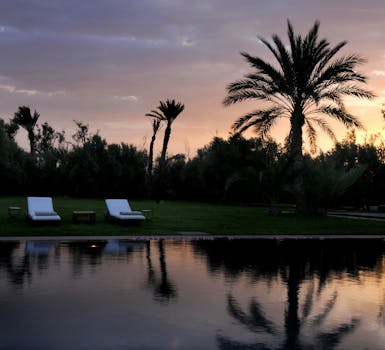
Not every expat wants an apartment, and some come looking for a villa with a garden, a pool, and more space.
The most popular areas for a long term villa are the Palmeraie, Targa, Route de l’Ourika, and Amelkis.
Villa rents in the Palmeraie usually sit well above apartment rents and vary heavily according to the location, size, condition, garden, pool, and included services.
Before signing, confirm in writing who pays for pool maintenance, garden upkeep, security staff, general repairs, and the full water and electricity cost.
Pool care, garden maintenance, staff, water, electricity, security, and repairs can add substantial monthly costs, and landlords do not always mention them.
Riads in the Medina are another option for something traditional, although they differ from modern apartments in access, light, noise, maintenance, and services.
The same ownership checks apply, which is also why buying a riad in Marrakech carries its own legal risks worth understanding before you ever consider purchasing one.
FAQ: renting in Marrakech as an expat
Can foreigners rent apartments in Marrakech?
Yes, foreigners can usually rent an apartment with a passport, although the lease does not change their immigration status.
Do I need Moroccan residency to sign a lease?
A foreigner can commonly sign a lease without Moroccan residency, but the lease does not extend your legal stay, so manage your visa or residency separately.
How do I find a reliable rental agent in Marrakech?
Ask which area they specialize in, whether they represent the owner, what the commission is, when it is payable, whether they can arrange several relevant viewings, and whether they can show proof of authority or direct owner contact.
How much deposit is normal?
One or two months of rent is common, sometimes more, and the amount and return conditions should be written clearly into the lease.
When should the landlord return my deposit?
There is no single universal deadline, so the lease should state the inspection process, the expected return timeframe, the permitted deductions, the utility reconciliation, and the payment method, and you should seek independent local advice if the deposit is withheld without a clear explanation.
Can I rent for only one month?
Yes, through a furnished monthly rental or short stay booking, which costs more per month than a standard long term lease on the same apartment.
Can I rent a riad or traditional home near the souks?
Yes, although Medina properties differ from modern apartments in access, light, noise, maintenance, and services, so visit at different times before committing.
Can breakfast or cleaning be included?
Those services normally point toward a serviced rental or guesthouse arrangement rather than a basic long term residential lease.
What documents should the landlord show me?
The identity, the ownership or authority documents, and the name on the lease should all match, and any doubt about ownership is worth resolving before you pay.
How do I avoid fake rental listings?
Visit the apartment, verify the owner or representative, compare the listing details across platforms, and never send a holding deposit from abroad.
Final reminder before you rent in Marrakech
Renting in Marrakech can be straightforward when you compare prices, view the apartment, verify the owner, and read the contract before paying.
Confirm utilities, syndic, repairs, agent fees, notice periods, and deposit conditions in writing.
This guide is based on my real Marrakech property experience, not on theory, but I am not a lawyer, a notary, or a licensed agent, so treat it as practical guidance rather than legal advice.
Many expats rent for a year, learn the city, and then buy, and if that might be you, read my guide to buying property in Marrakech as a foreigner.
Before any purchase, learn how property due diligence in Morocco works so you know exactly what to check first.
Already considering a property?
See the 14 Day Buyer Plan: $299 →Get 14 days of personal buyer support, three private calls and WhatsApp support.
Get help reviewing up to three properties before you commit money.

Anis is the founder of Buy Property Morocco, a research-based resource created to help foreign buyers understand the real process of buying property in Morocco safely.
He focuses on the practical details most buyers only discover too late: title deed checks, notary steps, compromis de vente risks, transfer taxes, foreign banking rules, repatriating money after a sale, and avoiding common mistakes when dealing with agents or sellers.
Anis has personally bought 4 properties in Morocco and shares practical guidance based on real experience, not theory.
If you are seriously considering buying property in Morocco and want private guidance before you send money, pay a deposit, or sign anything, you can book a buyer safety call here: