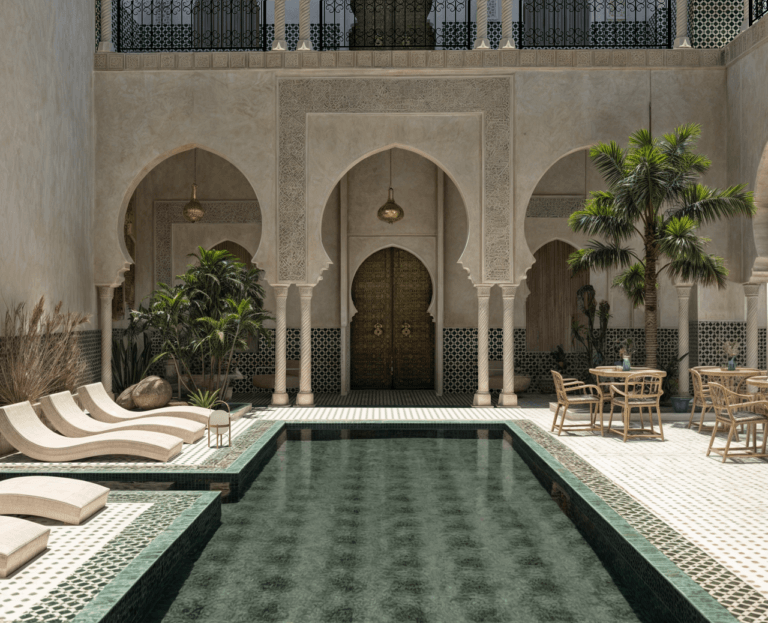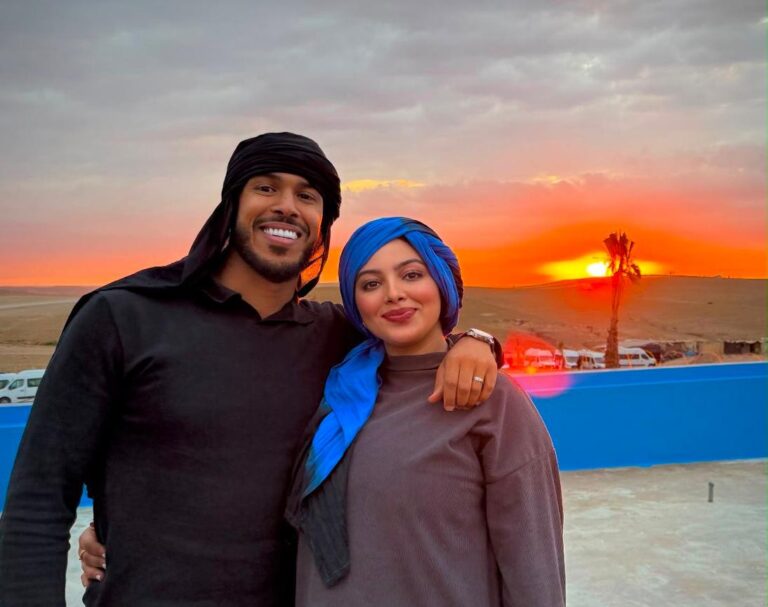
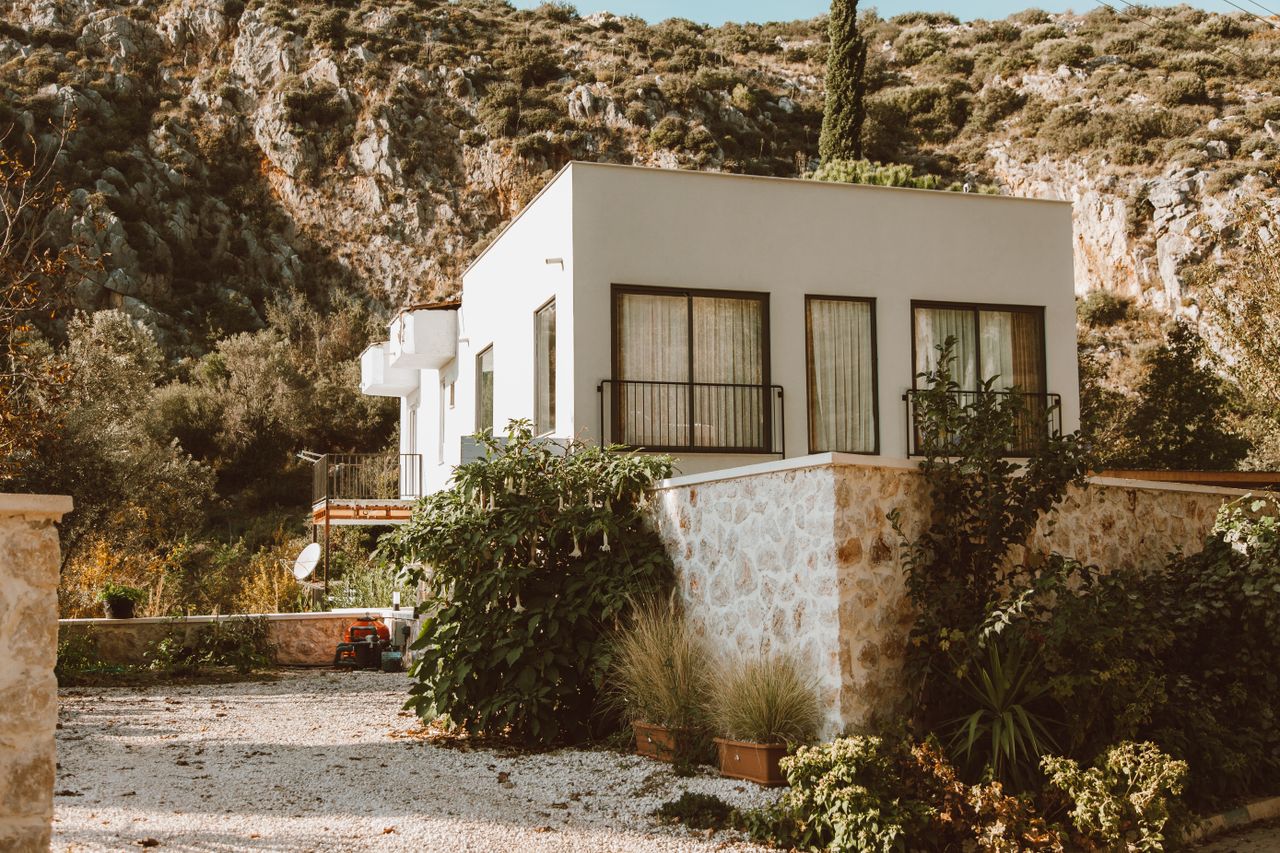
Buying a vacation home in Morocco is possible for most foreign buyers.
The legal route is usually clear when the property is urban and properly titled.
However, ownership rights are rarely what cause problems later.
Trouble more often comes from the parts people plan last.
Those parts include the location, the full cost, the verification, the payment route, and the care of the home while you are abroad.
Below, they appear in the order a careful buyer should handle them.
At a glance
- Foreign buyers can generally purchase titled urban property, including apartments, villas and riads.
- Agricultural land follows different rules and must be checked before any payment.
- Core acquisition costs often add roughly 6% to 7% on top of the price, so ask for a written estimate.
- Annual local taxes depend on the property, its use and your own situation, so confirm your position.
- Owning property does not automatically give you residency in Morocco.
- Looking after a home that stands empty for months is the part most buyers underestimate.
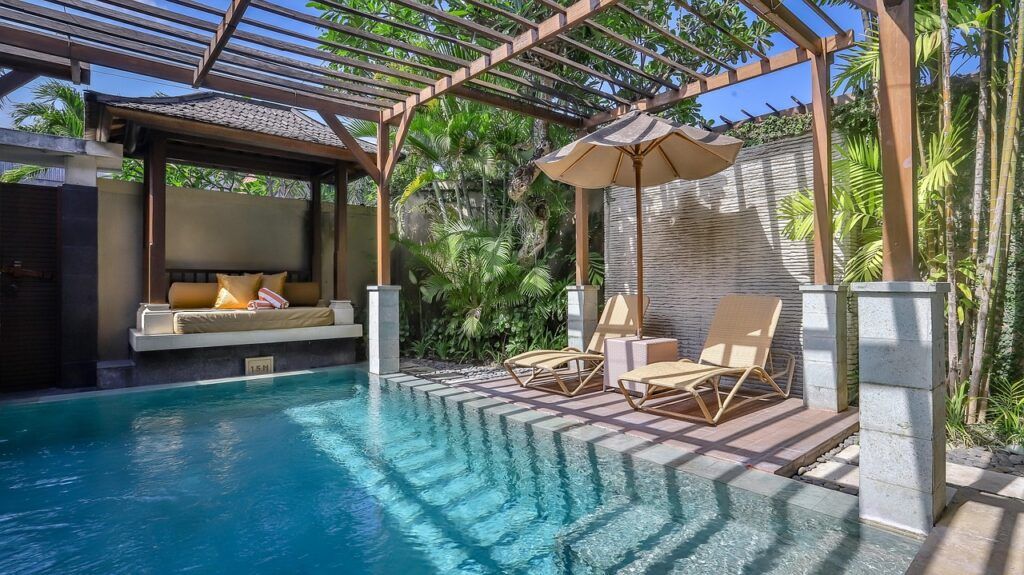
Can foreigners buy a vacation home in Morocco?
In general, foreign nationals may buy built urban property in Morocco.
That includes apartments, villas, houses and riads.
There is no requirement to hold residency, and no obligation to buy through a Moroccan partner.
The clearest situation is a property registered with a Titre Foncier, which is the official land title held by the national land registry.
A registered title gives professionals something reliable to check before you pay anything.
Traditional ownership documents, often called Melkia, work differently.
Melkia property can require additional legal review and may not suit a buyer seeking simple remote ownership.
Agricultural land remains the main restriction that still affects foreign buyers.
Land classified as agricultural cannot simply be bought and used for a private house by a foreign national.
Instead, its status must be changed through an official procedure before that becomes possible.
Therefore, any countryside plot or rural project needs the land classification confirmed in writing before money moves.
Our guide to the AVNA certificate and rural land status in Morocco explains why that document matters.
For the wider legal picture, see the overview of buying property in Morocco as a foreigner.
Should you rent in Morocco before buying?
Renting first is not a rule, yet it answers questions that photographs cannot.
A short hotel stay tells you very little about living somewhere.
Renting for a few weeks tells you about noise, traffic, water pressure, parking and neighbours.
Seasons matter even more.
Marrakech in April feels very different from Marrakech in July.
Similarly, a coastal town in August feels nothing like the same town in January.
For example, a lively seafront street may be half closed outside the tourist season.
When buying directly may still make sense
Some buyers already know a Moroccan city well after years of visits.
Others have family nearby, or have rented in the same neighbourhood several times.
In those cases, waiting another year mainly costs time.
Meanwhile, a buyer who visited once has very little information about daily life there.
That buyer usually gains more from one long rental than from a fast purchase.
Our comparison of renting or buying property in Morocco goes through the choice in more detail.

Which Moroccan location matches how you will use the home?
Start with your travel pattern rather than with the property market.
Ask how often you will realistically come, in which months, and for how long.
A home you reach twice a year needs a different setup from one you reach every second month.
Next, think about who else will use it, because family visits change the size you need.
Finally, consider services, since healthcare, shops and reliable trades matter more as owners get older.
| Location | Suits a buyer who | Main drawback |
|---|---|---|
| Marrakech | Wants city life, restaurants, a large tourist market and many service providers | Very hot summers and no coast |
| Agadir | Wants beach access, wide roads and a mild Atlantic climate for much of the year | Quieter cultural life than the big historic cities |
| Essaouira | Likes a small coastal town, cooler air and a walkable historic centre | Strong wind and a quiet low season |
| Tangier and the north | Travels from Europe often and wants a coastal city with year round activity | Wetter, cooler winters than the south |
| Casablanca or Rabat | Values services, healthcare and administration over holiday atmosphere | Less suited to a pure holiday home |
No single city works for everyone.
The honest answer depends on your months, your budget and your tolerance for heat.
If you are still narrowing the map, our roundup of the best places to buy property in Morocco compares more cities.
Still comparing cities and property types?
You can book a free 15 minute Morocco Buyer Safety Call to talk through your intended use, preferred location, property type, budget, buying stage and main concerns.
Which property type is easier to own from abroad?
The property type strongly influences how much attention the home will need.
Think about maintenance before you think about charm.
Apartments
An apartment in a managed building is often the simplest holiday home to leave empty.
Shared services such as cleaning, security and the lift are handled by the building association, known locally as the syndic.
Before buying, ask for the syndic accounts, the monthly charge and the building rules.
Request written confirmation that the seller owes nothing to the building.
Also check water pressure, common areas, parking, and whether short stay guests are allowed there.
Villas
A villa gives space and privacy, yet it usually demands more attention.
Gardens, pools, pumps, gates and roofs all need someone on site regularly.
In addition, the land title, boundaries, access road, utility connections and building permissions should be verified rather than assumed.
Our guide on buying a villa in Marrakech covers those checks in detail.
Riads
A riad in a medina is beautiful, and for a part time owner it can be the most demanding option.
Ownership can involve several heirs, access can be narrow, and older structures may hide damp or roof problems.
Renovation and tourism use can also bring permission and safety requirements.
Read the legal risks of buying a riad in Marrakech before you commit to one.

The vacation home decision path
1. Define the use
Set the number of visits, the months, the length of stay and who else will use the home.
2. Test the location
Stay in the exact area once in high season and once in low season before choosing.
3. Match the property type
Pick the level of upkeep you can pay for and supervise from your home country.
4. Build the full budget
Add purchase costs, furniture, yearly taxes, charges, insurance and management to the price.
5. Verify title and seller
Ask an independent notary for a current land registry certificate rather than a photo of a document.
6. Review the agreement and money route
Confirm refund terms, deadlines, the receiving account and the bank record of every payment.
7. Plan the empty months
Arrange keys, inspections, insurance, bills and repairs before you hand over the money.
Skipping an important verification step can create avoidable problems later.
What does buying a vacation home in Morocco really cost?
The agreed price is only the starting figure.
As a general indication, core acquisition costs often fall somewhere around 6% to 7% of the price.
That indication may exclude agency commission, mortgage costs, currency conversion, inspections, renovation, furniture, insurance and unusual legal work.
| Cost | Usual basis | What to confirm |
|---|---|---|
| Registration duty | Commonly around 4% of the declared price for built property | The rate applied to your property type |
| Land registry fees | Often quoted at about 1.5% of the declared price | The figure written on the estimate |
| Notary professional fees | Varies according to the transaction and professional quotation | The quoted fee and whether VAT is included |
| Stamps and administrative items | Smaller amounts linked to documents and formalities | The itemised list on the estimate |
| Agency commission | Applies when an agency is involved, normally with VAT | The rate and who pays it, agreed in writing |
| Additional 2% registration duty | Can apply to deeds from 1 July 2026 above 300,000 dirhams when payment is not traceable or not referenced | That the deed states your payment method and references |
This additional duty is not a universal charge on every sale.
It concerns cases where the deed omits the payment terms and references, or where the price is not settled through accepted traceable methods.
Where only part of the price is paid without traceability, the additional duty generally concerns that portion rather than the whole price.
Confirm the exact application, the exceptions and the accepted payment methods with your notary and the DGI.
Rates and rules change with each annual finance law, so treat these figures as indications only.
Request a written itemised estimate before you sign anything.
Our detailed breakdown of notary fees, registration duty and land registry costs explains how that estimate is built.
The yearly cost most second home buyers forget
Owners are generally liable for an annual housing tax and a communal services tax.
Both are calculated on a rental value set by the tax administration.
A property occupied as a main residence can benefit from a large reduction on that value.
However, a holiday home used a few weeks a year does not normally receive that reduction.
A temporary exemption exists for qualifying new construction, and it is linked to main residence use.
Therefore, a newly built vacation home does not automatically qualify for it.
Treatment can also depend on the property, its classification, its location and the owner’s own circumstances.
Confirm your position with the DGI or a qualified Moroccan tax adviser before you budget.
What running the home can cost every year
- Housing tax and communal services tax
- Syndic charges for an apartment or a managed residence
- Home insurance, including cover while the property is empty
- Electricity and water standing charges
- Cleaning before and after each visit
- Someone to check the property between visits
- Pool, garden and pump maintenance for a villa
- Repairs, replacement furniture and appliances
- Your own flights and travel to reach the home
Unsure whether your budget really covers the full picture?
You can bring your price range, your chosen property type and the costs you have been quoted to a free 15 minute Morocco Buyer Safety Call.

What should you verify before paying a deposit?
Verification is where a holiday home purchase is won or lost.
A photograph or photocopy is not enough for a current independent title check.
Instead, ask an independent notary to obtain a current certificate from the land registry, the ANCFCC, using the official property certificate service.
Before you pay anything
- Confirm the exact property reference, floor, surface and boundaries.
- Match the registered owner against the identity documents.
- Verify that the seller has authority to sell, especially with several owners or heirs.
- Check the title for mortgages, charges, disputes or restrictions.
- Ask whether the building or any extension was properly authorised.
- Request written proof that syndic charges and utility bills are settled.
- Arrange an independent condition assessment for older property.
Choose an independent notary after checking the professional’s credentials, rather than accepting whoever the seller proposes.
Our step by step guide on verifying a title deed before buying in Morocco shows what the certificate should contain.
From my experience
I am Anis Chity, I live in Marrakech, and I have personally bought four properties here.
What those purchases taught me is that the property itself is only one part of the decision.
The title, the seller, the building and the total cost matter just as much.
So do the payment route, the intended use and the ongoing management, which together decide whether the purchase remains suitable over time.
What is the notary’s role, and when do you need a lawyer?
A Moroccan notary authenticates the sale deed and handles the registration formalities.
That role is central, and it brings important protection to the transaction.
However, the notary is not automatically a replacement for legal representation of your own interests.
When you need personal advice, negotiation support or representation, work with a qualified Moroccan lawyer as well.
Check the credentials of any professional before you share documents or send money.
More detail sits in our guide to buying property in Morocco through a notary.
How should reservation agreements and deposits work?
Some sellers and agencies ask for a reservation payment early, sometimes before documents have been checked.
That request can be normal, yet the terms around it decide whether your money is at risk.
Agreements also vary, since a reservation note, a written offer and a preliminary sale contract do not carry the same weight.
Therefore, have a notary or lawyer read the document before you sign it or transfer anything.
Holding a deposit through a notary is not automatically safe on its own.
Ask for written confirmation of how the money is held, when it may be released, and when it must be refunded.

Questions to answer before the money leaves your account
- Who exactly receives the payment, and into which account
- Why the payment is required at this stage
- Which property the payment relates to, described precisely
- Whether the amount is refundable, and under which conditions
- If the title check reveals a problem, is the money returned
- Should the seller withdraw, what are you entitled to
- Where financing is refused, does the agreement release you
- Which deadlines apply to each side
Our guide to property deposits for foreign buyers in Morocco explains the wording to look for.
How does the buying process work?
Every transaction differs, so treat the following as a safe order rather than a fixed timetable.
- Decide how you will use the home, then set your total budget including yearly costs.
- Visit the area, ideally in more than one season, and view several properties.
- Choose an independent notary, and a lawyer if the situation is complex.
- Ask for the ownership documents, the building documents and proof that charges are paid.
- Have the title and the seller’s authority verified through the land registry.
- Arrange an independent condition check for an older building, a villa or a riad.
- Review the preliminary agreement before signing.
- Send funds through a traceable banking route, keeping every confirmation.
- Sign the final deed once the checks are complete.
- Wait for registration, then collect the updated ownership record in your name.
Registration is the step that makes you the recognised owner, so keep the final documents safely.
How should you send money from abroad?
How you finance and document the purchase can materially affect how sale proceeds may be transferred abroad later.
Foreign buyers normally bring funds in foreign currency through the Moroccan banking system.
Many use a convertible dirham account, which is designed for money coming from abroad.
Under the foreign exchange framework, qualifying foreign investments financed and documented through the appropriate route may benefit from convertibility protections.
Those protections depend on conditions, thresholds and paperwork, so no transfer should be treated as automatic.
You can read the official position on the Office des Changes website.
Records worth keeping from the first payment
- Bank transfer confirmations for every payment
- Foreign currency and exchange documents issued by your Moroccan bank
- The purchase deed, and later the sale deed
- Tax payment records connected to the property
- Notarial records and receipts
- Any further document requested by your bank or the Office des Changes
Missing documentation can create problems during a later transfer.
Confirm the correct route with your bank and your notary before the first payment, not after it.
Our explanations of the convertible dirham account and of repatriating money after selling property in Morocco cover the paperwork in more depth.
How can you look after the home while you live abroad?
A vacation home often stands empty for long periods.
Small faults can become expensive during those months.
A slow leak, a blocked drain or a failed appliance may cause real damage before anyone notices.
Decide who holds the keys and who is responsible before completion.
A simple remote ownership setup
- A named person who visits regularly and sends photographs
- Written instructions on shutting off water and power between visits
- Ventilation and damp checks, especially in coastal and older property
- Insurance that covers the property while it stands empty
- Bills paid automatically so services are never cut
- A Moroccan contact address for syndic notices and official mail
- An agreed emergency contact, with a plumber and an electrician
- Written records and receipts for every repair paid
Property management companies operate in the main cities, although quality varies widely.
Ask any manager for a written agreement covering visits, reporting, costs and how repairs are approved.
Meanwhile, avoid arrangements where a friend holds keys informally with no written scope.
A villa with a pool often needs more attention than an apartment in a staffed residence.
Can you rent the property between visits?
Occasional rental is possible for some owners, yet it should never be assumed at the point of purchase.
First, check the building rules, because many residences restrict or ban short stay guests.
Short stay tourist accommodation in Morocco is regulated, notably under Law 80.14 and its implementing decree 2.23.441.
Renting a furnished home to travellers can therefore fall within tourist accommodation rules rather than ordinary residential letting.
Requirements may cover operating authorisation, guest declarations, insurance, safety standards and local tourist taxes.
Not every situation follows one identical process, since the category of accommodation and the way the activity operates can change what applies.
Rules can also depend on the property, the building regulations, the city and the local administration.
Verify the current requirements with the relevant local authority, the tourism authority, the syndic, a tax adviser and a qualified lawyer.
Rental income is taxable, and guests bring cleaning costs, wear, key handovers and occasional complaints.
Never buy on the basis of promised occupancy, since permission, demand and income are never guaranteed.
If rental genuinely matters to your plan, read our guide to short stay rental rules and costs in Morocco before committing.
Does buying a home in Morocco give you residency?
Owning property does not automatically grant residency, permanent residency or citizenship in Morocco.
Entry conditions depend on your nationality, your travel documents and the rules in force at the time.
Requirements for longer stays also depend on your personal situation and the authority handling the file.
Property ownership may support a residence application as evidence of accommodation and ties.
However, ownership never guarantees approval, and other conditions still apply.
Confirm entry and residence requirements with the appropriate Moroccan consulate or immigration authority.
Where the situation is complex, a qualified Moroccan immigration lawyer is the right person to ask.
When should you pause or walk away?
Warning signs often appear as inconsistent documents, unclear ownership, pressure to decide quickly, or unusual payment requests.
| Warning sign | Safer response |
|---|---|
| You are told another buyer will take it today | Let it go, and keep your verification order intact |
| Ownership documents are refused or only shown as photos | Ask a notary to obtain a current registry certificate |
| The named owner keeps changing in conversation | Pause, and require written proof of authority to sell |
| You are asked to pay cash or a personal account abroad | Insist on a traceable banking route recorded in the deed |
| The deposit terms say nothing about refunds | Do not sign until refund conditions are written down |
| Rental returns are promised with no evidence | Value the property on personal use alone |
| You are told professional checks are unnecessary | Treat this as a reason to end the discussion |
Walking away from a property costs you a viewing trip.
Walking into an unclear title can cost far more.
Our list of red flags foreign buyers should check in Morocco covers more patterns worth knowing.
What should you check before moving forward?
Run through this list before you sign anything or send any money.
- Intended use: how many weeks a year, in which months, and with whom
- Location: tested outside the tourist season, not only during a holiday
- Property type: matched to the upkeep you can supervise from abroad
- Purchase budget: price plus acquisition costs, set out in a written estimate
- Ownership budget: taxes, charges, insurance, management and repairs each year
- Title: a current land registry certificate, not a photograph
- Seller authority: identity, ownership share and consent of any other owners
- Condition: checked independently for older property, villas and riads
- Deposit terms: refund conditions, deadlines and how the money is held
- Payment route: traceable, documented and recorded in the deed
- Remote management: keys, inspections, bills and emergency contacts arranged
- Rental rules: verified for that building and city, if rental is part of your plan
- Professional review: an independent notary, plus a lawyer where the situation is complex
When every line has a clear answer, a holiday home in Morocco becomes a calm decision rather than a gamble.
About to view, reserve or pay for a property?
Book a free 15 minute Morocco Buyer Safety Call before you pay a deposit or sign anything.
Bring the property details, the asking price, the location and your intended use.
Share the documents you have received and the payment you have been asked to make.
I will talk through the obvious risks and the safest next step with you.
The call is a short conversation about your situation, not legal advice, tax advice or formal document verification.

Anis is the founder of Buy Property Morocco, a research-based resource created to help foreign buyers understand the real process of buying property in Morocco safely.
He focuses on the practical details most buyers only discover too late: title deed checks, notary steps, compromis de vente risks, transfer taxes, foreign banking rules, repatriating money after a sale, and avoiding common mistakes when dealing with agents or sellers.
Anis has personally bought 4 properties in Morocco and shares practical guidance based on real experience, not theory.
If you are seriously considering buying property in Morocco and want private guidance before you send money, pay a deposit, or sign anything, you can book a buyer safety call here: