If you rent out your Moroccan apartment or house for more than 30 days, Law 67-12 decides most of the rules, and many of them protect the tenant more than foreign owners expect.
The deposit is capped at two months’ rent, increases are limited, and you cannot take the property back just because you want to.
This guide explains what the law requires of you as a landlord, how to deal with unpaid rent, and what to plan before you sign your first lease.
Quick answer
Law 67-12 applies to homes and professional premises let for more than 30 days, furnished or not. The lease must be written and dated, the deposit cannot exceed two months’ rent, and rent can only be raised every three years, by up to 8% for a home, although a court can go further when the rent exceeds 400 dirhams a month. A lease does not end by itself: you must serve a notice with a legal reason, such as taking the home back for your family, and in that case you pay the tenant one year’s rent as compensation. For unpaid rent, the law has a fast court procedure.
This article is general educational information based on the official consolidated text of Law 67-12, not legal advice. Have your lease reviewed by a Moroccan lawyer, especially if you plan to take the property back one day.
Which rental law applies to your property?
Law 67-12 governs leases of premises used as a home or for a professional activity, furnished or not, when the rental lasts more than thirty days, including attached cellars, garages, terraces and gardens (Law 67-12, article 1, consolidated text on the Ministry of Justice portal).
It was published in Bulletin Officiel no. 6208 of 28 November 2013 and amended in 2019 on abandoned premises.
Shops and other commercial premises follow a different law, and holiday lets of 30 days or less fall outside Law 67-12 and are governed by other rules, such as those on tourist accommodation.
If you plan short stays instead, read what Moroccan law requires before you rent to tourists.
If you are deciding between the two models, our comparison of Airbnb and long term rental in Marrakech looks at the numbers.
What must your lease contain?
The lease must be a written document with a certain date, and it must state at least (article 3):
- The names, profession, address and ID document of landlord and tenant, and details of any representative.
- A description of the premises, the annexes and the equipment for the tenant’s exclusive use.
- The rent and how often it is paid.
- The charges the tenant pays, such as building charges where agreed.
- How rent and charges are paid.
- Any special obligations of each party.
The law also requires an inventory of the condition of the property at check in and at check out, attached to the lease (article 7).
It must be detailed, and the law tells you to avoid vague words like “good condition” (article 8).
If you skip it, the tenant is presumed to have received the property in a usable state, which makes damage claims harder later.
For an owner living abroad, photos and a signed inventory are your main evidence, so do not let an agent treat them as a formality.
How much deposit can you ask for?
The security deposit cannot exceed two months’ rent (article 20).
It must be returned within one month of the tenant handing back the property, minus amounts owed to you, provided you can prove them.
The parties can also agree to use the deposit to cover the last months of rent.
You must give the tenant a signed receipt for each payment, separating rent from charges (article 11).
In practice, ask for rent by bank transfer, so the receipt and the bank record match.
Already considering a property?
See the 14 Day Buyer Plan: $299 →Get 14 days of personal buyer support, three private calls and WhatsApp support.
Get help reviewing up to three properties before you commit money.
How often can you increase the rent?
The parties may agree on how rent is revised, but no increase can be agreed within three years of the lease or of the last revision, and not above the rates set by the law (article 32).
| Type of premises | Maximum increase every three years | Source |
|---|---|---|
| Home | 8% | Law 67-12, article 34 |
| Professional premises (non commercial) | 10% | Law 67-12, article 34 |
| Rent above 400 dirhams a month, revised by a court | Court may go beyond, up to 50% | Law 67-12, article 35 |
So if you buy with a tenant already in place, or let too cheaply at the start, you may live with that rent for years.
Set your starting rent carefully using current asking rents, such as those in our guide to how much rent costs in Morocco.
Who pays for repairs?
The landlord must maintain the property so it can be used as agreed and carry out all necessary repairs (article 10).
If you do not act within a month of a formal request, the tenant can ask the court for permission to do the work and deduct it from the rent.
Small routine repairs, such as locks, taps, paint and electrical fittings inside the home, are the tenant’s responsibility unless the lease says otherwise (article 19).
The tenant cannot make changes without your written consent, and cannot sublet a home without your written consent either (articles 15 and 39).
If you own from abroad, decide before you let who will receive repair calls and who can approve spending on your behalf.
What can you do if the tenant stops paying?
Law 67-12 gives landlords a dedicated procedure when the lease is written and dated (articles 22 to 27).
- You ask the president of the court of first instance for permission to serve a formal demand for payment.
- The demand gives the tenant at least fifteen days to pay.
- If the tenant does not pay, you ask the court president to validate the demand and order payment.
- The law says the order is issued within 48 hours of the request being registered.
If the tenant still does not pay after a formal demand, you can ask the court to end the lease and order eviction without a separate notice to leave (article 56).
You cannot change the locks or remove the tenant yourself, and doing so exposes you to legal action.
This is one more reason the written, dated lease matters: without it, you lose the fast route.
Can you take your property back?
Not freely. A lease covered by Law 67-12 does not end until the landlord serves a notice to vacate, validated by a court if needed (article 44).
The notice must rely on a serious and legitimate reason, such as (article 45):
- Taking the home back to live in yourself, or for your spouse, children or parents.
- Demolition, rebuilding or necessary works that require the tenant to leave.
- Persistent late payment.
The notice must state the reason and give at least two months (article 46).
To take a home back for personal use, you must have owned it for at least 18 months and the person moving in must not already have suitable housing (article 49).
If the court validates the notice, you pay the tenant moving costs plus compensation equal to one year’s rent (article 51).
If the reason turns out to be false or you do not carry it out, the tenant can claim damages of at least one year’s rent (article 52).
A sale does not end the lease either: it continues with the new owner on the same terms (article 4), as our guide to buying a property with a tenant in Morocco explains.
If you want to spend a few months a year in your own home, a long term lease and that plan rarely fit together.
What did my own rented property teach me?
My first purchase in Marrakech came with a shop already rented for around €400 a month.
When I wanted to redo the contract, the tenant refused, and his lawyer explained that the existing lease stayed as it was until the property was registered in my name.
The lawyer was right, and the rent came to me after the transfer under the same contract.
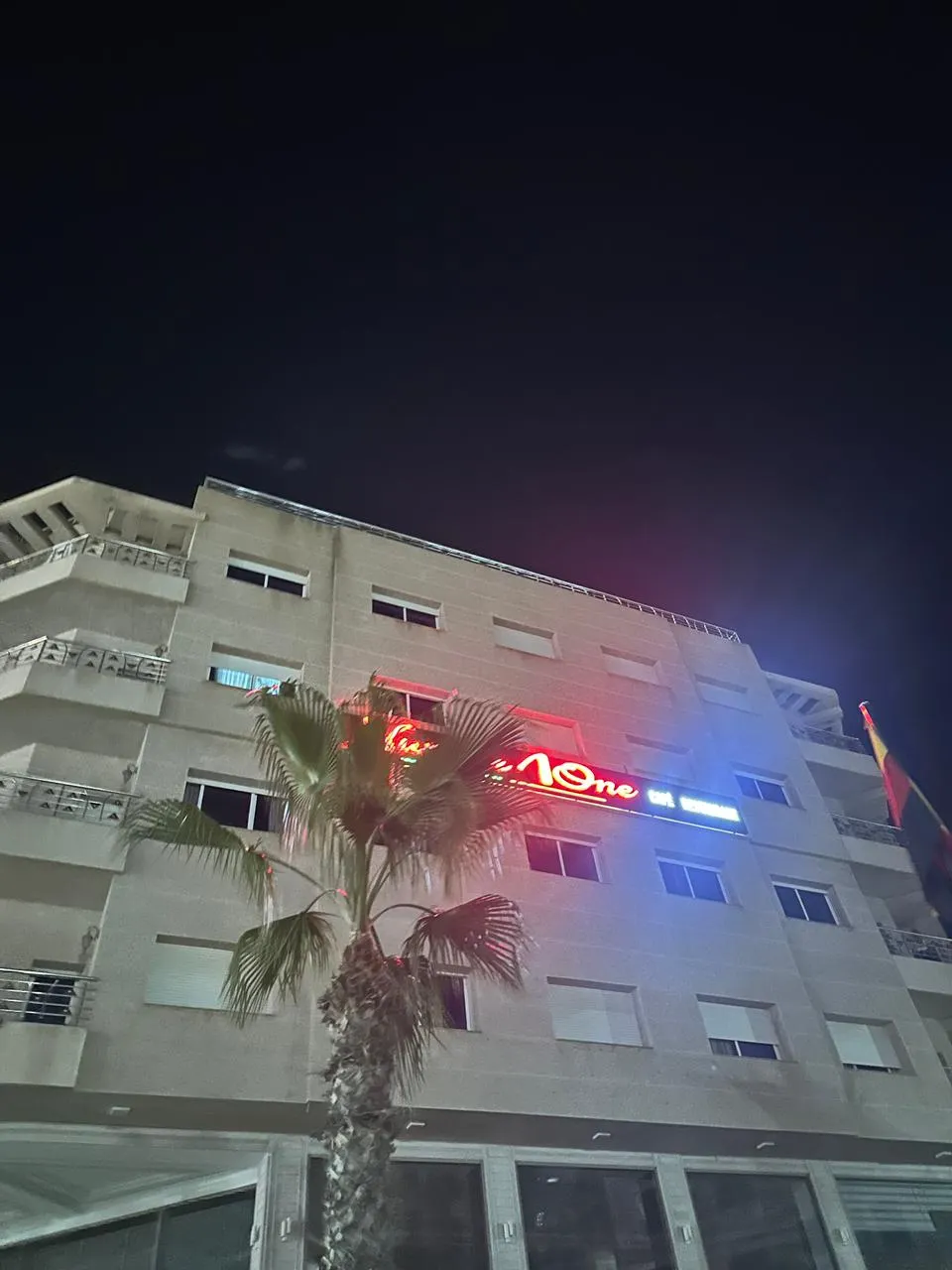
That was a commercial lease, which follows a different law, but the lesson is the same for apartments: the lease you sign, or inherit, is part of the property’s value.
I looked at Marrakech partly for its rental demand, and that demand is worth something only if your lease is clear, your tenant is checked, and your rent can be collected.
Already considering a property?
See the 14 Day Buyer Plan: $299 →Get 14 days of personal buyer support, three private calls and WhatsApp support.
Get help reviewing up to three properties before you commit money.
What should you prepare before letting?
- A written lease with all the mentions required by article 3, signed and given a certain date, for example by having the signatures certified.
- A detailed inventory with photos, signed at check in.
- A deposit of no more than two months’ rent and a clear rule for returning it.
- Rent paid by bank transfer, with receipts.
- A local person you trust, with a written mandate, to handle visits and repairs.
- A building check: syndic rules and charges, explained in our guide to syndic fees in Morocco.
- A tax plan: rent is taxable in Morocco, see our guide to rental income tax for foreigners.
Frequently asked questions
Does Law 67-12 apply to furnished apartments?
Yes. It covers homes and professional premises let for more than 30 days, furnished or not. Short holiday lets of 30 days or less fall outside it.
What is the maximum deposit in Morocco?
Two months’ rent, under article 20 of Law 67-12. It must be returned within a month of the keys being handed back, minus proven amounts owed.
How much can a landlord raise the rent in Morocco?
Not within three years of the lease or the last revision, and by up to 8% for a home or 10% for professional premises, unless a court decides otherwise for rents above 400 dirhams a month, within a 50% cap.
Can I evict a tenant to move into my own apartment?
Possibly, with a two month notice stating the reason, if you have owned the property for at least 18 months and do not already have suitable housing. If the court validates it, you pay moving costs and one year’s rent as compensation.
Can I evict a tenant for unpaid rent quickly?
There is a fast payment procedure through the court president when the lease is written and dated. If the tenant does not pay after the formal demand, you can ask the court to end the lease. You cannot evict the tenant yourself.
Should you sign a long term lease?
Sign one if you want steady income and accept that the tenant will have strong rights for years.
If you need the property back at short notice, a long term lease is the wrong tool, and you should plan your use of the property first.
Either way, get the lease, the inventory and the deposit right on day one, because the law makes them hard to fix later.
Already considering a property?
See the 14 Day Buyer Plan: $299 →Get 14 days of personal buyer support, three private calls and WhatsApp support.
Get help reviewing up to three properties before you commit money.

Anis is the founder of Buy Property Morocco, a research-based resource created to help foreign buyers understand the real process of buying property in Morocco safely.
He focuses on the practical details most buyers only discover too late: title deed checks, notary steps, compromis de vente risks, transfer taxes, foreign banking rules, repatriating money after a sale, and avoiding common mistakes when dealing with agents or sellers.
Anis has personally bought 4 properties in Morocco and shares practical guidance based on real experience, not theory.
If you are seriously considering buying property in Morocco and want private guidance before you send money, pay a deposit, or sign anything, you can book a buyer safety call here: