Buying a property in Morocco does not move the seller’s water and electricity contracts into your name: the seller has to cancel their subscription, and you open a new one in your own name at the local distributor’s agency.
In Marrakech that distributor is now the SRM Marrakech-Safi, which took over from RADEEMA in November 2024, and it will ask for your ID, proof that you own the property and, for some homes, the habitation or conformity certificate.
I’m Anis Chity, based in Marrakech, and I have bought four properties in Morocco. The title and the notary get all the attention, but the small practical steps after the deed are where foreign owners often lose time.
This guide covers the electricity and water connection after buying property in Morocco, from the checks before the deed to the first bill in your name.
Quick answer
A water and electricity contract belongs to the person, not to the property. Before the final deed, ask for the latest paid bills and agree in writing that the seller will cancel their subscriptions. After the deed, take your passport or residence card and your proof of ownership to the distributor’s agency; the SRM Marrakech-Safi website gives about 48 working hours for a new subscription. Until a contract is formally cancelled, the old holder remains responsible for it.
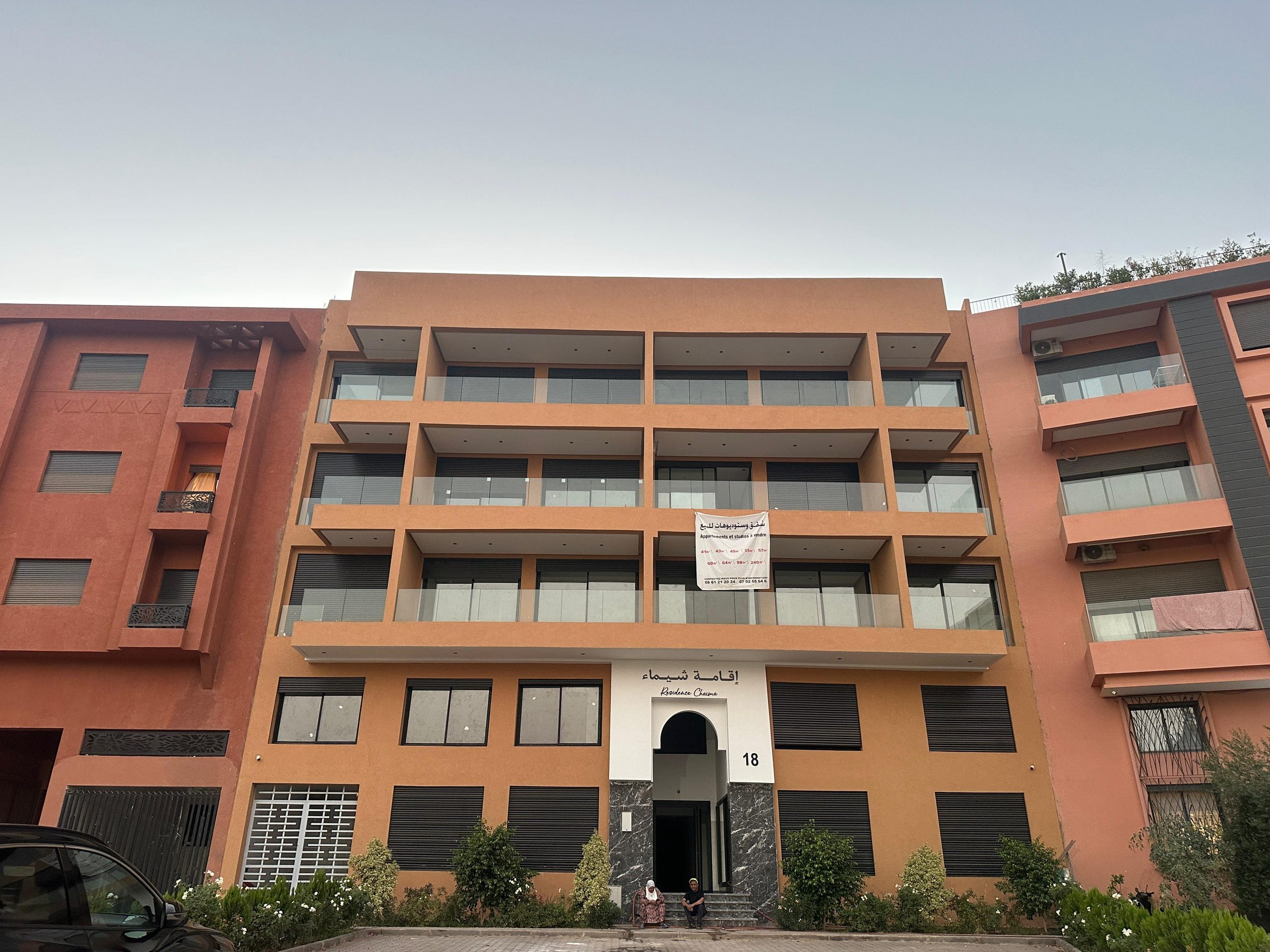
This guide is general information based on the distributors’ published pages checked on 24 October 2026. Procedures can change, so confirm the current list at your local agency.
Does the seller’s water and electricity contract pass to you automatically?
No. The SRM Marrakech-Safi website says that simply moving out does not cancel a subscription, and that the customer stays responsible until the water and electricity contract has been regularly cancelled (SRM Marrakech-Safi, particuliers page).
The same page says that, in case of a sale or a move, the customer must cancel the contract immediately.
The SRM Souss-Massa explains the same logic: the holder stays liable for consumption until the meter is removed, and for any sums still unpaid at that date (SRM Souss-Massa, cancellation page).
For you as the buyer, this has two practical effects.
The bills keep arriving in the seller’s name, so you cannot easily check what you are consuming or prove your own payments.
And if old bills are unpaid, sorting it out once you have moved in is harder than sorting it out before you pay the price.
What is the difference between a subscription and a connection?
Two French words come up at the agency.
- Abonnement: the subscription, the contract in your name that lets you consume and receive bills.
- Branchement: the connection, the physical link between the property and the network.
An existing home already has its connection, so as a buyer you normally only need a new subscription.
The SRM Marrakech-Safi page adds that a subscription can only be opened once any connection quotes have been paid and the applicant’s own arrears, if any, are settled.
Who supplies water and electricity in Marrakech now?
Since 1 November 2024, the Société Régionale Multiservices Marrakech-Safi has managed drinking water, electricity and liquid sanitation in the region, according to press reports of its launch (Le Matin, November 2024).
It replaced RADEEMA in Marrakech, RADEES in Safi and the distribution activities of ONEE in the region.
Le Matin reported that its area covers the prefecture of Marrakech and the provinces of Chichaoua, Al Haouz, El Kelaâ des Sraghna, Essaouira, Rehamna, Safi and Youssoufia.
Le Matin notes that these companies were created under Law 83-21 on regional multiservice companies (Le Matin).
In practice, you will still hear people say “RADEEMA”, and older bills or signs may carry the old name.
What matters is the company printed on the seller’s latest bill, because that is who you will deal with.
Other regions already have their own regional company, for example the SRM Souss-Massa around Agadir and the SRM Rabat-Salé-Kénitra, while names differ elsewhere, so check the latest bill wherever you buy.
What should you check about utilities before signing the final deed?
Most utility problems can be avoided before you pay, when you still have leverage.
- The latest paid bills: ask for the last water and electricity bills, with proof they were paid, and the contract numbers.
- Contract references: note them from the latest bills, because the seller needs them to cancel.
- Name and address: check that the bills match the seller and the exact property, not a neighbour’s flat or a previous owner.
- Individual or shared meters: the SRM Souss-Massa warns that a collective meter raises the risk of falling into higher tariff bands (SRM Souss-Massa FAQ).
- Final or temporary supply: in a recent building, check that the home has a normal subscription and is not still on a site supply.
- A clause in the compromis: write that the seller cancels their subscriptions at the deed and pays the final bills.
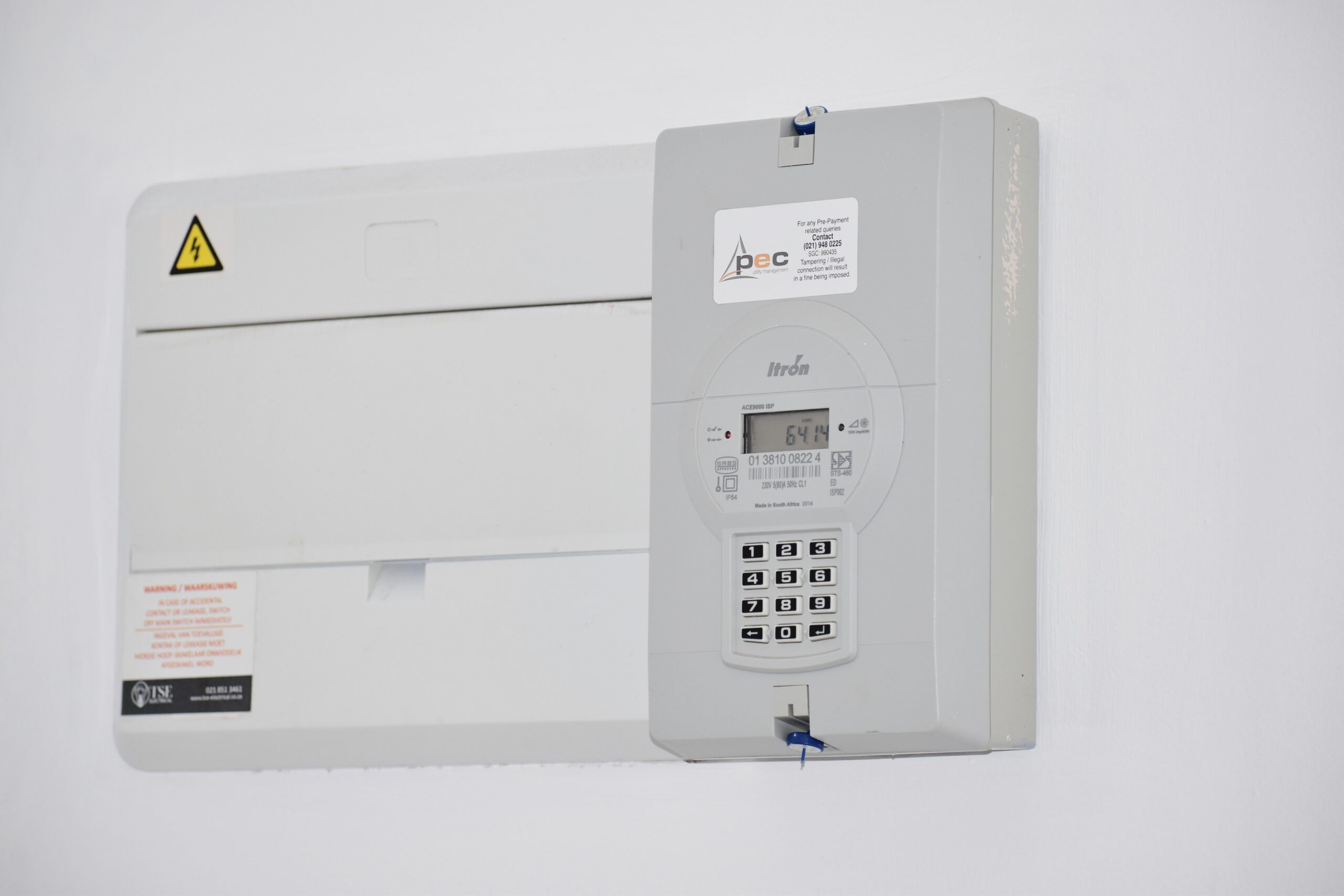
- A meter reading on handover day: note the index together and take photos of both meters.
Ask your notary whether part of the price can be held back until the seller shows the final paid bills, and agree it in writing if they accept.
Before you sign, read what to put in the compromis de vente so these points are part of the contract, not a verbal promise.
On a €54,000 apartment I wanted in a secure residence with a pool, the owner kept changing what was included, first the television and then other items, and with the delays on top the deal never happened.
Bills and meter readings are exactly the kind of detail that disappears when it stays verbal.
The buyer checklist I use asks three questions that apply here: are there unpaid bills, are the common charges paid, and is every term written in the preliminary agreement?
Already considering a property?
Message me on WhatsApp →Send me a WhatsApp message about the property you are looking at, and I will tell you what to check before you pay anything.
Which documents does the SRM ask a new owner for?
The SRM Marrakech-Safi lists these documents for an individual subscription (SRM Marrakech-Safi):
| Document | Notes |
|---|---|
| Signed subscription application | The form is available at the agency |
| Copy of your national ID, residence card or passport | A foreign buyer can use a passport |
| Copy of the signature power of attorney | Only if someone signs for you |
| Copy of the permis d’habiter, or a connection or conformity certificate | For the first electricity subscription of the property |
| Certificat de propriété | If you are the owner |
| Owner’s authorisation, or an official document proving the right to occupy | If you are a tenant |
Other regional companies publish similar lists.
The SRM Souss-Massa accepts, for an owner, a land title with the notary’s certificate, a moulkia or an ownership attestation, and asks for a legalised or notarised proxy for absent owners and co-owners (SRM Souss-Massa, subscription page).
The SRM Rabat-Salé-Kénitra list is similar, with an extra requirement for new electricity connections, explained below (SRM Rabat-Salé-Kénitra, documents list).
Bring originals and copies of everything.
What if the land title is not yet in your name?
Right after the deed, the land registry may not have recorded the sale yet, so a certificate in your name may not exist on day one.
The SRM Souss-Massa and SRM Rabat-Salé-Kénitra lists accept a land title together with a notary’s attestation (SRM Souss-Massa, SRM Rabat-Salé-Kénitra), but the SRM Marrakech-Safi list names the certificat de propriété.
Ask the notary for an attestation of the sale you can use in the meantime, and confirm with your own agency in advance that it will accept it.
Once the registration is done, request an ANCFCC certificat de propriété in your name and keep a copy for the agency.
How does the electricity and water connection after buying property in Morocco work, step by step?
- The seller cancels: the seller, or their representative, files the cancellation request with ID and pays what is due; ask for a copy of the dated cancellation acknowledgment.
- Final reading and bill: the meter is read and a final bill is issued in the seller’s name.
- You apply: you file your subscription at the agency the property depends on, with the documents listed above.
- You pay at the counter: the SRM Souss-Massa explains that the payment covers fixed fees, meter installation and a deposit that depends on the meter size and the type of use, refunded on cancellation minus anything owed (SRM Souss-Massa FAQ).
- The meter is set up: the SRM Marrakech-Safi website states 48 working hours for the procedure, 24 hours to file and pay and 24 hours for the meter.
- You check the first bill: make sure it shows your name and the right address, because reminders go to the address on the contract.
Real waits can be longer than the published times, especially in busy periods, so do not plan a move in on the same afternoon as the deed.
The seller usually has their own reason to cancel properly: at the SRM Souss-Massa, for example, the deposit is returned only after cancellation, minus anything still owed.
Keep every receipt. If there is ever a dispute about who consumed what, the dates on your subscription and on the seller’s cancellation are your proof.
What if the seller’s bills are unpaid or the contract was never cancelled?
Under the distributors’ published rules, the contract holder stays responsible until the contract is regularly cancelled (SRM Marrakech-Safi), and at the SRM Souss-Massa the holder remains liable for any sum unpaid when the meter is removed (SRM Souss-Massa).
So start with the seller: contact them through the notary or the agent and ask them to cancel and settle the final bills.
Use the compromis clause and the dated photos of the handover meter reading as your evidence of where their consumption ended.
Then go to the agency with your ownership document, those photos and the seller’s last paid bill, and ask exactly what they need to open your own subscription.
If the seller cannot be reached, ask your notary or a lawyer what can be done.
Do not pay the seller’s arrears yourself unless you have a written agreement to deduct them from what you still owe the seller.
Should the seller cancel before or after the deed?
The safest arrangement is to coordinate both on the same day or within a few days of the deed.
If the seller cancels too early, the property may be without water or power while you wait for your own meter.
If the seller never cancels, the bills stay in the seller’s name and you have no direct relationship with the distributor.
Agree the sequence in the compromis, and keep the handover reading as the dividing line between their consumption and yours.
Already considering a property?
Message me on WhatsApp →Send me a WhatsApp message about the property you are looking at, and I will tell you what to check before you pay anything.
What changes if the property is new, rented or has shared meters?
What changes if you buy a new build or off plan apartment?
For the first electricity subscription of a property, the SRM Marrakech-Safi asks for the permis d’habiter, or a connection or conformity certificate.
Some developers hand over apartments while the building is still on a temporary supply, and the final subscription can then wait for the paperwork.
For a new electricity connection, the SRM Rabat-Salé-Kénitra also asks for a guarantee certificate for a residual current breaker that meets Moroccan standards (SRM Rabat-Salé-Kénitra), so ask the developer for it together with the permis d’habiter.
Ask the developer before handover how and when the individual meters will be opened, and read why the habitation permit matters before you buy.
What if the property is already rented?
If the property is rented, the tenant may hold the water and electricity contracts in their own name.
To subscribe, a tenant needs the owner’s authorisation or an official document proving the right to occupy, such as a lease (SRM Marrakech-Safi), and the SRM Souss-Massa says an owner’s request to cancel after a tenant leaves is handled only with proof (SRM Souss-Massa).
When I bought an apartment with a shop that was already rented, the tenant’s lawyer explained that the existing contract should stay as it was until the sale was registered in my name, and he was right.
That was about the lease, not the meters, but it taught me to settle who holds which contract in writing before the sale, rather than assume it sorts itself out.
A utility contract never moves to the new owner on registration: the tenant or the seller cancels, and you or the tenant subscribe.
Our guide on buying a property with a tenant already in place covers the lease side.
Who pays for shared meters in an apartment building?
In an apartment building, the electricity for the stairwell, the lift and the water pumps is paid through the building’s charges, not through your own contract.
Ask the syndic whether those common bills are up to date, because unpaid common electricity can affect everyone in the building.
For the rest of the building budget, see what syndic fees cover in an apartment building.
Can you do this from abroad?
Yes. The SRM Marrakech-Safi accepts a representative who signs with a signature power of attorney, and the SRM Souss-Massa asks for a legalised or notarised proxy for absent owners.
For cancelling, the SRM Souss-Massa lets the holder apply at an agency, through its e-agence, by post or by email, quoting the contract references, and always issues a dated acknowledgment (SRM Souss-Massa); check whether your regional SRM offers the same.
If you are already preparing a power of attorney to buy, ask the notary whether it should explicitly cover dealing with the water and electricity distributor.
Our guide on signing through a power of attorney from abroad explains the form it must take.
The seller of my first Marrakech purchase was living in America, and a relative handled the viewings for him.
A seller in that position needs someone with a proxy, or an online cancellation channel, to close the contracts on time.
Frequently asked questions
Do I need a Moroccan residence card to open a water or electricity contract?
No. The SRM Marrakech-Safi lists a national ID card, a residence card or a passport, so a foreign owner can apply with a passport.
Can the seller just leave the contract in their name?
It happens, but it is risky for both sides. The seller stays legally responsible for the contract, and the bills and reminders do not reach you. Agree in the compromis that the seller cancels at the deed.
How long will I be without power or water after completion?
There can be a short gap. The SRM Marrakech-Safi website states 48 working hours for a new subscription, including 24 hours to fit the meter, and real waits can be longer. Ask the agency whether the seller’s cancellation and your subscription can be handled on the same visit, and do not plan to move in on the day of the deed.
Is there a deposit, and do I get it back?
Usually. The SRM Souss-Massa, for example, takes a deposit that depends on the meter size and the type of use, and returns it after cancellation minus anything still owed. Check the terms with your own distributor.
I bought a new apartment and there is only a temporary supply. What now?
The first electricity subscription needs the permis d’habiter or a connection or conformity certificate. Ask the developer when the individual meters will be opened before you take the keys.
Is RADEEMA still my supplier in Marrakech?
No. Since 1 November 2024 the SRM Marrakech-Safi has taken over water, electricity and sanitation in the region. Older bills and signs may still show the RADEEMA name.
What is the safest next step?
Before you pay, see the seller’s latest paid bills and put the cancellation and final bills in the compromis.
On handover day, read the meters together. Within days of the deed, open your own subscription with your passport and proof of ownership.
Putting the meters in your own name is quick when it is planned, and slow when it rests on a verbal promise.
Already considering a property?
Message me on WhatsApp →Send me a WhatsApp message about the property you are looking at, and I will tell you what to check before you pay anything.

Anis is the founder of Buy Property Morocco, a research-based resource created to help foreign buyers understand the real process of buying property in Morocco safely.
He focuses on the practical details most buyers only discover too late: title deed checks, notary steps, compromis de vente risks, transfer taxes, foreign banking rules, repatriating money after a sale, and avoiding common mistakes when dealing with agents or sellers.
Anis has personally bought 4 properties in Morocco and shares practical guidance based on real experience, not theory.
If you are seriously considering buying property in Morocco and want private guidance before you send money, pay a deposit, or sign anything, you can book a buyer safety call here: