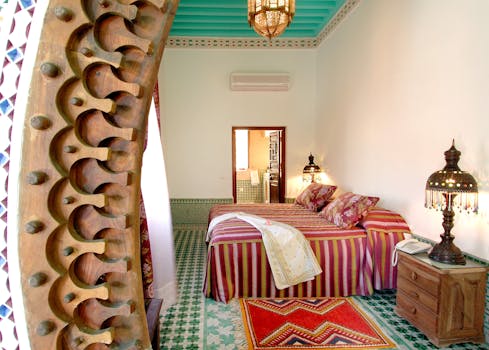
Foreigners can legally retire in Morocco comfortably and affordably, but only if they avoid the mistakes I have seen too many people make.
The number one mistake is treating Morocco like a simple holiday decision rather than a serious financial and legal move.
Read this before you transfer a single euro, sign anything, or trust anyone who approached you first.
At a Glance: Retiring in Morocco
- Foreigners can legally live and own property in Morocco with full title rights
- A tourist stay covers 90 days; a longer retirement requires a formal residence card
- You can live well in Morocco on less than €1,500 per month in most cities
- French is widely spoken in administration and healthcare, which helps enormously
- Private healthcare is good in major cities but thin in smaller towns
- All property purchases must go through a government-appointed notaire
- Funds brought into Morocco through official bank channels can be repatriated when you leave or sell
- The biggest risks are informal agents, unregistered properties, and rushed decisions
Why So Many Europeans Are Retiring in Morocco Right Now

I have been helping foreigners navigate Moroccan property and retirement for years. I have seen the full picture: the people who built genuinely beautiful lives here, and the ones who lost money, got frustrated, and left.
The honest answer is that Morocco works brilliantly for retirees who prepare properly.
It fails badly for those who romanticize it.
The draw is real. Morocco sits just a short flight from:
- France,
- Spain
- Italy
- Belgium
- Portugal
- & the UK.
Regular direct routes from
- Paris
- Toulouse
- Lyon
- Brussels
- Rome
- Warsaw
- and Madrid
It means a visit to family does not cost a fortune or require a full day of travel.
That proximity matters more than most people realize at the planning stage. When you are older, and your family is in Europe, being two hours away is not the same as being twelve hours away.
The climate is genuinely exceptional.
The Atlantic coast, Agadir, Essaouira, and Casablanca give you mild winters, warm summers without brutal heat, and more than 300 days of sunshine in some areas. Inland cities like Marrakech are hotter in summer but stunning in spring and autumn.
The north, around Tangier and Chefchaouen, is greener and cooler.
French is everywhere that matters for a retiree. Hospitals, banks, government offices, better restaurants, and professional services all operate in French. You will not feel lost the way you might in a non-Francophone country.
And the cost of living is significantly lower than in Western Europe.
A retired couple can live genuinely well in a good apartment, with fresh food daily, domestic help, private health insurance, regular dining out, and leisure activities for between €1,200 and €2,000 per month, depending on the city.
That same lifestyle in France would cost three times more.
What Does It Actually Cost to Retire in Morocco?
Let me give you real numbers, not estimates pulled from a brochure.
Housing

This is your highest monthly cost.
In Agadir, a well-located two-bedroom apartment in a modern building with elevator and parking rents for between 5,000 and 9,000 MAD per month.
My wife and I rented a beautiful studio in the heart of Agadir, literally a 10-minute drive from Marina Agadir (the beach), for 750 USD a month, covering all utilities, even wifi!
I was born in Italy and lived in several cities in Europe, like Paris, Rome & Milan, where that price I was paying in Agadir would barely get you a room.
In Marrakech, a similar apartment in Gueliz or Hivernage costs between 7,000 and 14,000 MAD. Medina riads are more variable and come with more complications (more on that below).
In Rabat and Casablanca, prices are comparable to Marrakech or slightly higher in premium areas.
Essaouira, Mohammedia, and El Jadida are notably cheaper, often 30 to 40% below Marrakech prices, and offer a calmer pace of life.
If you are buying rather than renting, a good two-bedroom apartment in Agadir can be purchased for between 800,000 and 1,500,000 MAD (roughly €73,000 to €136,000). Marrakech commands higher prices in desirable neighborhoods, often 1,200,000 to 2,500,000 MAD for comparable quality.
But if you know a local, you will pay way less.
If you can contact me on WhatsApp, I can help you find a rental or a property for sale at a price the typical foreigner will never find.
Food & Daily Life
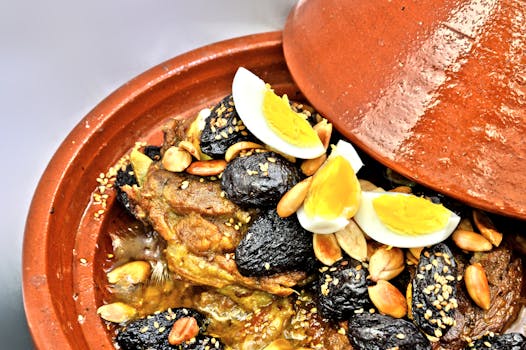
This is where Morocco really saves you money compared to Europe.
Local markets (souks) sell fresh vegetables, fruit, fish, and meat at prices that feel almost unreal if you are used to French supermarket bills.
A full basket of produce for the week can cost 150 to 300 MAD. Eating out at a good local restaurant, proper Moroccan food, not tourist-facing, costs 80 to 150 MAD per person.
My wife and I shop at a local souk that opens every Saturday. We buy lots of vegetables that will last 2 weeks, plus extra kilos of potatoes and onions (since they don’t rot as fast) that last up to 3 weeks for 30 Euro.
Plus, we buy milk, pasta, rice, and other stuff at a supermarket called Atakadao, which is 5 times cheaper than Marjane or Carrefour.
Even mid-range restaurants that Europeans would feel comfortable in rarely exceed 300 MAD per person, including wine.
Imported European goods in supermarkets like Carrefour or Marjane are more expensive. If you insist on French cheese, specific wines, or European brand products, your food bill climbs. Adapt to local food and your costs drop dramatically.
Domestic help is affordable and standard among expat retirees. A reliable housekeeper typically costs between 1,500 and 3,000 MAD per month for daily or near-daily help. Gardeners, drivers, and handymen are similarly priced and easy to find through recommendations.
Healthcare

This is the area where I urge the most careful planning.
Private healthcare in the major cities is genuinely good. Casablanca has clinics and specialists at European standard.
Rabat, Marrakech, and Agadir all have reputable private hospitals. A GP consultation costs roughly 200 to 400 MAD. Specialist consultations run between 400 and 800 MAD. These are a fraction of European private rates.
Public healthcare is a different story. It is underfunded, often overcrowded, and not where you want to be for anything serious. As a foreign retiree, budget for private care from day one.
International health insurance is essential. Expect to pay between €1,500 and €3,500 per year depending on your age, coverage level, and insurer. Some retirees combine international insurance with a local Moroccan private plan. The important thing is not to arrive without coverage and assume you will sort it out later.
In smaller towns and rural areas, specialist access is limited. You may need to travel to the nearest large city for anything beyond basic care. Factor this into your city choice if you have ongoing health conditions.
Transport

In dense city areas, taxis are cheap and plentiful. Petit taxis (small city taxis) for short trips cost 15 to 40 MAD. Ride-sharing apps are available in larger cities.
If you live in a suburb or want freedom to explore, a car makes life significantly easier. Fuel costs are lower than in France. Parking is generally easier and cheaper. Buying a car in Morocco or importing one has specific procedures — get advice before assuming you can simply drive in on a European plate indefinitely.
A Realistic Monthly Budget for a Couple Retiring in Morocco
| Expense | Budget Range (MAD/month) |
|---|---|
| Rent (2-bedroom apartment) | 6,000 to 12,000 |
| Food and groceries | 3,000 to 5,000 |
| Dining out (several times weekly) | 2,000 to 4,000 |
| Domestic help | 1,500 to 3,000 |
| Transport | 1,000 to 2,500 |
| Utilities | 600 to 1,200 |
| Health insurance | 1,500 to 3,000 |
| Leisure and activities | 1,500 to 3,000 |
| Total (approximate) | 17,100 to 33,700 MAD |
At current rates, that is roughly €1,550 to €3,060 per month for two people. A couple living modestly but comfortably can manage at the lower end. Those wanting a more active, social lifestyle sit in the middle. Only those renting premium properties and living very lavishly approach the top.
The Residency Process: What Nobody Explains Clearly
A tourist entry to Morocco gives you 90 days. For a longer stay, you need a residence card (carte de séjour).
This is not complicated but it requires patience and preparation.
You apply at the local wilaya (regional government office) or police headquarters depending on your area. Documents typically required include a valid passport, proof of address in Morocco (lease or property deed), proof of regular income (pension statements, bank statements), health insurance proof, and a police clearance certificate from your home country.
The income requirement is not rigidly defined by a specific number, but having a clear, documented pension or retirement income that covers your costs is essential. Processing times vary. Some people complete this in weeks. Others wait several months, especially if documents need authentication or translation.
Hire a local administrative agent or lawyer to guide you through this process. The cost is modest and the reduction in frustration is enormous.
Taxation: What French and European Retirees Need to Know
France and Morocco have a bilateral tax treaty that prevents double taxation.
Under this agreement, French retirees who establish tax residency in Morocco generally have their pension taxed only in France (for government pensions) or under specific arrangements for private pensions.
The practical result for many French retirees is a reduced overall tax burden. But the details matter enormously and vary by pension type, income level, and residency status.
Do not rely on forum posts or what another expat told you at a dinner party. Pay for one hour with a bilingual tax advisor who specialises in Franco-Moroccan taxation. It will save you far more than it costs.
Belgian, Spanish, and British retirees have their own treaty arrangements with Morocco. The UK Morocco tax treaty still applies post-Brexit for this purpose. Again, get specific professional advice for your nationality.
Buying Property as a Retiring Foreigner: The Honest Picture

If you plan to stay long-term, buying eventually makes sense. But I have seen enough disasters to know that rushing into a purchase is one of the most costly mistakes you can make.
The Rules That Protect You (If You Follow Them)
Every legitimate property sale goes through a notaire. The notaire is a state-appointed official who verifies the title, checks for debts or legal claims, holds funds in escrow, and registers the transfer. They are not your personal advocate but they are a crucial safeguard.
You must transfer your purchase funds through a Moroccan bank account. This creates the official documentation (attestation de transfert) that proves your money entered Morocco as foreign currency. Without this paper trail, you may own the property legally but face serious obstacles when you try to repatriate the proceeds if you ever sell or leave.
The property must have a titre foncier, a fully registered title, to be truly safe.
Some properties, especially older ones in medinas or rural areas, still operate under a traditional system called melkia.
Melkia can be valid but carries a substantially higher risk of inheritance disputes and legal complications.
As a foreign retiree, stick to fully titled properties unless you have expert local legal guidance.
Costs to Budget When Buying
- Registration and transfer taxes: approximately 4% of purchase price
- Land registry fee: approximately 1%
- Notaire fees: 1% to 1.5%
- Licensed agent commission: 2% to 2.5%
- Independent lawyer: 5,000 to 15,000 MAD
- Total additional costs: roughly 7% to 9% above the purchase price
Do not skip the independent lawyer.
The notaire works for the state.
You need someone working specifically for you.
What I Have Seen Go Wrong: Real Situations
I do not share these to frighten you. I share them because these things actually happened to real people and could have been avoided.
A retired French teacher fell in love with a riad in the Marrakech medina. She paid a deposit directly to the agent in cash, trusting that the paperwork would follow. The agent disappeared. There was no formal preliminary contract, no notaire, no documentation. She lost €12,000 and had no legal recourse.
A Belgian couple bought an apartment in Agadir from a developer off-plan. The developer promised 7% annual rental returns if they joined the rental management pool. Nothing was in the contract about returns. When the building was complete, the management company offered 2% and then nothing the following year. The couple kept the apartment but felt deceived, and their retirement planning was disrupted.
A British man bought a villa near Essaouira. The title checked out, and the notaire was involved. What nobody caught was that part of the land was classified as agricultural zone. Two years later he wanted to add a garden room and discovered he could not legally build anything on that section. A pre-purchase survey by an independent architect would have flagged this.
A retired Dutch woman hired a property manager recommended by her estate agent. The property manager was the agent’s brother-in-law. Over two years, maintenance fees were inflated, repair invoices were fabricated, and rental income was partly diverted. She only discovered this when she visited unexpectedly. Always choose property managers independently and check invoices yourself.
👉 Finding the right place to rent or buy in Morocco as a foreigner is harder than it looks from the outside.
I live here. I know the neighborhoods, the landlords, the prices locals actually pay, and the buildings worth avoiding.
If you want honest help finding a rental or a property for sale, send me a message on WhatsApp and tell me your budget and your preferred city.
I will come back to you with real options, not what agents want to push.
The Best Cities for Retiring in Morocco: An Honest Comparison
Current cost of living in some of the biggest cities in Morocco.
| City | Best For | Watch Out For |
|---|---|---|
| Agadir | Climate, expat community, beach lifestyle | Less cultural depth than other cities |
| Marrakech | Culture, restaurants, social scene | Higher costs, hot summers, tourist saturation |
| Rabat | Modern services, green spaces, calmer pace | Higher housing cost than Agadir |
| Essaouira | Authenticity, calm, lower costs | Limited healthcare, fewer flight connections |
| Casablanca | Premium healthcare, business services | Most expensive, less charm for retirees |
| Tangier | Proximity to Europe, cooler climate | Growing but less established expat community |
What Most Websites Won’t Tell You
The expat bubble is real and can cost you money. Many foreigners retire in Morocco and live entirely within an expat circle, shopping at European-style supermarkets, eating at restaurants marketed to foreigners, and hiring the first English-speaking contractor they find. This is fine socially, but it eliminates most of the cost advantage Morocco offers. The real savings come from integrating locally, at least partially.
Building a trusted local network takes time. The retirees who thrive here are almost always the ones who made genuine local friendships, a trusted doctor, a reliable mechanic, and a good pharmacist who knows them. This takes a year or two and cannot be rushed. Plan for an adaptation period.
Morocco’s administration moves slowly and inconsistently. The same process at the same office can take two weeks for one person and three months for another. This is not corruption in most cases. It is bureaucratic variability. Build patience into every plan that involves official paperwork.
The medina lifestyle is genuinely different from what you imagine. Narrow streets, no vehicle access, noisy mornings, complex neighbor relations, and humidity in older structures. Some people love it for life. Others last eighteen months. Rent in a medina before you ever consider buying there.
Healthcare planning needs to be done before you arrive, not after. The retirees I worry about most are the ones who arrive planning to sort out health insurance once they are settled. Come with coverage in place, a list of recommended private doctors in your area, and a clear plan for what to do in an emergency.
FAQ: Retiring in Morocco
Can I retire in Morocco as a non-French European? Yes. British, Belgian, Dutch, German, and other European nationals all retire in Morocco legally. The administrative process is the same regardless of nationality. Tax treaty arrangements vary by country so get specific advice for yours.
How safe is Morocco for foreign retirees? Residential and tourist areas in major cities are generally safe with normal urban precautions. Morocco is significantly more stable politically than many people in Europe assume. Solo women retirees do live comfortably here, particularly in larger cities, though cultural adjustment is real.
Can I bring my pension income into Morocco freely? Yes, through official banking channels. Moroccan banks work smoothly with European banks for regular pension transfers. Keep all documentation of these transfers — it matters for your tax position and for any future repatriation of funds.
What happens to my property if I die in Morocco? Moroccan inheritance law is different from European law and can be complex for foreign nationals. As a non-Muslim foreigner, your home country’s inheritance laws generally apply to your estate, but this requires proper legal planning. Write a clear will, ideally registered in both your home country and Morocco, and take legal advice on this before you need it.
Is it possible to retire in Morocco without speaking French? Technically yes, particularly in larger cities with established expat communities. Practically, your quality of life and ability to handle daily situations independently will be significantly lower without at least basic French. Even basic French — supermarket level, makes an enormous difference.
How long does it take to feel settled? Honest answer: allow 12 to 18 months before you judge whether Morocco is right for you. The first three to six months are exciting. Months six to twelve are when the real adjustment happens. Most people who leave do so in that window. Most people who stay past 18 months stay for years.
Final Thought
Morocco is one of the genuinely great retirement destinations available to Europeans right now. The value is real. The lifestyle is real. The warmth of the culture is real.
But it rewards people who come in with clear eyes, realistic expectations, good professional support, and enough patience to let the country reveal itself properly.
The people I have seen build wonderful lives here came prepared. They hired their own lawyer. They opened a bank account before transferring money. They rented for a year before buying. They built local relationships before they needed them.
Do those things and Morocco will likely exceed your expectations. Skip them and you are taking unnecessary risks with your retirement savings and your peace of mind.
👉 Before you commit to anything, a deposit, a lease, a residency application, talk to someone who actually lives here.
I moved from Italy to Morocco, and I have never looked back.
I help foreigners find rentals and properties at prices that reflect what the market actually is, not what it looks like to someone who just landed.
Message me on WhatsApp with your budget, your preferred city, and what you are looking for. I will give you honest, no-pressure advice and real options within 24 hours.